What Happens During an ECG Stress Test?
On this page (7 sections)
An ECG stress test, also known as a cardiac stress test, is a diagnostic procedure. It checks how well your heart pumps blood when you are physically active. Doctors use it to find out if you have or are at risk for coronary artery disease. It’s a safe way to see your heart’s performance under pressure.
During the test, you will walk on a treadmill or pedal a stationary bike. Your heart rate, blood pressure, and breathing will be monitored closely. This helps doctors detect any problems that may not show up when you’re at rest. It gives a clear picture of your heart’s health during exertion.
- The test monitors your heart’s electrical activity.
- You’ll exercise to increase your heart rate.
- Doctors watch for any signs of heart problems.
- It helps diagnose conditions like coronary artery disease.
Let’s walk through exactly what you can expect before, during, and after your ECG stress test.
What to Expect During Your Heart Stress Test
So, you’ve got an ECG stress test coming up. Don’t worry, it’s a straightforward procedure. We’re here to walk you through exactly what happens. Think of it as a supervised workout for your heart. It helps doctors get a clearer picture of how well your heart handles physical activity. Many people find it a bit nerve-wracking, but knowing what to expect can really ease your mind.
Preparing for Your Stress Test
Getting ready for your stress test is pretty simple. A little preparation goes a long way to ensure the test runs smoothly. Your doctor will give you specific instructions, but here are some general guidelines we found from leading health institutions.
What to Wear and Bring
Comfort is key for this test. You’ll want to wear loose-fitting clothing. Think comfortable pants or shorts and a shirt that’s easy to move in. You’ll also need comfortable, supportive shoes, like sneakers. These are essential if you’ll be using a treadmill. Some people like to bring a bottle of water, but check with the testing facility first. You might also want to bring reading material for any waiting periods.
Food and Drink Guidelines
Generally, you’ll be advised not to eat, drink, or smoke for a few hours before your test. This usually means no food or beverages for about two to three hours beforehand. Water is often allowed, but it’s best to confirm this with your healthcare provider. They might also ask you to avoid caffeine on the day of the test. This includes coffee, tea, and some sodas. Caffeine can affect your heart rate, and they want to see your heart’s natural response.
Medications to Consider
This is a really important step. You must talk to your doctor about any medications you are currently taking. Some medications, especially those for heart conditions like beta-blockers, might need to be temporarily stopped before the test. This is because they can affect your heart rate and blood pressure. Your doctor will advise you on which medications to continue and which to pause. Always follow their instructions precisely. Never stop taking prescribed medication without consulting your doctor.
The Test Itself: Step-by-Step
Once you arrive at the testing facility, the actual procedure is quite structured. The goal is to monitor your heart’s response as your activity level increases. It’s a very controlled environment designed for safety.
Getting Hooked Up
The first thing the technician will do is prepare your skin for electrode placement. They’ll clean small areas on your chest, arms, and legs. Then, they’ll attach small, sticky electrodes to these cleaned areas. These electrodes are connected by wires to an electrocardiograph (ECG) machine. This machine records the electrical signals from your heart. They might also place a blood pressure cuff on your arm. This cuff will periodically inflate to measure your blood pressure throughout the test.
Starting the Exercise
You’ll begin by walking on a treadmill or pedaling a stationary bike. The test usually starts at a very low level of activity. You’ll be asked to walk slowly or pedal gently. The goal is to get your heart rate up gradually. The technician will increase the speed and incline of the treadmill, or the resistance of the bike, at regular intervals. They’ll be watching the ECG monitor closely. They’ll also be checking your heart rate, blood pressure, and how you’re feeling.
During the Exercise
As the exercise intensity increases, your heart rate will naturally go up. The technician will continue to monitor your ECG, blood pressure, and oxygen levels. They’ll also ask you about any symptoms you might experience. This includes chest discomfort, shortness of breath, dizziness, or fatigue. Don’t hesitate to speak up if you feel unwell. Your comfort and safety are the top priorities. The test typically lasts between 10 to 20 minutes, depending on your fitness level and how your heart responds.
When the Test Ends
The test will end in one of a few ways. It might stop when you reach a target heart rate set by your doctor. It could also end if you report significant symptoms. Sometimes, the test stops if the ECG shows any abnormal changes. Or, the technician might stop it when the predetermined time is up. You will then be asked to stop exercising. However, you’ll usually continue to sit or lie down for a few minutes. This allows your heart rate and blood pressure to return to normal while still being monitored.
What the Doctors Are Looking For
The entire process is designed to reveal potential issues that might not be apparent when you’re at rest. It’s like stress-testing a bridge to see how it holds up under heavy load.
Heart Rhythm and Electrical Activity
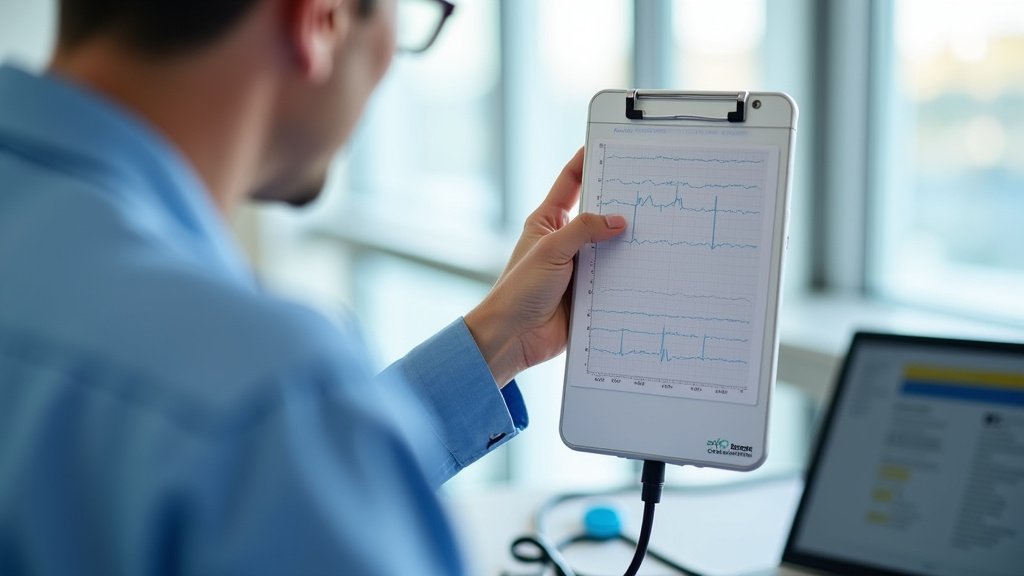
The ECG monitors the **electrical signals** that control your heartbeat. Doctors look for any irregular rhythms or changes in the electrical patterns. These changes can indicate that certain parts of your heart aren’t getting enough blood flow. This is a key indicator of potential coronary artery disease.
Blood Pressure Response
Your blood pressure should ideally rise slightly during exercise. A significant drop or a failure to rise properly can be a sign that your heart isn’t pumping blood effectively. This is another important piece of data for the doctors. They are looking for a normal, healthy response to exertion.
Symptoms During Exertion
The symptoms you report are just as important as the measurements. Chest pain, extreme shortness of breath, or dizziness are all signals that something might be wrong. Doctors pay close attention to what you say. They correlate your reported feelings with the objective data from the ECG and blood pressure readings.
Exercise Capacity and Recovery
Your ability to exercise for a certain duration and how quickly your heart rate and blood pressure return to normal afterward also provide valuable information. A quick recovery is generally a good sign. This shows your cardiovascular system is functioning well. Your doctor uses all these pieces of information to form a complete picture of your heart’s health.
After the Test: What to Do Next
Once the monitoring is complete, you’re almost done. There are just a few more steps.
Post-Test Monitoring and Departure
You’ll typically rest for about 15-20 minutes after the exercise stops. The technician will continue to monitor your vital signs. They’ll ensure your heart rate and blood pressure are returning to baseline. Once they’re satisfied, they’ll remove the electrodes and blood pressure cuff. You’ll be able to get dressed and go about your day. You might feel a little tired, but most people can resume their normal activities. It’s a good idea to have someone drive you home if you feel fatigued or if instructed by your doctor.
Interpreting the Results
The ECG stress test results are then reviewed by your cardiologist. They will interpret the data, looking at your ECG readings, blood pressure response, and any symptoms you experienced. They’ll compare these findings with your medical history and other tests. You’ll usually schedule a follow-up appointment to discuss the results. Your doctor will explain what the findings mean for your heart health. They’ll also discuss any necessary next steps or treatment plans if needed.
Checklist: Preparing for Your Stress Test
- Confirm fasting instructions (food, drink, caffeine).
- Arrange for comfortable clothing and shoes.
- List all current medications for your doctor.
- Ask about any specific pre-test restrictions.
- Plan for transportation home if needed.
- Prepare any questions you have for your doctor.
Understanding these steps can make the process much less daunting. It’s a routine test that provides crucial information about your heart’s well-being. Knowing what to expect helps you feel more in control and prepared.
Conclusion
You’ve learned how an ECG stress test helps your doctor understand your heart’s performance under physical activity. From preparation to what happens during and after, it’s a straightforward process. The test monitors your heart’s electrical activity, blood pressure, and any symptoms you might feel. This provides vital information about your heart health, especially regarding coronary artery disease. Now that you’re informed, the next step is to discuss this test with your doctor if they’ve recommended it. They can answer your specific questions and guide you through the process.
Frequently Asked Questions
Will an ECG stress test hurt?
No, an ECG stress test is designed to be safe and should not cause pain. You might feel some discomfort from the sticky electrodes on your skin or the blood pressure cuff tightening. The exercise itself might make you feel tired or out of breath, but you can stop if you feel any pain.
What if I’m not very fit and can’t exercise much?
The test starts at a very low intensity. The technician will adjust the pace to match your fitness level. Your doctor will consider your exercise capacity when interpreting the results. The goal is to see how your heart responds, not to push you to your absolute limit.
Can I take my regular medications before the test?
It’s very important to talk to your doctor about your medications. Some drugs, particularly heart medications, might need to be temporarily stopped or adjusted before the test. Always follow your doctor’s specific instructions carefully regarding your medications.
How long does the entire ECG stress test appointment take?
The actual exercise portion of the test usually lasts between 10 to 20 minutes. However, including preparation, electrode placement, and post-test monitoring, you should plan for your appointment to last about an hour.
What happens if the test shows abnormal results?
If your stress test shows abnormal results, your doctor will discuss them with you. They may recommend further diagnostic tests or a treatment plan. An abnormal result doesn’t always mean something is severely wrong, but it guides your doctor in managing your heart health.


