Is It Safe to Use an ECG Monitor Every Day?
On this page (5 sections)
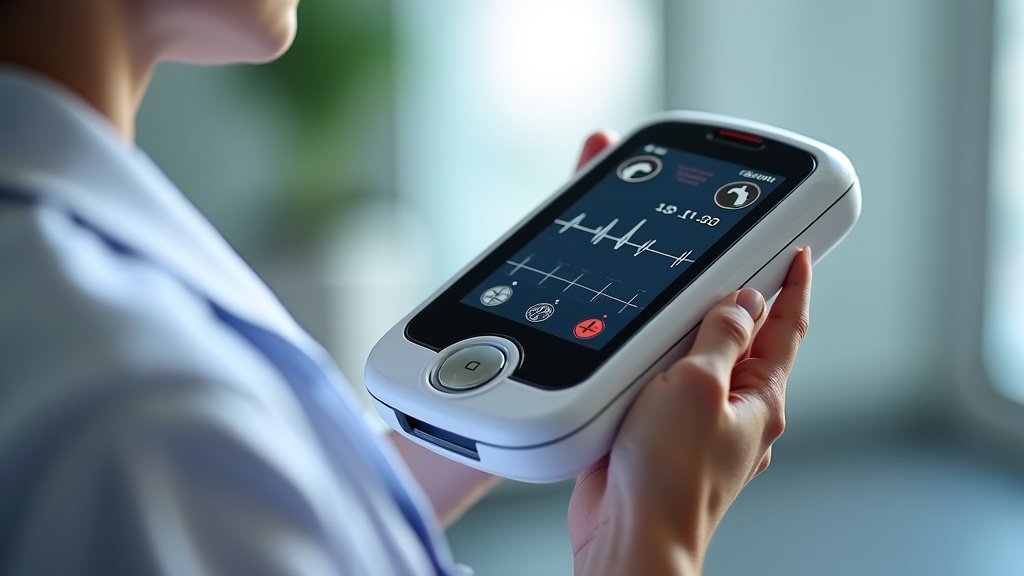
Yes, it is generally safe to use an ECG monitor every day, provided you are using a consumer-grade device and not experiencing any unusual symptoms, as covered in this guide to daily home ECG use. These personal ECG devices are designed for regular monitoring. They help you keep track of your heart’s rhythm. Many people use them daily without issues.
Using an ECG monitor daily can offer peace of mind for individuals concerned about their heart health. It allows for early detection of potential irregularities. You can then share this data with your doctor. This helps in making informed health decisions. It’s like having a little heart helper in your pocket!
- Daily ECG use is generally safe for most people.
- Personal ECG devices are made for regular tracking.
- They can help detect heart rhythm changes early.
- Always discuss results with your doctor.
Let’s look at why daily ECG monitoring is usually okay and what you should keep in mind. We’ll cover the key points to ensure you feel confident using your device.
Understanding Daily ECG Monitor Use
So, you’re wondering if it’s okay to use your personal ECG monitor every single day. The short answer is yes, for most people. These devices are designed for regular monitoring. They help you keep a pulse on your heart’s rhythm over time. Think of it like checking your blood pressure regularly if your doctor recommended it. Daily use can offer peace of mind and valuable data.
Who Benefits Most from Daily Monitoring?
If you have a known heart condition, like atrial fibrillation (AFib), your doctor might suggest daily checks. This allows you to track any changes or patterns. Even if you don’t have a diagnosed condition, but experience occasional palpitations or skipped beats, daily monitoring can be useful. It helps build a picture of your heart’s activity over time. This data can be very helpful when you chat with your doctor.
What Makes Daily Use Safe?
Personal ECG monitors, often called KardiaMobile or similar devices, are different from the ones used in hospitals. They are designed for consumer use. They use your skin to pick up the electrical signals of your heart. They are generally safe because they are non-invasive. You aren’t inserting anything or sending strong electrical currents through your body. The signals are very low-level. It’s essentially listening to your heart’s electrical conversation.
Device Design and Safety Standards
Manufacturers aim to meet safety standards. These devices undergo testing to ensure they don’t cause harm. They are built to collect data, not to interfere with your heart’s natural rhythm. Regulatory bodies often review these devices. This helps ensure they meet certain safety and efficacy benchmarks. You can usually find information about their approvals on the manufacturer’s website. This adds a layer of trust.
Potential Risks and When to Be Cautious
While generally safe, there are a few things to keep in mind. If you experience sudden chest pain, shortness of breath, or dizziness while using the device, stop immediately. These are serious symptoms. Your personal ECG monitor is not a substitute for emergency medical care. Also, ensure you’re using the device correctly. Poor contact or interference can lead to inaccurate readings. Always refer to your device’s manual for proper use.
Interpreting Your Daily ECG Readings
This is where things get interesting! Your ECG monitor will likely tell you if it detects a normal sinus rhythm or if it finds an irregular heartbeat. Most consumer devices are good at identifying common arrhythmias like AFib. However, it’s vital to remember that these devices are not diagnostic tools on their own. They are screening tools. A reading from your monitor should always be discussed with a healthcare professional.
Normal vs. Irregular Heart Rhythms
A normal sinus rhythm means your heart is beating regularly and at a normal pace. Your device will usually say something like “Normal” or “Sinus Rhythm.” An irregular rhythm means your heart’s electrical signals are out of order. This can manifest as a fast, slow, or erratic heartbeat. For example, AFib is a common irregular rhythm where the upper chambers of the heart quiver.
What an “Unclassified” Reading Means
Sometimes, your device might give you an “Unclassified” or “Inconclusive” reading. This doesn’t necessarily mean something is wrong. It just means the device couldn’t get a clear enough signal to make a determination. This could be due to a variety of factors, such as movement, poor electrode contact, or an unusual type of arrhythmia that the device isn’t programmed to identify. Don’t panic if this happens. Try taking another reading.
Sharing Your Data with Your Doctor
This is the most important part of daily monitoring! Your ECG monitor can record your readings, often as PDF files. You can then email these to your doctor or show them at your appointment. This longitudinal data is incredibly useful. It can show your doctor patterns you might not even notice. It helps them understand your heart’s behavior over time, not just during a short office visit. This shared information can lead to more accurate diagnoses and personalized treatment plans.
How to Prepare for Your Doctor’s Visit
When you go to see your doctor, bring all the readings you’ve collected. Note down any symptoms you experienced when you took the readings. Did you feel dizzy? Were you exercising? Were you stressed? This context is very helpful. For instance, a single irregular reading might not be a concern, but a pattern of irregular readings over several days is something to discuss further (Cleveland Clinic).
Maximizing the Benefit of Your ECG Monitor
To get the most out of your daily ECG monitoring, consistency is key; these tips cover safe daily EKG use. Try to take readings at the same time each day, if possible. This helps create a baseline for what’s normal for you. Also, pay attention to your body. If you feel unwell or notice new symptoms, take a reading and note it down. Your device is a tool, and your awareness is just as important.
Tips for Accurate Readings
Here are a few quick tips to help ensure your readings are as accurate as possible:
- Sit down and relax for a minute before taking a reading.
- Keep your phone and the ECG device steady.
- Ensure your skin is clean and dry where the electrodes will touch.
- Avoid taking readings immediately after a heavy meal or strenuous exercise.
- Don’t use lotion or oils on your hands or legs before taking a reading.
When Daily Monitoring Isn’t Enough
It’s essential to understand the limitations of personal ECG devices. They are not a substitute for professional medical care. If you experience symptoms like chest pain, severe shortness of breath, fainting, or palpitations that feel alarming, seek immediate medical attention. Call 911 or go to the nearest emergency room. These devices are for tracking rhythm, not for diagnosing acute medical emergencies.
Here’s a quick checklist to help you remember the key points about daily ECG use:
- Use your personal ECG monitor daily if it helps you track your heart health.
- Understand that it’s a screening tool, not a diagnostic device.
- Always share your readings and any symptoms with your doctor.
- Ensure proper usage for the most accurate results.
- Know when to seek immediate medical help for serious symptoms.
- Don’t hesitate to ask your doctor about any concerns regarding your readings.
Conclusion
You’ve learned that using your personal ECG monitor daily is generally safe and can be a smart way to monitor your heart health. It empowers you with data to share with your doctor, leading to better informed decisions. Remember, these devices are fantastic screening tools, but they aren’t a substitute for professional medical advice or emergency care. Keep using your monitor consistently, pay attention to your body, and always discuss your readings with your healthcare provider. Your proactive approach to heart health is commendable!
Frequently Asked Questions
Can my personal ECG monitor replace a doctor’s visit?
No, your personal ECG monitor is a screening tool, not a diagnostic device. It provides helpful data, but a doctor’s expertise is needed to interpret results and diagnose conditions. Always discuss your readings and any symptoms with your physician.
What if my ECG monitor gives me an “Unclassified” reading frequently?
An “Unclassified” reading means the device couldn’t get a clear signal. This could be due to movement, poor skin contact, or a rhythm it can’t identify. Try taking another reading, ensuring you follow the proper usage tips. If it persists, mention it to your doctor.
Can I use an ECG monitor if I have a pacemaker?
It’s best to check with your doctor or the device manufacturer before using a personal ECG monitor if you have a pacemaker. Some devices may be affected by pacemakers, or the readings might not be accurate. Your doctor can advise on safe options for you.
How often should I take ECG readings if I’m generally healthy?
If you’re generally healthy and don’t have specific heart concerns, daily readings might not be necessary unless recommended by your doctor. You could consider taking readings when you experience symptoms like palpitations, or perhaps a few times a week to build a baseline. Listen to your body and your doctor’s advice.
Are there any side effects to using an ECG monitor daily?
Personal ECG monitors are non-invasive and do not send electrical currents through your body, so there are generally no direct physical side effects. The main “risk” is potential anxiety from over-interpreting readings or relying on them too much. Always use them as intended and consult your doctor.


