Is a Home ECG Monitor Worth It?
On this page (7 sections)
Yes, a home ECG monitor can be worth it for many. They offer a convenient way to keep tabs on your heart rhythm. This technology gives you peace of mind between doctor visits.
You might wonder if these devices are right for you. They help spot irregular heartbeats early. For some, they offer important health insights and can even save lives. Thinking about your heart health is always a smart move.
TL;DR:
- Home ECG monitors are generally a good idea for early detection.
- They offer convenience and peace of mind.
- Look for easy-to-use devices with clear results.
- Always share results with your doctor.
- They are not a replacement for professional medical care.
Let’s dive into the specifics. We’ll help you decide if a home ECG monitor is the right choice for your needs.
Is a Home ECG Monitor a Smart Investment for Your Heart Health?
You’re thinking about your heart, and that’s a wonderful first step! A home ECG monitor can be a game-changer for personal health management. It lets you take an active role in monitoring your heart rhythm.
Consider it an extra set of eyes on your heart. It’s not meant to replace your doctor. Instead, it offers convenient data for your healthcare team.
Understanding What an ECG Does
An ECG, or electrocardiogram, records your heart’s electrical signals. It shows how fast your heart beats and if its rhythm is normal. Doctors use ECGs all the time to check heart health.
A home ECG typically captures a single-lead recording. This is different from the multi-lead ECGs done in a doctor’s office. But, even a single lead can spot common irregularities (Cleveland Clinic).
How Does a Home ECG Monitor Work?
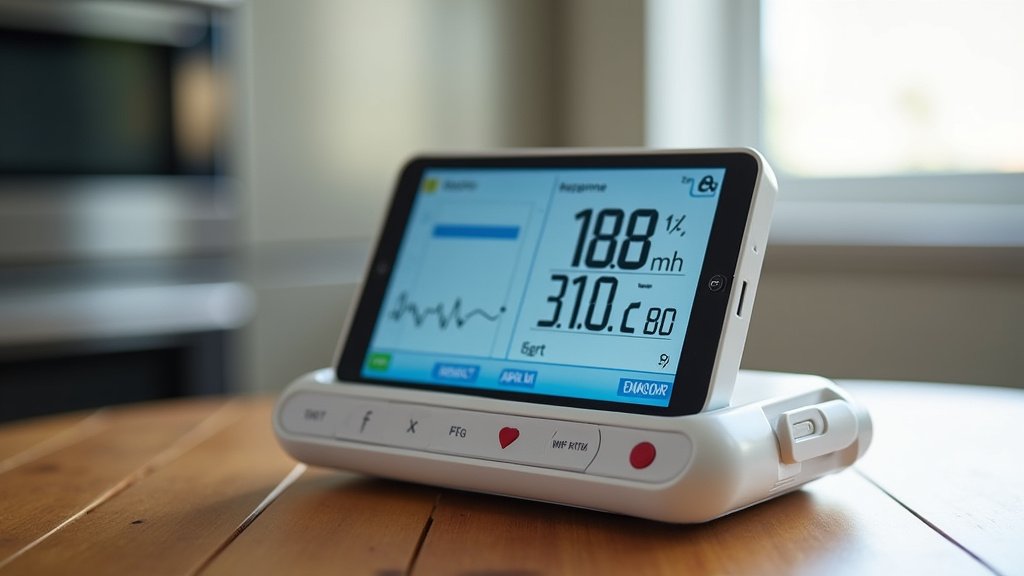
Most home ECG devices are small and easy to use. You usually place your fingers or chest on built-in sensors. The device then records your heart’s electrical activity. This data is often sent to a smartphone app. The app translates the signals into an easy-to-read graph or interpretation.
The whole process only takes about 30 seconds to a minute. It’s truly a take-anywhere health tool.
Potential Benefits: Why People Choose Home ECGs
People look into home ECG monitors for several important reasons. The main one is often about catching issues early. Sometimes heart problems don’t show clear symptoms right away. A home monitor can pick up on subtle changes.
Another big benefit is peace of mind. Knowing you can check your heart rhythm anytime can reduce anxiety for those with existing heart conditions.
Early Detection of Irregular Heart Rhythms
Some heart conditions, like atrial fibrillation (AFib), can be intermittent. They don’t always show up during a doctor’s visit. A home ECG allows you to record symptoms when they happen. This can greatly help your doctor with a diagnosis (American Heart Association).
Imagine feeling a flutter in your chest. Instead of wondering, you can immediately take an ECG reading. This provides concrete data for your next medical appointment.
Convenience and Accessibility
Doctor visits can be a hassle. Scheduling, travel, and waiting rooms all take time. A home ECG monitor means you can check your heart from anywhere – your couch, your office, or even on vacation.
This accessibility is especially helpful for people who live far from medical facilities. Or for those with busy schedules. You’re putting health monitoring right in your pocket.
Empowering You in Your Health Journey
Using a home ECG is an active step in managing your health. It encourages you to learn about your body. You become more aware of what a normal heart rhythm feels like. This makes you a more informed partner in your healthcare.
You can track trends over time. Seeing your own data might even motivate you to make healthier lifestyle choices.
Who Might Benefit Most from a Home ECG Monitor?
Not everyone needs a home ECG monitor. But certain groups of people can find them incredibly useful. Consider your own health situation and history. This will help you decide if it’s a smart tool for your particular needs.
Think of it like buying health insurance. You hope you don’t need it daily, but it’s good to have if something comes up.
Individuals with Known Heart Conditions
If you have a history of AFib, palpitations, or other arrhythmias, a home ECG is often recommended. It helps you monitor your condition between scheduled check-ups. You can quickly detect changes in your heart rhythm.
Your doctor might even ask you to use one. It provides them with a better picture of your heart’s daily activity.
People Experiencing Occasional Symptoms
Do you sometimes feel your heart racing, skipping a beat, or fluttering? These intermittent symptoms can be hard to capture in a clinic. A home ECG device provides an on-demand recording. You can capture the event as it happens.
This provides valuable information that could lead to a quicker diagnosis. Don’t just dismiss those unusual sensations.
Those with Risk Factors for Heart Disease
If you have risk factors like high blood pressure, diabetes, or a family history of heart disease, monitoring can be wise. It’s a way to stay vigilant. While not a diagnostic tool for all heart issues, it can alert you to rhythm disturbances.
It’s about being proactive. Taking charge of your health before problems become severe.
Considerations and Limitations of Home Devices
While home ECG monitors are beneficial, it’s important to have realistic expectations. They are not perfect. They have limitations that you should be aware of. They are screening tools, not diagnostic tools.
Always remember that your doctor is your main partner in heart health. Think of the monitor as a sidekick, not the superhero.
Not a Replacement for Professional Medical Care
This is crucial. A home ECG monitor does not replace regular doctor visits. It cannot perfectly diagnose complex heart conditions. Its readings need to be interpreted by a trained medical professional.
If the device alerts you to an abnormality, you still need to share that information with your doctor. They will then decide on the next steps, like further tests or treatments.
Accuracy and Interpretation Challenges
Consumer-grade ECG devices are generally accurate for detecting common arrhythmias like AFib (JAMA Cardiology). However, they can sometimes produce unclear readings. Or they might miss less common or more complex issues.
The interpretation provided by the app is often a preliminary analysis. It’s not a definitive medical diagnosis. You might get a “possible AFib” notification, but only a doctor can confirm it.
Factors to Consider When Choosing a Device
When you’re looking for a home ECG monitor, several features matter. Ease of use is key – can you operate it easily? Look at how the results are displayed. Is it simple to understand?
Consider battery life and how the device connects to your phone or computer. Make sure it’s compatible with your existing technology.
Here’s a quick checklist for your ideal home ECG:
- User-Friendly: Is it simple to operate for you?
- Clear Display: Can you easily see the results and graphs?
- Data Sharing: Does it connect easily with your doctor’s office or health apps?
- Reliable Brand: Does the manufacturer have a good reputation?
- FDA Cleared: Is it approved for sale in the US? (Many experts recommend this.)
- Customer Support: Is help available if you have questions?
Making the Decision: Is it Right for You?
So, after all this, are you still wondering if a home ECG monitor is worth it for you? The answer often comes down to your personal health profile and your comfort level with technology.
For many, the benefits of early detection and peace of mind outweigh the cost. It’s about investing in your wellness.
Consulting Your Doctor
Before making any purchase, have a chat with your doctor. They know your health history best. They can advise you on whether a home ECG monitor would be a valuable tool for your specific situation.
Your doctor can also recommend specific models or provide guidance on using the device safely. They might even help you integrate the data into your medical records.
| Feature | Home ECG Monitor | In-Clinic ECG (Standard) |
|---|---|---|
| Convenience | High (anytime, anywhere) | Low (scheduled appointment) |
| Leads Recorded | Usually 1 (single-lead) | Multiple (12-lead standard) |
| Detection Span | Intermittent, event-driven | Snapshot in time |
| Cost | One-time purchase ($80-$200+) | Covered by insurance, co-pays |
| Interpretation | App-based, physician review | Physician diagnosis |
| Purpose | Screening, monitoring | Diagnosis, detailed assessment |
Conclusion
Deciding if a home ECG monitor is for you comes down to your personal health needs and how proactive you want to be. These devices offer a wonderful way to track your heart’s rhythm conveniently and gain peace of mind. While they don’t replace doctor visits, they provide valuable data that can help your healthcare team. If you have risk factors, known conditions, or occasional symptoms, it’s a smart health investment. Speak with your doctor to confirm if adding one to your health toolkit is the right move for you.
Frequently Asked Questions
Are home ECG monitors accurate enough to trust?
For detecting common arrhythmias like atrial fibrillation (AFib), many consumer-grade home ECG monitors are quite accurate. They are FDA-cleared and designed to provide reliable readings of your heart’s electrical activity. Always remember to share these readings with your doctor for professional interpretation and diagnosis.
How often should I use a home ECG monitor?
The frequency depends on your individual health needs and your doctor’s recommendations. If you have a known condition or experience symptoms, you might use it whenever symptoms occur or as part of a regular monitoring schedule set by your physician. For general wellness, occasional checks can offer reassurance.
Can a home ECG monitor detect a heart attack?
No, a home ECG monitor is not designed to detect a heart attack. If you suspect you are having a heart attack, you should seek emergency medical attention immediately. These devices focus on heart rhythm abnormalities, not on diagnosing acute cardiac events like heart attacks.
What’s the difference between a home ECG and a smartwatch ECG?
Both home ECG devices and smartwatches with ECG features typically provide a single-lead ECG. The main difference often lies in form factor, ease of sharing data, and sometimes the algorithms used for preliminary interpretation. Dedicated home ECG monitors might offer slightly more robust readings or specific features tailored for medical data collection.
Will my insurance cover the cost of a home ECG monitor?
Generally, most health insurance plans do not directly cover the cost of consumer-grade home ECG monitors, as they are often considered over-the-counter wellness devices. However, some Health Savings Accounts (HSAs) or Flexible Spending Accounts (FSAs) may allow you to use pre-tax dollars for the purchase. Check with your insurance provider or FSA/HSA administrator for specifics.