How to Remove an ECG Patch without Pain?
On this page (9 sections)
The easiest way to remove an ECG patch painlessly is to gently loosen the edges first. Applying a bit of baby oil or olive oil can help dissolve the adhesive. Then, peel the patch off slowly and steadily, pulling in the direction of hair growth. This method helps minimize discomfort when removing ECG electrodes.
Removing these patches can sometimes feel like a wrestling match with your skin. We found that patience is key. Using a warm compress can also help soften the adhesive, making the process smoother. It’s all about being gentle and allowing the product to do some of the work for you. Many medical professionals agree that slow and steady is the way to go.
- Gently loosen the edges of the patch.
- Use baby oil or olive oil to dissolve adhesive.
- Peel slowly in the direction of hair growth.
- Warm compresses can also help soften the glue.
- Be patient and gentle with your skin.
Ready to say goodbye to that sticky ECG patch without the ouch? Let’s walk through some simple steps to make removal a breeze.
Gentle ECG Patch Removal: A Step-by-Step Guide
You’ve finished your ECG monitoring, and now it’s time to get that patch off. Nobody enjoys the feeling of sticky residue or a painful pull. We’ve gathered some effective methods to help you remove your ECG patch smoothly and with minimal discomfort. The goal is to preserve your skin’s integrity and avoid any unnecessary ouch moments.
Understanding ECG Patch Adhesives
ECG patches use medical-grade adhesives. These are designed to stick firmly to your skin for extended periods. This ensures accurate readings during your monitoring period. However, this same stickiness can make removal a bit challenging.
Why Patches Stick So Well
The adhesives are formulated to be robust. They need to withstand sweat and movement. This means they bond strongly to the outer layers of your skin and any fine hairs. We found that understanding this helps in choosing the right removal technique.
Potential Skin Irritation
Pulling too quickly can sometimes irritate your skin. This can lead to redness or a slight stinging sensation. Gentle removal is key to avoiding these issues. Many medical professionals recommend specific approaches for sensitive skin.
Preparing for Patch Removal
Before you even think about peeling, a little preparation goes a long way. This step is vital for a painless experience. Think of it as softening up a stubborn sticker.
Gather Your Supplies
Having everything ready beforehand makes the process smoother. You’ll want:
- A gentle oil (baby oil, olive oil, or mineral oil)
- Cotton balls or pads
- Warm water and a washcloth (optional)
- A dry towel
Choosing Your Adhesive Loosener
Oils are your best friend here. They help to break down the adhesive without harsh chemicals. Baby oil is often recommended because it’s very mild. Olive oil works just as well if that’s what you have on hand. We found that oil-based removers designed for medical tape are also very effective.
The Gentle Removal Process
Now for the main event! This is where patience really pays off. The slower and more deliberate you are, the better the outcome.
Step 1: Loosen the Edges
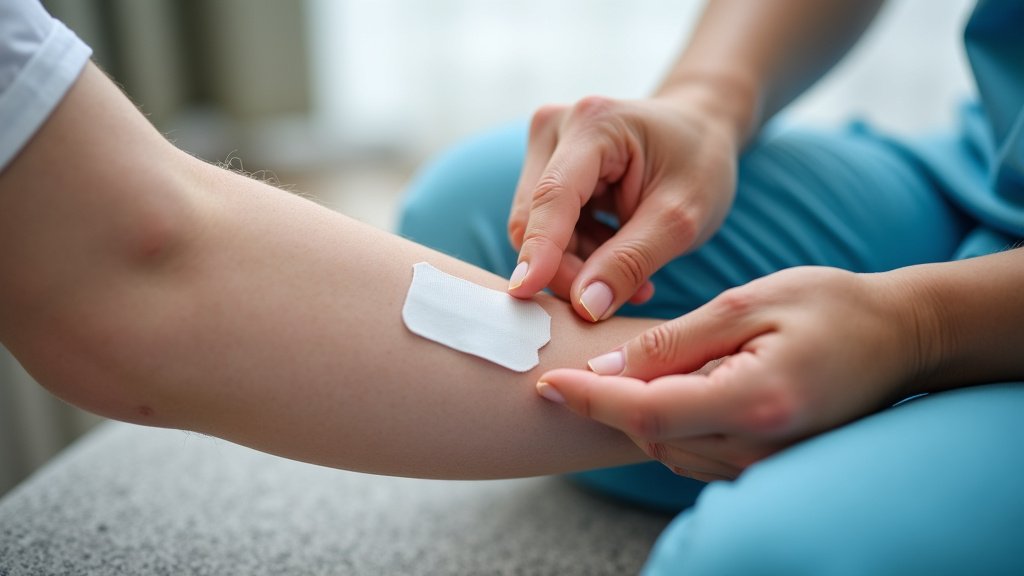
Start by gently lifting one edge of the patch. Use your fingernail or a plastic tool, like a credit card edge, to get under the patch. Don’t force it if it feels stuck. The aim is just to create a small opening.
Step 2: Apply Your Loosener
Once an edge is lifted, apply your chosen oil directly to the adhesive. Use a cotton ball or pad to saturate the area where the patch meets your skin. Let the oil sit for a few minutes. This allows it to penetrate the adhesive and start breaking it down. We found that about 5-10 minutes is usually sufficient.
Step 3: Slow Peeling Technique
Begin to peel the patch back slowly. Pull in the direction of hair growth. This is a critical step for minimizing discomfort. Imagine you are trying to peel a sticker off your arm very, very slowly. If you encounter resistance, stop and apply more oil. Gently work the patch away from your skin. Many experts suggest holding your skin taut with your free hand as you peel.
Step 4: Rinse and Clean
After the patch is removed, there might be some sticky residue left behind. Apply a little more oil to the residue and gently rub it away with a cotton pad. Once the residue is gone, wash the area with warm water and mild soap. Pat the skin dry with a soft towel.
Alternative Methods and Tips
If oil isn’t your first choice, or if you need an extra boost, there are other helpful techniques. These can complement the oil method or offer a different approach.
Using Warm Compresses
A warm, moist washcloth can also help soften the adhesive. Apply the warm cloth to the patch for several minutes. This warmth can relax the adhesive, making it easier to peel. Be sure the water is comfortably warm, not hot, to avoid burns. This method is particularly soothing.
The Role of Patience
We cannot stress this enough: patience is your superpower when removing ECG patches. Rushing the process is the quickest way to experience discomfort. If at any point it feels too painful, stop. Reapply your loosening agent and take a break.
What to Do About Stubborn Residue
Sometimes, a bit of sticky residue stubbornly clings to your skin. Don’t panic! Gently rub the area with more oil or a bit of rubbing alcohol on a cotton ball. For sensitive skin, stick with oil or a gentle makeup remover. Wash the area thoroughly afterward.
When to Seek Professional Help
While most ECG patches are easy to remove at home, there are times when you might need assistance. If you have particularly sensitive skin or a history of adverse reactions to adhesives, it’s wise to consult a healthcare provider. They can often remove the patch for you or recommend specific products.
Your doctor or a nurse can demonstrate the best techniques. They can also advise on any special considerations based on your medical history. We found that many healthcare facilities have tape removers available that are very effective and gentle.
A Quick Checklist for Painless Removal
Here’s a quick rundown to ensure you have a smooth experience:
- Gather your oil, cotton pads, and a towel.
- Gently lift an edge of the patch.
- Apply oil to soften the adhesive.
- Wait 5-10 minutes for the oil to work.
- Peel slowly, in the direction of hair growth.
- Clean off any remaining residue with oil.
- Wash and pat the area dry.
Conclusion
You’ve successfully navigated the sticky situation of ECG patch removal! We’ve shown you that gentle techniques, like using oils and patience, make all the difference. Remember to always peel slowly and in the direction of hair growth to avoid discomfort. If residue lingers, a bit more oil or a mild cleanser will do the trick. You’ve got this! Now go ahead and enjoy your skin being free of that patch.
Frequently Asked Questions
How long should I leave oil on the ECG patch before removing it?
We found that letting the oil sit for about 5 to 10 minutes is generally effective. This allows the oil to properly break down the adhesive. If the patch is proving stubborn, you can leave it a little longer.
Can I use rubbing alcohol to remove ECG patch residue?
Yes, you can use rubbing alcohol on a cotton ball for stubborn residue. However, we recommend it for those with less sensitive skin. For sensitive skin, sticking with baby oil or olive oil is a gentler option.
What if my skin gets red after removing the patch?
A little redness can happen, especially if the adhesive was strong. Gently washing the area with mild soap and cool water can help. Applying a soothing, fragrance-free lotion can also provide relief.
Is it okay to pull the patch off quickly if I’m in a hurry?
We really don’t recommend pulling the patch off quickly. Rushing the process is the surest way to experience pain and potentially irritate your skin. Patience is truly your best tool here for a comfortable removal.
Do baby wipes help remove ECG patch adhesive?
Some baby wipes contain ingredients that might help loosen adhesive. However, we found that pure oils like baby oil or olive oil are generally more effective at dissolving strong medical adhesives. Always check the ingredients if you choose to use wipes.