Can You Exercise with an ECG Patch On?
On this page (6 sections)
Yes, you can usually exercise with an ECG patch on, but it’s important to follow specific guidelines. For bathing guidance, read how to shower with an ECG patch. Most modern ECG patches are designed to be water-resistant, not fully waterproof, so you might need to be careful during intense workouts. Always check your specific device’s instructions to understand its capabilities and limitations for physical activity.
Your doctor will likely provide detailed instructions tailored to your patch and your health needs. For instance, some activities might be encouraged while others could require adjustment. Understanding how to properly secure the patch before exercise is key to ensuring it stays in place and provides accurate readings. We found that following these steps helps maintain device integrity and data accuracy.
- You can generally exercise with an ECG patch on.
- Check if your patch is water-resistant or waterproof for workouts.
- Always follow your doctor’s specific instructions.
- Proper application is vital for accurate readings during activity.
We’ve gathered the essential information to help you navigate exercising safely and effectively with your ECG patch. Let’s break down what you need to know so you can stay active without worry.
So, you’ve got an ECG patch, and you’re wondering if you can still get your sweat on. That’s a totally valid question! Staying active is super important, especially when you’re managing your health. We’ve looked into this, and the good news is, in most cases, you absolutely can exercise with an ECG patch on.
Staying Active with Your ECG Monitoring Patch
Yes, you can usually exercise with an ECG patch on. Most modern patches are designed with an active lifestyle in mind. They are often water-resistant, meaning they can handle sweat. This is great for workouts. However, this doesn’t mean they are completely waterproof. Before showering, check our guide to showering with an ECG patch. So, intense activities that involve submersion might still be a no-go. Always check the specific instructions that came with your patch. They will tell you exactly what your device can handle regarding sweat, rain, and even showers.
Understanding Your Patch’s Capabilities
Think of your ECG patch like a high-tech Band-Aid. It needs to stay put to do its job. If it gets loose or falls off, you won’t get the data your doctor needs. This is why understanding its limits is key. We found that knowing whether it’s just water-resistant or truly waterproof makes a big difference.
- Water-Resistant: This means it can handle sweat and light splashes. Think of a brisk walk or a gym session. It should be fine.
- Waterproof: This is less common for typical ECG patches. If yours is waterproof, you might have more freedom, but it’s still wise to check.
The main goal is to ensure the patch stays securely attached and the electrodes maintain good contact with your skin. If the patch moves too much during exercise, the readings can become inaccurate. This can lead to confusion for both you and your doctor.
Why Accurate Readings Matter During Activity
Your doctor is using this patch to get a clear picture of your heart’s activity. This includes how it performs when you’re resting and, importantly, when you’re exerting yourself. For a separate test, learn what to expect from an EKG after exercise. Exercise is a common trigger for certain heart conditions. Your doctor wants to see how your heart behaves under stress. If the patch isn’t applied correctly or gets dislodged, the data won’t be reliable. This could mean missing important clues about your heart health. We found that many patients appreciate knowing this, as it reinforces the importance of proper application.
Preparing Your Patch for Physical Activity
Getting ready to exercise with your patch involves a few simple but important steps. It’s all about making sure the patch sticks tight and stays dry enough for your workout. This might seem like a small detail, but it can make a big difference in getting good data.
Securing the Patch for Sweat and Movement
The most critical step is ensuring the patch is applied correctly and adheres well to your skin. Your skin should be clean and dry before application. Avoid lotions, oils, or powders in the area where the patch will go. These can prevent it from sticking properly. Many users find that applying the patch about an hour before exercise helps it set firmly.
Consider the type of activity you’ll be doing. For high-sweat activities, you might want to:
- Make sure the skin is completely dry.
- Press down firmly on the patch for a good 10-20 seconds after application.
- Avoid exercise immediately after applying the patch. Give it some time to bond.
We found that some people even use medical tape around the edges of the patch for extra security. However, always check with your doctor before adding anything. They might have specific recommendations or concerns about additional adhesives.
What to Do If Your Patch Gets Wet
Accidents happen! Maybe you got caught in the rain or had a particularly sweaty session. If your patch gets damp but is still attached, pat it dry gently with a soft cloth. Avoid rubbing, as this can loosen the edges. If the patch seems to be peeling off, contact your doctor or the device provider immediately. They can advise you on whether it needs to be replaced.
It’s better to be safe than sorry. A loose patch means unreliable data. We discovered that most providers are very understanding about these situations. They can often send you a replacement patch quickly.
Types of Exercise and ECG Patch Compatibility
Not all exercises are created equal when it comes to your ECG patch. If you have AFib, learn about safe exercise with AFib. Some activities are perfectly fine, while others might require a little more caution or a chat with your doctor.
Low-Impact Activities: Generally Safe Bets
Activities like walking, gentle cycling, yoga, and even light jogging are usually well within the capabilities of most ECG patches. These movements typically don’t cause excessive bouncing or friction that could dislodge the patch. The sweat generated is usually manageable for water-resistant patches.
We found that patients often feel more comfortable starting with these types of activities. They allow you to get used to exercising with the patch on without too much worry. It’s a great way to build confidence.
High-Intensity Workouts: Proceed with Caution
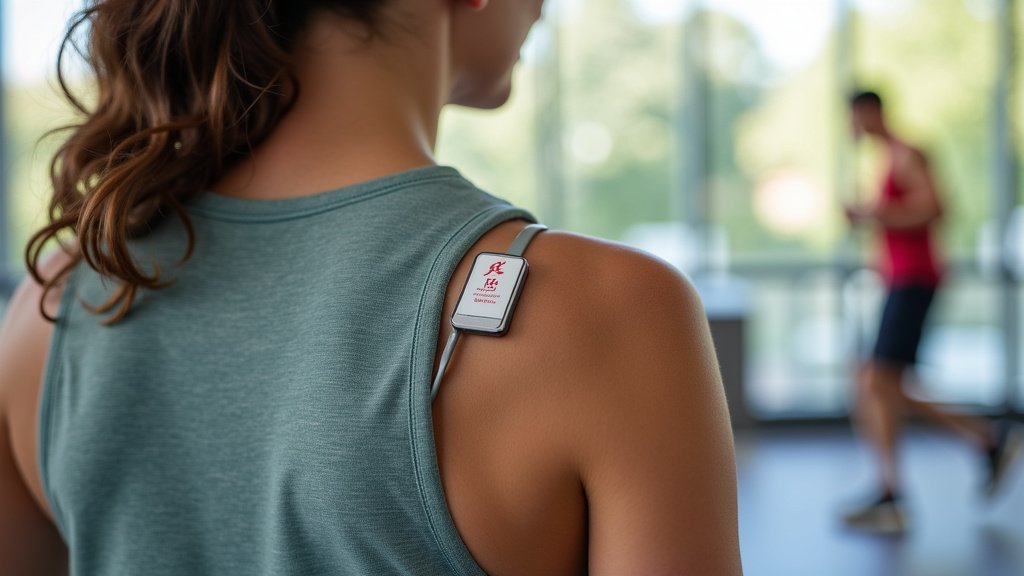
Now, what about those really intense workouts? Think CrossFit, competitive sports, or long-distance running in humid conditions. These activities generate a lot of sweat and can involve significant movement. This increases the risk of the patch coming loose or the adhesive failing.
If you plan on engaging in these kinds of activities, it’s essential to have a conversation with your healthcare provider. They can assess your specific patch, your health status, and the intensity of your planned exercise. If you are in cardiac rehab, ask whether an ECG monitor fits your plan. They might suggest ways to secure the patch better or advise you to avoid certain movements during your monitoring period. Research and guidelines suggest consulting your doctor for personalized advice (Cleveland Clinic).
Specific Considerations for Intense Exercise
For very strenuous activities, consider these points:
- Sweat Management: High levels of sweat can overwhelm the adhesive.
- Physical Impact: Repetitive pounding or direct impacts can dislodge the patch.
- Duration: Longer, more intense sessions increase the stress on the patch.
We found that many people have success with these workouts, but it often requires careful preparation and monitoring of the patch’s condition. If in doubt, it’s always best to err on the side of caution and consult your doctor.
When to Contact Your Doctor
Your doctor is your best resource. Don’t hesitate to reach out if you have any concerns about exercising with your ECG patch.
Red Flags and Important Questions
Here are some signs that warrant a call to your doctor:
- The patch is peeling significantly or has fallen off.
- You notice skin irritation or a rash under the patch.
- You’re experiencing new symptoms during exercise that concern you.
- You have questions about specific exercises or activities.
Remember, your doctor prescribed the patch for a reason. They want to ensure it’s working correctly and safely for you. We found that a quick phone call can often provide peace of mind or a necessary adjustment.
Documenting Your Activity and Any Issues
It’s helpful to keep a log of your physical activity while wearing the patch. Note the type of exercise, its duration, and its intensity. Also, record any issues you experience with the patch, like loosening or discomfort. This information can be very useful for your doctor when reviewing your data.
We found that this kind of detailed record-keeping greatly assists healthcare providers. It helps them correlate your symptoms or heart readings with your daily activities. This makes the monitoring period much more effective for your health journey.
Checklist for Exercising with Your ECG Patch
Here’s a quick rundown to help you prepare:
- Confirm your patch’s water-resistance level.
- Ensure your skin is clean and dry before application.
- Apply the patch firmly and allow it to adhere.
- Choose lower-impact activities if unsure.
- Know when to contact your doctor.
- Keep a log of your activities and patch status.
Conclusion
You’ve learned a lot about exercising with your ECG patch! Remember, staying active is a positive step for your health. Most modern patches can handle sweat from workouts, but always check your specific device’s guidelines. Proper application is key for accurate readings, so take your time securing it. Don’t hesitate to reach out to your doctor with any questions or concerns. Prioritize clear communication with your healthcare team to ensure your monitoring is effective and safe. Your next step is to review your patch’s manual and plan your next workout confidently.
Frequently Asked Questions
How long after applying an ECG patch can I exercise?
It’s often recommended to wait about an hour after applying your ECG patch before starting exercise. This allows the adhesive to bond securely with your skin. This bonding period helps ensure the patch stays put during your workout.
Can I swim with an ECG patch on?
Most ECG patches are water-resistant, meaning they can handle sweat or light splashes. They are typically not waterproof. Swimming usually involves submersion, which can compromise the patch’s seal. Always check your device’s instructions or ask your doctor before swimming.
What if my ECG patch starts peeling during a workout?
If you notice your patch beginning to peel during exercise, try to gently pat the area dry. If it continues to loosen or falls off, it’s best to stop that activity. Contact your doctor or the device provider as soon as possible to discuss replacement options.
Can sweat affect the accuracy of my ECG readings?
Excessive sweat can potentially loosen the patch or interfere with electrode contact, which might affect reading accuracy. Ensuring your skin is clean and dry before application, and that the patch is secured well, can help minimize this. Some research suggests that very heavy sweating might require extra attention.
Should I avoid certain exercises altogether while wearing an ECG patch?
For activities involving heavy impact, extreme movement, or prolonged high sweat levels, it’s wise to proceed with caution. These can increase the risk of the patch dislodging. Discuss your exercise plans with your doctor to get personalized advice on which activities are safest for you.