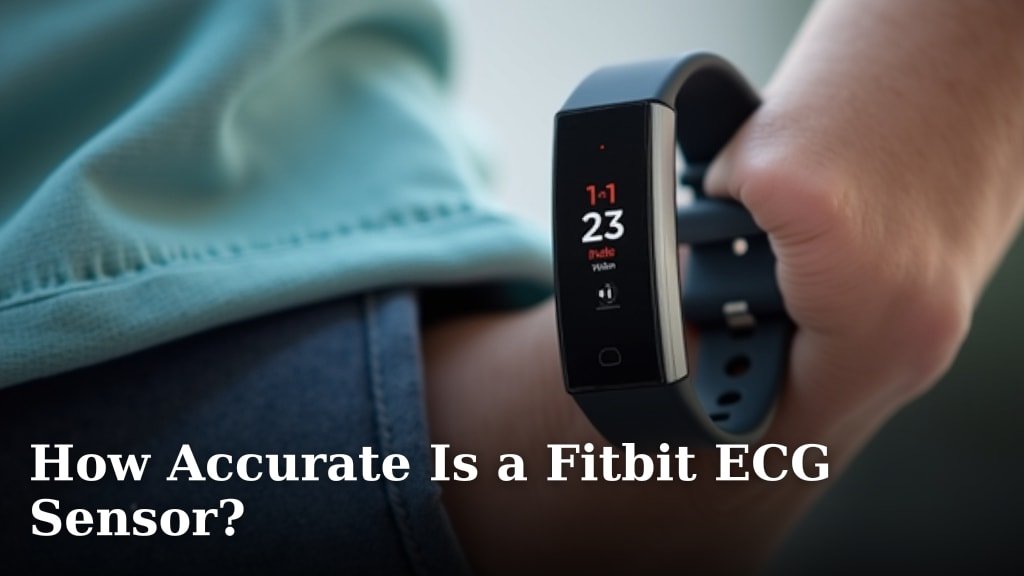
Which Fitbit Devices Have ECG?
Fitbit Sense, Sense 2, Charge 5, and Charge 6 have an ECG app in supported regions. Other Fitbit models may track heart rate without offering an ECG recording.
On this page (8 sections)
- Which Fitbit Devices Have ECG?
- Which Fitbit models have an ECG function?
- Does a heart-rate sensor mean a Fitbit has ECG?
- How do you choose between Fitbit Sense and Charge models?
- What should you check before buying a Fitbit with ECG?
- Can a Fitbit ECG replace a medical ECG?
- More guides on this topic
- Which Fitbit with ECG should you choose?
Which Fitbit Devices Have ECG?
Fitbit Sense, Sense 2, Charge 5, and Charge 6 have an ECG app in supported regions. Most other Fitbit models track heart rate but don't offer an ECG recording, so check the exact model and your country's availability before buying.
An ECG records electrical signals from your heart during a short reading. It is different from the optical heart-rate sensor used to estimate your pulse throughout the day.
Fitbit's ECG app is intended for adults and isn't available in every country. For an overview of how it works, see what is ECG on Fitbit.
Which Fitbit models have an ECG function?
The Sense, Sense 2, Charge 5, and Charge 6 are Fitbit's models with an ECG app. Fitbit describes the app as a way to record a 30-second heart rhythm and check for signs of atrial fibrillation, or AFib.
| Fitbit model | ECG app |
|---|---|
| Fitbit Sense | Yes, in supported regions |
| Fitbit Sense 2 | Yes, in supported regions |
| Fitbit Charge 5 | Yes, in supported regions |
| Fitbit Charge 6 | Yes, in supported regions |
| Other Fitbit models | No ECG app |
Feature availability can depend on country, age, and the Fitbit app setup. Before you buy, check Fitbit's current ECG availability information for your region and confirm the feature is supported by the exact model.
A model name alone doesn't guarantee that ECG will be available where you live. Regional approval rules can affect whether the app appears.
Does a heart-rate sensor mean a Fitbit has ECG?
No. Heart-rate tracking and ECG are different features, even though both relate to heart activity.
Fitbit uses an optical sensor to estimate your pulse from changes in blood flow at your wrist. An ECG uses electrical signals detected through electrodes, which you touch during a deliberate recording.
A Fitbit that displays heart rate, heart-rate zones, or resting heart rate does not necessarily have an ECG function. Check for the ECG app specifically when comparing watches and trackers.
If your main question is whether a recording can identify AFib, read can Fitbit ECG detect AFib. The app can flag certain patterns, but it isn't a diagnosis or a replacement for care from a clinician.
How do you choose between Fitbit Sense and Charge models?
Choose from the four compatible models based on the form factor and other features you want. For Apple Watch setup, see Series 10 ECG guide.
If you're comparing ECG watches beyond Fitbit, see whether the Garmin Venu 4 has ECG.
ECG availability alone doesn't tell you which Fitbit is the better fit for daily wear.
The Sense and Sense 2 are smartwatch-style devices. Charge 5 and Charge 6 are fitness trackers with a narrower band-style shape.
Fitbit's ECG feature works through the Fitbit ECG app on compatible devices. Compare the screens, controls, battery expectations, and health features for the model you're considering, then confirm local availability.
For details about the newer smartwatch model, see our Fitbit Sense 2 ECG review. You can also read how accurate a Fitbit ECG sensor is to understand what a short recording can and can't tell you.
Which Fitbit models should you skip if ECG is essential?
Skip any model that doesn't specifically support the ECG app if an ECG recording is a must-have. A Fitbit that tracks your pulse or sleep may still lack ECG.
Don't assume a similar-looking model has the same functions. Check the full model name, country support, and Fitbit app compatibility before placing an order.
What should you check before buying a Fitbit with ECG?
Confirm the exact model, local availability, and setup requirements before choosing. These checks can help avoid confusing a general heart-rate feature with an ECG recording.
- Confirm that the device is Sense, Sense 2, Charge 5, or Charge 6.
- Check Fitbit's current ECG availability information for your country.
- Confirm you can install and use the Fitbit ECG app.
- Review Fitbit's age and other eligibility requirements.
- Make sure you understand that ECG results are limited and aren't a diagnosis.
Fitbit may update its device and regional support information, so consult the current official guidance before buying. If the ECG app doesn't appear after setup, follow Fitbit's troubleshooting steps or contact Fitbit support.
For instructions once you have a compatible device, read how to take an ECG on Fitbit Sense 2 or how to take an ECG on the Fitbit Charge 6. If the app isn't working, see why Fitbit ECG may not be working.
Can a Fitbit ECG replace a medical ECG?
No. A Fitbit ECG is a limited, single-lead recording and doesn't replace a clinical ECG or medical advice.
It can help you save a short reading to discuss with a health professional. Garmin users can read how to Garmin ECG sharing guide.
A normal result doesn't rule out every heart condition, and an inconclusive result doesn't explain why the reading could not be classified. If you have symptoms such as chest pain, fainting, or shortness of breath, seek urgent medical care instead of relying on a watch reading.
If you want to compare Fitbit with other home ECG options, see Best ECG Monitor Fitbit Sense Alternative. A Fitbit also doesn't measure blood pressure; see Can a Fitbit Measure ECG and Blood Pressure? for that distinction.
More guides on this topic
- Why Is Your Fitbit Sense Not Charging?
- How to Charge Fitbit Sense 2
- How Accurate Is the Fitbit Charge 6 ECG?
- Why Is ECG Not Working on Your Fitbit Charge 5?
Which Fitbit with ECG should you choose?
Choose Sense or Sense 2 for a smartwatch shape, or Charge 5 or Charge 6 for a tracker shape, after confirming ECG support in your region. If you only need heart-rate tracking, a Fitbit without ECG may still meet your needs.
These watch bands can help you adjust the fit or style of a compatible watch, but they don't add ECG functionality. Check your device's band width and compatibility before choosing one.
A Fitbit with ECG can record a brief heart rhythm when the feature is supported and set up. Pick the model by its form and your region's app support, then use the recording as limited information to discuss with a clinician when needed.
For related Fitbit questions, see how to pair a Fitbit Luxe with your phone and what a Fitbit Luxe activity tracker can do.
Frequently asked questions
Which Fitbit watches can take an ECG?
Fitbit Sense, Sense 2, Charge 5, and Charge 6 have an ECG app in supported regions. Check Fitbit's current availability for your country and confirm the app is available on your device before buying.
Does Fitbit Versa have ECG?
The Versa models are not among Fitbit's devices with the ECG app. A heart-rate sensor can track pulse during activity, but that is different from recording an ECG.
Can Fitbit ECG diagnose atrial fibrillation?
Fitbit's ECG app can analyze a compatible recording for signs of atrial fibrillation, but it does not diagnose AFib or rule out other heart conditions. Seek medical care for symptoms or concerns, even if a recording appears normal.
Do I need my phone to use Fitbit ECG?
You need the Fitbit app to set up the ECG feature and review saved results. The ECG recording itself is taken on a compatible Fitbit device by placing your fingers on its designated electrodes and staying still.