What Is an ECG Monitor?
On this page (7 sections)
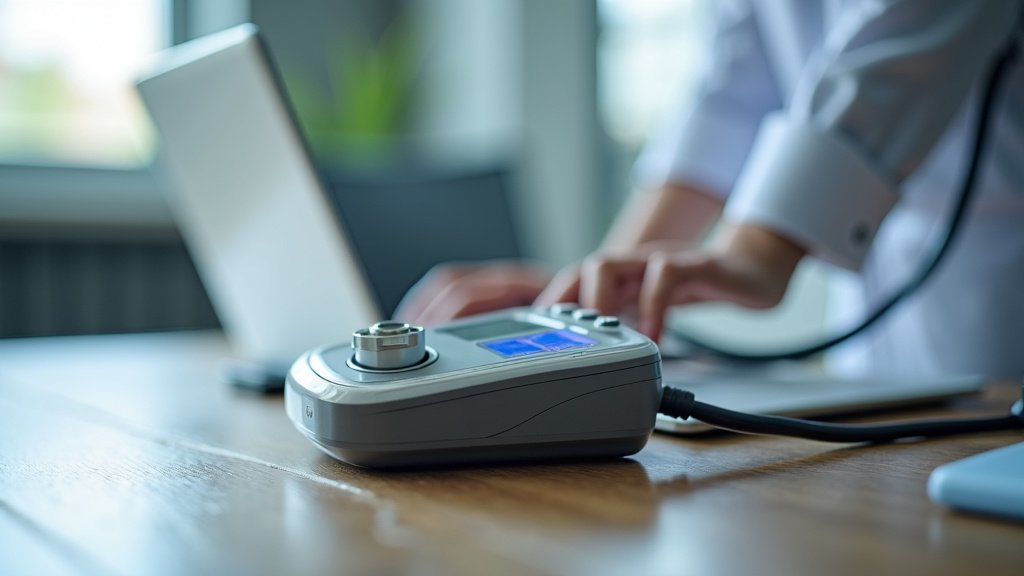
An ECG monitor, also called an electrocardiogram, is a non-invasive medical device that measures and records your heart’s electrical activity. It helps doctors see how well your heart is beating and if there are any unusual patterns.
Think of it as a quick snapshot of your heart’s rhythm and electrical signals. These monitors are commonly used to check for heart conditions like arrhythmias or heart attacks. They help doctors understand your heart health without surgery.
- ECG monitors record heart’s electrical signals.
- They help detect heart rhythm issues.
- Testing is quick and painless.
- Can be done in a doctor’s office or hospital.
Ready to understand more about this important diagnostic tool? Let’s walk through everything you need to know about what an ECG monitor is and why it’s used.
Understanding the ECG Device
An ECG monitor, sometimes called an EKG, is an incredibly useful tool for understanding your heart’s electrical health. We found it’s like an electronic ear that listens to the tiny electrical signals your heart creates with each beat. It then draws a picture of these signals.
This picture, called an electrocardiogram, shows if your heartbeat is regular or if there are any unusual patterns. Doctors use it to quickly check your heart’s overall rhythm and function. It’s truly a window into your heart’s activity.
How Does an ECG Monitor Work?
Have you ever wondered how a machine can “see” your heart’s electrical pulses? It’s simpler than you might think. When your heart beats, it generates tiny electrical impulses. These impulses cause your heart muscles to contract and pump blood.
An ECG monitor works by picking up these electrical signals from your skin. Small sticky patches, called electrodes, are placed on specific areas of your chest, arms, and legs. These electrodes are connected by wires to the ECG machine.
The machine then amplifies these tiny signals and records them. What you see is a series of waves and spikes that correspond to different phases of your heart’s activity.
The Electrical Journey of Your Heart
Your heart has a natural pacemaker, a special group of cells that send out electrical signals. These signals travel through your heart in a very specific pathway, telling different chambers when to contract. An ECG records this journey.
It captures the moment your atria (upper chambers) contract, followed by your ventricles (lower chambers). This electrical “road map” helps doctors see if all parts of your heart are working together correctly (American Heart Association).
When Would You Need an ECG?
Doctors recommend an ECG for many reasons, often when they suspect a heart issue or want to check your heart’s baseline health. It’s a key diagnostic tool.
You might need an ECG if you experience symptoms like chest pain, shortness of breath, dizziness, or a fluttering heart. It helps your doctor figure out what’s causing these feelings.
Common Reasons for an ECG Test
- To investigate symptoms such as chest pain or palpitations.
- To check for signs of a heart attack or a previous heart attack.
- To look for causes of shortness of breath, dizziness, or fainting.
- To monitor the effectiveness of certain heart medications.
- As part of a routine physical exam, especially if you have risk factors for heart disease.
Diagnosing Specific Heart Conditions
An ECG is incredibly effective at identifying various heart conditions. It can show if you have an abnormal heart rhythm, known as an arrhythmia.
It can also provide evidence of a heart attack. If you’re experiencing sudden chest pain, an ECG is often one of the first tests performed to rule out or confirm a heart attack (Mayo Clinic).
Furthermore, an ECG can suggest if your heart muscle is thickened or enlarged, which can be a sign of certain heart diseases. It’s truly a versatile tool for heart health evaluation.
Different Types of ECG Monitoring
Not all ECGs are alike! There are a few different types, each designed for specific purposes and situations. Understanding these can help you know what to expect.
Resting ECG
Most commonly, you’ll hear about a resting ECG. This is done while you lie still, typically for about 5 to 10 minutes. It captures a snapshot of your heart’s electrical activity at rest.
It’s quick, painless, and provides crucial immediate information. This is the type often done in a doctor’s office or emergency room.
Stress ECG (Treadmill Test)
A stress ECG, also known as an exercise ECG or treadmill test, watches your heart while it’s working hard. People who track workouts may compare ECG monitors for gym use. You’ll walk or run on a treadmill, or sometimes use a stationary bike, while connected to the ECG machine. Cyclists can also compare ECG monitors for cyclists for personal heart rhythm tracking.
Why do this? Some heart conditions only show up when your heart is under stress. This test helps see how your heart handles physical exertion and can detect problems like blocked arteries (National Heart, Lung, and Blood Institute).
Ambulatory ECG Monitoring (Holter Monitor, Event Monitor)
For symptoms that come and go, a one-time ECG might miss the problem. That’s where ambulatory ECG monitoring comes in. These devices record your heart activity over a longer period, usually 24 to 48 hours, or even up to two weeks.
A Holter monitor is a small, portable device you wear that continuously records your heart rhythm for a day or two. You go about your normal activities while wearing it.
An event monitor is similar but records only when you activate it, usually when you feel symptoms. Some event monitors can even detect and record abnormal rhythms automatically.
| ECG Type | What It Does | When It’s Used |
|---|---|---|
| Resting ECG | Records heart’s activity while you are still. | Routine check-ups, acute symptoms (chest pain). |
| Stress ECG | Records heart’s activity during exercise. | Detecting heart problems that appear with exertion. |
| Holter Monitor | Continuous recording for 24-48 hours. | Intermittent symptoms, checking medication effectiveness. |
| Event Monitor | Records only when activated by patient or automatically. | Infrequent symptoms, extended monitoring. |
What to Expect During Your ECG
Feeling a little nervous about your first ECG? Don’t be! It’s a very straightforward and non-invasive procedure. We found that knowing what to expect can really ease any worries.
The ECG Procedure: A Simple Process
When you arrive for your ECG, you’ll typically be asked to lie down on an examination table. A technician or nurse will then prepare your skin where the electrodes will be placed. Sometimes, a small amount of hair might be shaved to ensure good contact.
They will attach anywhere from 10 to 12 small, sticky electrodes to your chest, arms, and legs. These don’t hurt at all; they just stick to your skin. The wires from these electrodes connect to the ECG machine.
Once everything is connected, the machine will start recording. You’ll just need to lie still for a few minutes. That’s it! The entire process for a resting ECG often takes less than 15 minutes.
After Your ECG
Once the recording is complete, the electrodes are removed, and you can simply wipe off any remaining gel. There’s no recovery time needed. You can go home or continue your day as usual!
The results will then be reviewed by a doctor, usually a cardiologist, who will interpret the patterns and discuss the findings with you. This might happen right away if it’s an emergency, or at a follow-up appointment.
It’s important to remember that an ECG is just one piece of the puzzle. Your doctor will consider your symptoms, medical history, and other test results to get a complete picture of your heart health.
Preparing for Your ECG Appointment
Preparing for an ECG is usually quite simple. There are just a few things you can do to help ensure a smooth process and accurate results.
- Wear comfortable clothing that allows easy access to your chest, arms, and legs.
- Avoid applying lotions or oils to your skin on the day of the test, as they can interfere with electrode adhesion.
- Discuss any medications you are taking with your doctor, as some can affect heart rhythm.
- Inform the technician if you have a pacemaker or any known heart conditions.
- For a stress ECG, you might be asked to avoid caffeine and specific foods before the test.
- Don’t be afraid to ask questions if you’re unsure about anything.
Your comfort and understanding are important throughout the process. An ECG is a very common test, and the medical staff performing it are experts in making it easy for you.
Conclusion
You now know that an ECG monitor is a simple yet powerful tool for understanding your heart’s electrical health. It offers doctors a quick snapshot or a longer view of how your heart is working. By detecting issues like arrhythmias or signs of a heart attack, it helps guide your treatment and care.
Whether it’s a quick resting ECG or an extended monitoring period, each type provides different, important information. Don’t hesitate to talk to your doctor if you have concerns about your heart. Understanding these tests can ease your mind and help you take an active role in your heart health journey.
Frequently Asked Questions
Is an ECG test painful?
No, an ECG test is not painful at all. It’s a non-invasive procedure. You might feel the cool gel or the light pressure of the electrodes, but there is no discomfort during the recording itself.
How long does a typical ECG test take?
A standard resting ECG typically takes about 5 to 10 minutes from start to finish. This includes the time needed to place and remove the electrodes. Other types, like Holter monitoring, involve wearing a device for a day or two.
Can an ECG detect all heart problems?
While an ECG is excellent for detecting many heart conditions, especially those related to electrical activity and rhythm, it cannot detect every possible heart problem. Your doctor may need other tests to get a full picture of your heart health.
Do I need to fast before an ECG?
For a standard resting ECG, you generally do not need to fast. For a stress ECG, you might be asked to avoid eating or drinking anything but water for a few hours before the test. Always follow your doctor’s specific instructions.
Can coffee or caffeine affect my ECG results?
Yes, caffeine can temporarily affect your heart rate and rhythm. For a stress ECG, you will likely be advised to avoid caffeine before the test. For a resting ECG, it’s generally best to avoid caffeine shortly beforehand, but follow your doctor’s advice.