How to Compare ECG Monitors Before Buying?
On this page (5 sections)
Comparing ECG monitors before buying is smart. You want a device that offers accurate readings and is easy for you to use. Look for models with clear display screens and simple controls. This ensures you get the most helpful information without frustration when choosing your personal ECG monitor.
Selecting the right ECG monitor means thinking about your health needs. Some devices offer more detailed reports. Others connect to your phone for tracking over time. We found that understanding these key features can make a big difference. It helps you choose a monitor that truly fits your lifestyle and health goals.
- Compare accuracy claims from reputable sources.
- Check for ease of use and clear displays.
- Consider features like smartphone connectivity.
- Read user reviews for real-world performance.
- Match the monitor to your personal health needs.
Let’s walk through the most important factors to consider when comparing ECG monitors. We’ll help you find the best fit for your peace of mind.
Choosing Your Ideal ECG Monitor: A Practical Guide
Selecting the right ECG monitor can feel overwhelming. You want a device that’s accurate and easy to use. This guide will help you compare your options. We’ll focus on what truly matters for your peace of mind.
Understanding ECG Monitor Basics
Before you compare, let’s cover the basics. An ECG (electrocardiogram) monitor records your heart’s electrical activity. This helps detect irregular heartbeats, or arrhythmias. Personal ECG monitors are designed for home use. They offer a convenient way to keep an eye on your heart health.
What is an ECG and Why Monitor It?
Your heart beats because of electrical signals. An ECG traces these signals. Doctors use it to diagnose many heart conditions. For some people, monitoring at home is recommended. This can provide doctors with more information. It might show patterns not seen during a short clinic visit. Research shows that continuous or frequent monitoring can be beneficial for certain patients (NIH).
Types of Personal ECG Monitors
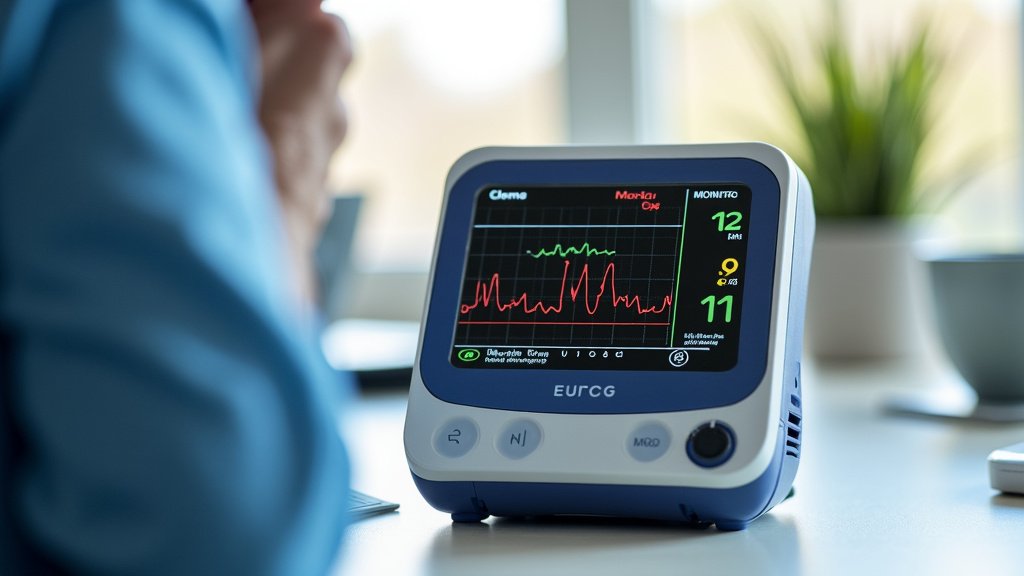
There are a few main types of personal ECG devices. Most are portable and handheld. Some require you to place your fingers on sensors. Others might use sticky electrode pads placed on your chest. We found that the method of use often relates to the device’s complexity and features.
Key Features to Compare: What Matters Most
When you start comparing models, focus on these key areas. They will guide you to a device that fits your needs.
Accuracy and Reliability: The Top Priority
This is where you should start. An ECG monitor is only useful if its readings are accurate. Look for devices that have been clinically validated. Many manufacturers will mention if their device meets certain medical standards. While personal devices aren’t a substitute for a doctor’s diagnosis, they should offer a reliable snapshot.
Where to Find Accuracy Information
Check the product specifications carefully. Reputable brands often provide data on their accuracy. Sometimes, independent reviews or medical publications will discuss device performance. We found that reading user reviews can also offer clues. Look for comments about consistent readings. Pay attention if many users report issues with accuracy.
Ease of Use: Making Monitoring Simple
A device is no good if you can’t figure out how to use it. Think about your
Conclusion
You’ve learned how to compare ECG monitors effectively. Focusing on accuracy and ease of use is key. Remember to check for features that match your health needs. Reading user reviews can offer real-world performance insights. Your goal is peace of mind. Take this knowledge and find the ECG monitor that best supports your heart health journey. Start your comparison today!
Frequently Asked Questions
How do I know if an ECG monitor is accurate enough for home use?
Look for devices that mention clinical validation or adherence to medical standards. Reputable brands often share this information in their product specs. User reviews can also highlight consistent and reliable readings.
Can a personal ECG monitor replace a doctor’s visit?
No, personal ECG monitors are not a substitute for professional medical diagnosis. They are tools to help you track your heart’s activity and provide useful data to share with your doctor.
What does smartphone connectivity add to an ECG monitor?
Smartphone connectivity allows you to easily store, track, and share your ECG readings over time. This can help you and your doctor identify trends or patterns in your heart’s rhythm.
Are there different types of personal ECG monitors?
Yes, personal ECG monitors come in various forms. Some use finger sensors, while others might use chest electrode pads. The type you choose often depends on how detailed you want your readings to be and your comfort level.
Where can I find reliable information about ECG monitor accuracy?
Start with the manufacturer’s product specifications and look for any mentions of clinical validation. Independent reviews from trusted tech or health websites can also be helpful. User feedback in online reviews often provides practical insights.