Can Pregnant Women Use a Home ECG Monitor?
On this page (9 sections)
- Home ECG Monitors During Pregnancy: What You Need to Know
- Understanding What a Home ECG Monitor Does
- Pregnancy and Your Heart: What Changes?
- Why Consulting Your Doctor is Non-Negotiable
- When a Home ECG Monitor Might Be Considered
- What to Look for in a Monitor (If Approved by Your Doctor)
- A Simple Checklist for Pregnant Women and Home ECGs
- Conclusion
- Frequently Asked Questions
Yes, pregnant women can often use a home ECG monitor, but it’s essential to consult your doctor first. While these devices can provide useful readings, they are not a replacement for professional medical advice, especially during pregnancy. Always discuss your plans to use a home ECG monitor with your healthcare provider to ensure it’s appropriate for your specific situation and to understand how to interpret the results correctly. Your baby’s health is the top priority.
Home ECG monitors are designed to detect certain heart rhythms, and some expectant mothers might be curious about monitoring their own heart health or even their baby’s. However, the unique physiological changes during pregnancy mean that standard readings might differ. It’s crucial to have any data reviewed by a medical professional to avoid unnecessary worry or misinterpretation of results. We found that many experts stress the importance of professional oversight.
- Always talk to your doctor before using a home ECG.
- Home monitors can offer insights but aren’t diagnostic tools.
- Pregnancy causes bodily changes that can affect readings.
- Professional interpretation of results is key.
- Your doctor guides safe monitoring during pregnancy.
Let’s dive into what you should know about using these devices while expecting.
Home ECG Monitors During Pregnancy: What You Need to Know
Can you use a home ECG monitor while you’re expecting? The short answer is often yes, but with very important conditions. It’s not a simple yes or no, and your doctor’s guidance is your most important tool.
Understanding What a Home ECG Monitor Does
A home ECG monitor, also called an electrocardiogram device, is designed to record the electrical activity of your heart. It can help detect certain heart rhythm issues or abnormalities. Think of it like a snapshot of your heart’s electrical signals. These devices have become more accessible, and it’s natural to wonder if they’re helpful during pregnancy. Our guide to the best ECG monitor for home use can help you find a suitable device.
How They Work (The Simple Version)
You usually place electrodes on your skin, often your chest or limbs. These sensors pick up the tiny electrical impulses your heart generates with each beat. The monitor then translates these signals into a waveform that can be viewed on a screen or printed. It’s a non-invasive way to get a look at your heart’s rhythm.
What They Can (and Cannot) Detect
Home ECG monitors are good at spotting common rhythm disturbances, like atrial fibrillation (AFib) or irregular heartbeats. They can alert you to changes that might warrant a closer look. However, they are generally not diagnostic tools on their own. They capture data, but interpreting that data correctly requires medical expertise.
Pregnancy and Your Heart: What Changes?
Pregnancy is a time of incredible bodily transformation. Your heart is working harder than ever to pump blood for both you and your growing baby. This means some of the readings you might get from a home ECG could look different from your pre-pregnancy baseline.
Increased Blood Volume and Heart Rate
During pregnancy, your blood volume can increase by up to 50% (American Heart Association). To manage this extra volume, your heart rate typically speeds up. You might notice your heart beating faster, which is perfectly normal. This increased rate can influence ECG readings. Your doctor is accustomed to these changes.
Hormonal Shifts and Their Effects
Hormones play a huge role in pregnancy. These shifts can affect your body in many ways, including your cardiovascular system. Electrolyte balance, for instance, can be influenced by hormonal changes, which could potentially show up on an ECG. This is another reason why a doctor’s interpretation is so important.
Why Consulting Your Doctor is Non-Negotiable
This is the most critical point. Before you even think about using a home ECG monitor during pregnancy, you absolutely must talk to your healthcare provider. They know your medical history and understand the unique physiological changes you’re experiencing.
Personalized Medical Advice is Key
Your doctor can tell you if a home ECG is appropriate for you. They will consider your individual health status, any pre-existing conditions, and the stage of your pregnancy. They can also advise you on which types of monitors, if any, might be suitable and how to use them correctly.
Interpreting Results in a Pregnant Context
This is where the real expertise comes in. A reading that might seem concerning on its own could be completely normal for a pregnant woman. Conversely, a subtle change that your doctor notices might be something to monitor more closely. Your doctor can differentiate between pregnancy-related heart rate variations and genuine issues.
Avoiding Unnecessary Worry and Anxiety
It’s easy to get worried when you see unfamiliar numbers or waveforms on a monitor. Without a medical professional to guide you, you might experience unnecessary anxiety. This stress is not good for you or your baby. Your doctor can provide reassurance or explain what steps need to be taken.
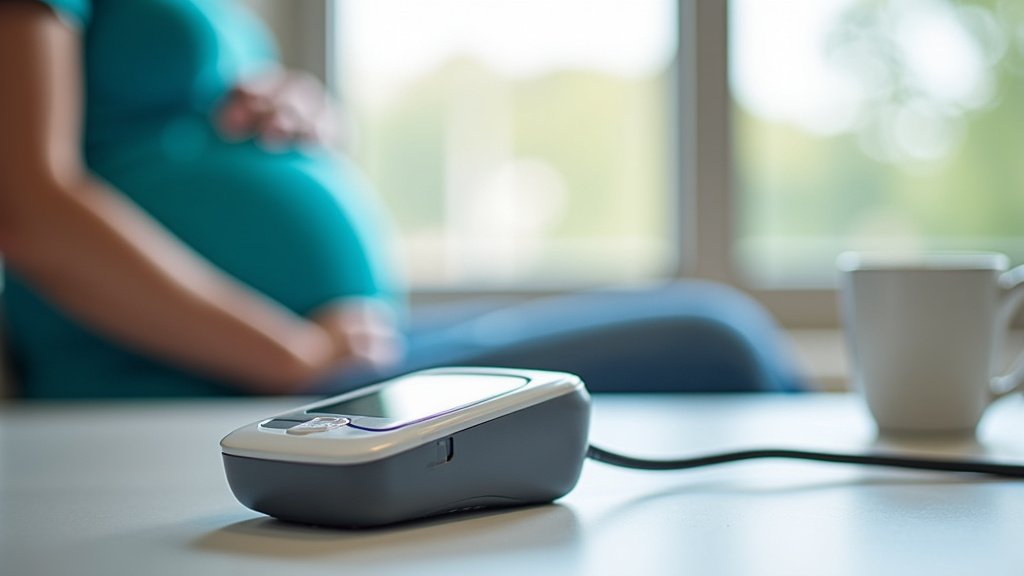
When a Home ECG Monitor Might Be Considered
In certain situations, your doctor might actually recommend or approve the use of a home ECG monitor. This is usually when there’s a known heart condition or a specific concern that requires ongoing monitoring outside of regular appointments.
Monitoring Known Heart Conditions
If you have a pre-existing heart condition, like a history of arrhythmias, your doctor might suggest a home monitor to keep an eye on things between visits. This allows for more frequent data collection, which can be very helpful for managing your condition during this sensitive period.
Detecting Specific Symptoms
Sometimes, a doctor might advise using a monitor if you’re experiencing specific symptoms they want to document. This could include things like unexplained palpitations or dizziness. The monitor can help capture these events when they happen, providing valuable data for diagnosis.
What to Look for in a Monitor (If Approved by Your Doctor)
If your doctor gives you the green light to use a home ECG monitor, you’ll want to choose one that’s reliable and easy to use. However, remember that these are still consumer-grade devices.
Features to Consider
Look for devices that are FDA-cleared for detecting arrhythmias. Ease of use is important, especially when you’re pregnant and might be experiencing fatigue. Some devices connect to smartphone apps, which can be convenient for tracking and sharing data with your doctor.
Limitations of Consumer Devices
It’s vital to understand that most home ECG monitors are not medical-grade equipment. They may not capture all types of heart rhythm issues or provide the detailed information a clinical ECG machine can. They are best used as screening tools, not diagnostic ones.
A Simple Checklist for Pregnant Women and Home ECGs
Before you consider using a home ECG monitor, run through this quick checklist. It’s designed to keep you and your baby safe and healthy.
- Consult your doctor first: This is the absolute number one step.
- Understand your baseline: Know what’s normal for you pre-pregnancy.
- Discuss monitor type: Get your doctor’s recommendation on a suitable device.
- Learn proper use: Ensure you know how to get accurate readings.
- Know when to call your doctor: Have a clear plan for reporting unusual results.
- Don’t self-diagnose: Always let your medical team interpret the data.
Conclusion
You’ve learned that using a home ECG monitor during pregnancy is possible, but it always requires your doctor’s approval. Pregnancy brings natural changes to your heart rate and blood volume, which can affect readings. These monitors are helpful tools, but they don’t replace professional medical advice. Always discuss your plans with your healthcare provider to ensure safe and accurate monitoring. Your doctor is your best resource for understanding your heart health and your baby’s well-being during this special time.
Frequently Asked Questions
Can a home ECG monitor tell me if my baby is okay?
Home ECG monitors are designed to track the electrical activity of your heart, not your baby’s. They cannot directly monitor your baby’s heart rate or rhythm. Any concerns about your baby’s health should be discussed directly with your doctor, who can perform appropriate tests.
What if I see an abnormal reading on my home ECG?
If you get a reading that seems unusual, don’t panic. The most important step is to contact your doctor or healthcare provider immediately. They can help you understand if the reading is normal for pregnancy or if it warrants further investigation.
Are there specific types of home ECG monitors that are better for pregnant women?
Your doctor can recommend a monitor if they feel one is appropriate for your situation. Generally, look for devices that are FDA-cleared for detecting arrhythmias and are user-friendly. The best type depends on your individual health needs and your doctor’s guidance.
Can using a home ECG monitor cause stress during pregnancy?
Yes, interpreting readings without medical knowledge can cause unnecessary worry and anxiety. This is why consulting your doctor is so important. They can help you interpret results accurately and provide reassurance, reducing stress for both you and your baby.
Is it safe to use a home ECG monitor if I have no known heart problems?
If you have no known heart issues, your doctor may not recommend a home ECG monitor. They will assess your individual health and pregnancy to determine if monitoring is necessary. Always follow your doctor’s advice regarding any health monitoring during pregnancy.


