Can Dehydration Cause Abnormal ECG Readings?
On this page (6 sections)
Yes, dehydration can absolutely cause abnormal ECG readings. When your body lacks sufficient fluids, it affects the electrical signals your heart sends. This can lead to changes in your electrocardiogram, sometimes mimicking more serious heart conditions. We’ve found that even mild dehydration can impact these readings. When your body lacks sufficient fluids, it affects the electrical signals your heart sends, which can lead to changes in your electrocardiogram.
Your heart’s electrical activity depends on a proper balance of electrolytes, which are found in body fluids. When you’re dehydrated, this balance gets disrupted. This disruption can cause your ECG to show irregularities, making it appear as though there’s a heart problem when it might just be a fluid issue. It’s a common finding that doctors look for.
- Dehydration can change your ECG results.
- It affects the heart’s electrical signals.
- Electrolyte balance is key for a normal ECG.
- Mild dehydration can still cause readings to look odd.
So, if you’ve had an unusual ECG, it’s worth considering your hydration status. Let’s dive deeper into how dehydration impacts your heart’s electrical signals and what you can do about it.
You might be wondering, “Can dehydration really mess with my heart readings?” The answer is a resounding yes! When your body is short on fluids, it throws off its delicate balance. This can lead to some peculiar results on your electrocardiogram (ECG). It’s something many healthcare providers look into when a patient has an abnormal ECG reading.
How Fluid Imbalance Affects Your Heart’s Electrical Signals
Your heart is like a well-tuned orchestra. It needs the right conditions to keep its rhythm. Water is a major player in this. It helps carry electrolytes, which are tiny electrically charged minerals. These electrolytes are essential for transmitting the electrical signals that make your heart beat. Think of them as the messengers. When you’re dehydrated, there simply aren’t enough fluids to go around. This can slow down or change how these messages are sent.
The Role of Electrolytes in Heart Function
Electrolytes like sodium, potassium, calcium, and magnesium are super important. They help regulate your heart’s electrical activity and muscle contractions (Mayo Clinic). When you sweat, vomit, or have diarrhea, you lose these electrolytes. If you don’t replenish them, especially with enough fluids, your electrolyte levels can drop. This imbalance can directly impact your heart’s electrical patterns. You might see changes in the rhythm or the shape of the waves on your ECG. For instance, low potassium can cause your heart to beat irregularly.
What Happens During Dehydration?
When you don’t drink enough, your body tries to conserve fluids. Your blood volume decreases. This makes your blood thicker. Your heart has to work harder to pump this thicker blood through your veins. This increased workload can sometimes be picked up by an ECG. It’s like pushing a heavier load uphill; it takes more effort and might show signs of strain. Even mild dehydration can begin to affect these processes. You might not feel severely ill, but your body is definitely signaling it needs more water.
Common ECG Changes Linked to Dehydration
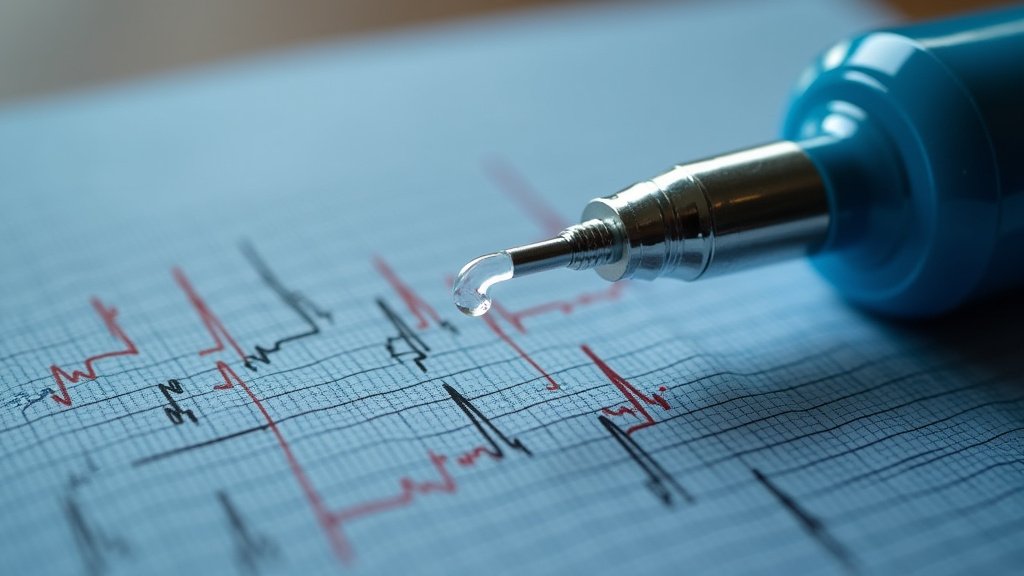
Dehydration can make your ECG look different from its usual self. It’s not just one specific change. Several things can show up. Doctors look for these patterns. They might see altered QT intervals or changes in T-wave morphology. Sometimes, you might see flattening or inversion of the T-wave. These are technical terms for specific shapes on the ECG tracing. They represent different phases of your heart’s electrical cycle. When these shapes change, it suggests something is affecting the electrical signals.
QT Interval Variations
The QT interval is the time it takes for your heart’s electrical system to recharge after each beat. Dehydration can sometimes prolong this interval. A prolonged QT interval is a concern because it can increase the risk of dangerous heart rhythms. It means the heart muscle takes longer to relax between beats. Research has shown that electrolyte imbalances, often associated with dehydration, are a common cause of QT interval abnormalities (NCBI).
T-Wave Abnormalities
The T-wave on an ECG represents the electrical recovery of the lower chambers of your heart (ventricles). Dehydration can cause this wave to appear flatter or even inverted (upside down). Why does this happen? It’s thought to be related to the changes in the electrolytes, particularly potassium, that occur when you’re dehydrated. A normal T-wave is usually rounded and upright. Any significant deviation from that can signal an issue that needs further investigation.
Arrhythmias and Heart Rate Changes
While dehydration might not directly cause serious arrhythmias like ventricular fibrillation, it can contribute to less severe rhythm disturbances. You might experience heart palpitations or feel like your heart is skipping a beat. Dehydration can also lead to an increased heart rate (tachycardia) as your body tries to compensate for lower blood volume. The heart beats faster to try and maintain adequate blood flow to your organs. This faster rate is easily visible on an ECG.
Why Dehydration Mimics Other Heart Conditions
This is where things get tricky. The ECG changes seen with dehydration can sometimes look very similar to those caused by actual heart disease. For example, an altered T-wave might make doctors wonder about ischemia (reduced blood flow to the heart). A prolonged QT interval might raise concerns about congenital heart conditions or side effects from certain medications. This is why a thorough medical history is so important. Your doctor won’t just look at the ECG; they’ll ask about your symptoms, your fluid intake, and any recent illnesses.
The Importance of Context and Diagnosis
A single abnormal ECG reading in isolation can be confusing. However, when a doctor has information about your hydration status, it can help clarify the situation. If you’ve been experiencing symptoms of dehydration, like thirst, dry mouth, dark urine, or dizziness, and your ECG shows abnormalities, dehydration becomes a strong suspect. They might compare your current ECG to previous ones, if available. This helps determine if the changes are new or chronic.
When to Seek Medical Attention
It’s always best to discuss any abnormal ECG results with your healthcare provider. They are trained to interpret these readings. Don’t try to self-diagnose. If you have chest pain, shortness of breath, or severe dizziness along with an abnormal ECG, seek immediate medical help. These symptoms could indicate a more serious condition that needs prompt treatment. However, for subtle changes, discussing your hydration habits with your doctor is a good first step.
How to Prevent Dehydration-Related ECG Issues
The good news is that preventing dehydration is usually straightforward. By taking simple steps, you can keep your body, and your heart’s electrical signals, in good working order. It’s all about staying on top of your fluid intake.
Recommended Daily Fluid Intake
General guidelines suggest that most adults need about 8 cups (64 ounces) of fluid per day. This can vary based on your activity level, climate, and overall health. Listen to your body’s thirst signals. If you’re exercising heavily or in hot weather, you’ll need much more. Water is your best friend here. Other fluids like clear broths or herbal teas also contribute to your daily intake (CDC).
Tips for Staying Hydrated
Here are some easy ways to ensure you’re drinking enough:
- Carry a reusable water bottle with you everywhere.
- Set reminders on your phone to drink water throughout the day.
- Eat foods with high water content, like fruits and vegetables (cucumbers, watermelon, oranges).
- Flavor your water with a slice of lemon, lime, or cucumber if plain water is boring.
- Drink water before, during, and after exercise.
- Monitor the color of your urine; pale yellow indicates good hydration.
Electrolyte Replacement Strategies
For most healthy individuals, a balanced diet provides enough electrolytes. However, if you engage in prolonged, intense exercise, or have significant fluid loss due to illness, you might benefit from electrolyte-rich drinks. Sports drinks can help, but be mindful of their sugar content. You can also get electrolytes from foods like bananas (potassium), dairy products (calcium), and nuts (magnesium). A doctor can advise you if you need specific electrolyte supplements.
| Potential Cause | Typical ECG Findings | Other Clues |
|---|---|---|
| Dehydration | T-wave flattening/inversion, QT interval changes, increased heart rate | Thirst, dry mouth, reduced urine output, dizziness, recent illness/exercise |
| Electrolyte Imbalance (specific types) | Vary widely (e.g., hyperkalemia can cause peaked T-waves, hypokalemia can cause U-waves) | Muscle weakness, cramps, nausea, confusion, specific dietary factors |
| Heart Attack (Myocardial Infarction) | ST-segment elevation or depression, new Q-waves, T-wave inversion | Severe chest pain/pressure, radiating pain, shortness of breath, sweating |
| Arrhythmia (e.g., Atrial Fibrillation) | Irregularly irregular rhythm, absence of P-waves | Palpitations, fluttering in chest, lightheadedness, fatigue |
Conclusion
We’ve seen that dehydration isn’t just about feeling thirsty; it can actually impact your heart’s electrical readings. When your body lacks fluids, it disrupts the electrolyte balance essential for normal heart function. This can cause changes on your ECG that might mimic more serious heart issues. But remember, these changes are often reversible with proper hydration. Always discuss any abnormal ECG results with your doctor. They can help determine the cause and guide you on the best course of action, which may simply be increasing your fluid intake.
Frequently Asked Questions
Can I rely on my thirst to tell me if I’m dehydrated?
Thirst is a good indicator, but it’s not always the first sign, especially in older adults or during intense exercise. Paying attention to other signs like dry mouth, dark urine, or fatigue is also helpful. Staying ahead of thirst by drinking fluids regularly is your best bet for avoiding dehydration.
How quickly can dehydration affect my ECG?
The effects can appear relatively quickly, sometimes within hours of becoming dehydrated. Significant fluid loss from sweating, vomiting, or diarrhea can rapidly alter electrolyte levels and blood volume. This rapid change can then influence your heart’s electrical signals and show up on an ECG.
Are dehydration-related ECG changes permanent?
Generally, no. Once you rehydrate and restore your electrolyte balance, the ECG readings typically return to normal. These changes are usually temporary and a sign that your body needs more fluids, rather than a sign of permanent heart damage.
Should I stop taking my heart medication if I think dehydration is causing ECG changes?
Absolutely not. Never stop or adjust your medications without consulting your doctor. While dehydration can affect ECG readings, your prescribed medications are important for managing existing heart conditions. Discuss your concerns with your doctor first.
Can electrolyte-rich drinks always fix dehydration-related ECG issues?
Electrolyte drinks can be helpful, especially after significant fluid loss, but they aren’t always a magic fix. For mild dehydration, plain water is often sufficient. If you have persistent ECG abnormalities or concerns about your electrolytes, it’s crucial to get personalized advice from a healthcare professional.


