Pulse Oximeter vs ECG: Which Home Monitor Do You Need? (October 2026)
Choose a pulse oximeter for oxygen saturation and pulse readings, or an ECG monitor to record electrical heart activity. They measure different things, so the right choice depends on what you need to observe.
On this page (7 sections)
Choose a pulse oximeter for oxygen saturation and pulse readings, or an ECG monitor to record electrical heart activity. In a pulse oximeter versus ECG comparison, the key difference is what each device measures.
A fingertip pulse oximeter reports SpO2, or blood oxygen saturation, and pulse measures. An ECG monitor records electrical signals from the heart, which gives a different kind of information.
Neither device does the other's job. Pick based on the reading you need, and ask a health professional what to do with results or symptoms.
 Best for a purple fingertip option
Zacurate Pro Series 500DL Fingertip Pulse Oximeter
 Best for a black fingertip option
Zacurate 500 Series Fingertip Pulse Oximeter Blood
Pulse oximeter versus ECG: what does each one measure?
A pulse oximeter estimates oxygen saturation and measures pulse; an ECG records electrical heart signals. Their readings describe different parts of your body's activity.
A pulse oximeter clips onto a finger and uses a light based sensor to estimate SpO2 from blood flow. The Zacurate options here also show pulse rate and pulse strength.
An ECG, also called an EKG, records electrical activity associated with the heartbeat. A home ECG monitor can store a tracing for later review, depending on its features.
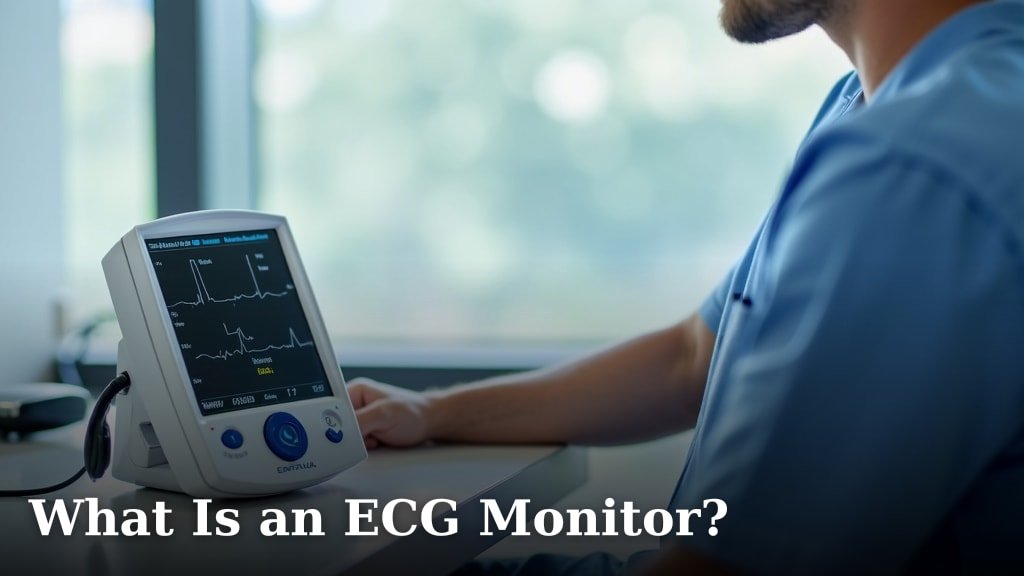
For a broader introduction to home devices, see ECG and EKG Devices Explained A Complete Guide for Home Heart Monitoring. To understand the role of an ECG monitor in more detail, read What Is an ECG Monitor?.
What does a pulse rate tell you compared with an ECG?
A pulse rate tells you how many beats per minute you have at the time of the reading. It does not show the electrical pattern behind those beats.
An ECG trace shows electrical signals over time. That makes it more relevant when the question is about recorded heart rhythm, although interpreting a trace and deciding what it means should involve a clinician.
A normal looking pulse number cannot rule out a rhythm issue. Likewise, an ECG device's display is not a complete diagnosis.
Which monitor fits your reason for checking?
Choose by the question you want to answer: oxygen saturation, pulse, or recorded electrical activity. A device is useful only when its measurement matches that question.
Choose a pulse oximeter if you want a quick SpO2 and pulse reading for a nonmedical sports or aviation use. The Zacurate models are described for sports and aviation use, and the product information states that they are not medical devices.
Choose an ECG monitor if you want to record and store ECG signals for home health care use. The EMAY 6L also displays heart rate and can connect to a phone or computer.
For more context on why electrical recordings differ from a pulse check, see Why Home EKG is Better Than Just Pulse Checks and Heart Rate vs. ECG: Why Pulse Isn’t Enough.
What can the Zacurate pulse oximeters tell you?
Both Zacurate models measure SpO2, pulse rate and pulse strength, not ECG signals. Choose between them by color and the included details that matter to you.
The Pro Series 500DL in Mystic Purple includes 2 AAA batteries, a silicone cover and a lanyard. Its display faces the user, and it is designed for ages 12 and above.
The Royal Black 500 Series also includes 2 AAA batteries, a silicone cover and a lanyard. Its stated SpO2 range is 70% to 100%, and its pulse rate range is 30 to 250 beats per minute.
These are sports and aviation use devices, not medical devices. Don't use their readings to diagnose or rule out a health problem.
When is a fingertip reading useful?
A fingertip reading can give you a quick snapshot of oxygen saturation and pulse. It won't show the heart's electrical rhythm or save an ECG recording.
For consistent readings, follow the device instructions and account for factors that can affect a finger measurement, such as low blood flow or cold hands. A single number should be interpreted in context rather than treated as a diagnosis.
If you need medical monitoring, follow a clinician's advice on the right equipment and how to respond to results. Seek care for concerning symptoms rather than waiting for a home device to settle the question.
What does the EMAY 6L add?
The EMAY 6L adds ECG signal recording and storage, with heart rate display. It connects to a mobile phone by Bluetooth or a computer by USB.
Its software includes sample mode, time setting, case upload and review, and measurement functions. It uses a built-in rechargeable lithium battery, and no subscription is required.
The device is intended for over-the-counter use. It is not intended to substitute for a hospital diagnostic ECG device, and people with an implanted pacemaker are not recommended to use it.
A saved recording can be useful to discuss with a clinician, but the device does not replace professional interpretation. Ask a clinician whether a home ECG is appropriate for your needs.
Does an ECG monitor replace a pulse oximeter?
No, an ECG monitor doesn't provide the oxygen saturation measurement a pulse oximeter is designed to give. The two devices are complementary only when you have a reason to collect both kinds of information.
A heart rate shown on an ECG device is not the same as SpO2. Likewise, pulse rate on an oximeter doesn't become an ECG just because it displays a number about the heart.
Avoid buying both simply to collect more data. First identify what you need to monitor, then ask a health professional whether home measurements can help answer that question.
How should you compare these home monitors?
Compare the measurement, intended use, connection needs and limits before choosing. Color or portability matters after the device can provide the type of reading you need.
| Monitor | Measures or records | Choose it when |
|---|---|---|
| Zacurate Pro Series 500DL | SpO2, pulse rate and pulse strength | You want fingertip readings for sports or aviation use |
| Zacurate 500 Series | SpO2, pulse rate and pulse strength | You want the same measurement types in a black model |
| EMAY 6L | ECG signals and heart rate | You want to record and store ECG signals at home |
| EVGRDCS case | No measurement | You need a carrying case compatible with the EMAY 6L |
The EVGRDCS case is an accessory, not a monitor. Its elastic band holds the EMAY 6L, and a mesh pocket stores cables and other accessories.
For device options and their roles, explore Best ECG Monitor For Home Use and What Is the Best ECG Monitor for Home Use?. Check with a clinician before relying on any home device to guide care.
Which should you choose?
Pick a pulse oximeter if you need SpO2 and pulse readings; pick an ECG monitor if you need an electrical heart recording. Choose both only when both measurements serve a specific purpose.
The Zacurate fingertip models cover oxygen saturation and pulse checks for sports and aviation use. The EMAY 6L records ECG signals for home health care use, with clear limits around diagnosis and hospital ECG replacement.
If your concern is a symptom, a number or an irregular rhythm, contact a health professional for guidance. The device choice should support that conversation, not delay it.
Frequently asked questions
Does a pulse oximeter measure heart rhythm?
A pulse oximeter measures oxygen saturation and pulse rate, but it does not record the heart's electrical activity. A pulse rate can show how fast your pulse is at that moment, while an ECG recording captures electrical signals that can help a clinician assess rhythm.
Can an ECG monitor measure oxygen levels?
An ECG monitor records electrical heart signals, and it does not replace a pulse oximeter for oxygen saturation readings. If you need both types of information, they require separate measurements from devices designed for each purpose.
Which home monitor should I choose for an irregular heartbeat?
An ECG monitor records electrical heart activity, so it may provide information relevant to a rhythm concern; a pulse oximeter reports pulse rate and oxygen saturation. Neither device alone diagnoses a condition.
Discuss recurring symptoms or readings with a health professional.
Can the EMAY 6L replace a hospital ECG?
No. The EMAY 6L is intended for over-the-counter use and its maker says it is not intended to substitute for a hospital diagnostic ECG device.
Follow a clinician's advice about evaluation and care, especially if you have symptoms or an implanted pacemaker.
Should I buy both a pulse oximeter and an ECG monitor?
Buy both only if you have a clear reason to track oxygen saturation as well as record electrical heart activity. They answer different questions, and more home readings do not replace medical advice.
Ask a clinician which measurements, if any, fit your situation.