8 Best Heart Rate Monitors for Peloton Bikes (October 2026)
The best heart rate monitors for Peloton bikes include the COOSPO H6 Heart Rate Monitor Chest Strap for dual-mode riders, the COOSPO Armband Heart Rate Monitor for chest strap avoiders, and the COROS Heart Rate Monitor for multi-device setups.
On this page (6 sections)
- Which heart rate monitors work well with Peloton bikes?
- How do you choose the best heart rate monitor for a Peloton bike?
- What should you check before pairing a monitor with Peloton?
- How should you wear and care for a Peloton heart rate monitor?
- Will a heart rate monitor change your Peloton zones?
- Which heart rate monitor should you pick for a Peloton bike?
The COOSPO H6 is the best heart rate monitor for Peloton bike riders who want a chest strap with Bluetooth and ANT+. If you prefer an arm sensor, look at the COOSPO armbands or Scosche Rhythm; choose COROS when Bluetooth pairing with several devices matters more than ANT+.
A compatible monitor can send your heart rate to the bike so you can follow the class's heart rate cues. Your best fit depends on how you like to wear a sensor, what connection your equipment supports, and how often you want to recharge or replace a battery.
This guide compares chest straps and armbands with Peloton support or useful connection options. The picks cover different wearing styles, battery routines and training features, so start with fit and compatibility before comparing extras.
Our picks at a glance
-
1
 Best for dual-mode riders
COOSPO H6 Heart Rate Monitor Chest Strap
9.7/10 our score
See it on Amazon -
2

-
3

- 4
 Check it
Scosche Rhythm Heart Rate Monitor Armband
Best for flexible arm placement - 5
 Check it
GEOID HS500 Heart Rate Monitor
Best for fewer battery swaps - 6
 Check it
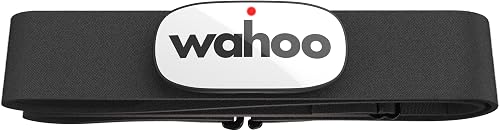
WAHOO TRACKR Heart Rate Monitor
Best for rechargeable chest wear - 7
 Check it
COOSPO Heart Rate Monitor Armband HW807
Best for zone light cues - 8
 Check it
COOSPO HW9 Heart Rate Monitor Bluetooth ANT+
Best for vibration cues
Which heart rate monitors work well with Peloton bikes?
The best heart rate monitors for Peloton bikes pair a comfortable fit with a connection your equipment supports. The COOSPO H6 is the clearest chest strap match because it specifically names Peloton bike support and offers Bluetooth and ANT+.
A sensor can be well suited to exercise and still fail to pair with a particular setup. Look for explicit Peloton compatibility when available, and check your bike's connection options before buying a model whose compatibility is described in broader terms.
If you already own a Peloton heart rate monitor, check its battery and pairing before replacing it. These troubleshooting steps for a Peloton heart rate monitor that is not charging can help you rule out a power issue.
| Product | Best for | Style | Connections | Battery | Our score |
|---|---|---|---|---|---|
| COOSPO H6 Heart Rate Monitor Chest Strap | dual-mode riders | Chest strap | Bluetooth and ANT+ | CR2032; up to 300 hours | 9.7 |
| COOSPO Armband Heart Rate Monitor | chest strap avoiders | Armband | Bluetooth and ANT+ | Rechargeable; up to 25+ hours per charge | 9.6 |
| COROS Heart Rate Monitor | multi-device setups | Armband | Bluetooth only | Up to 38 hours per charge | 9.5 |
| Scosche Rhythm Heart Rate Monitor Armband | flexible arm placement | Armband | Bluetooth and ANT+ | Up to 24 hours | 9.4 |
| GEOID HS500 Heart Rate Monitor | fewer battery swaps | Chest strap | Bluetooth and ANT+ | CR2032; up to 800 hours | 9.3 |
| WAHOO TRACKR Heart Rate Monitor | rechargeable chest wear | Chest strap | Bluetooth and ANT+ | Over 100 hours of active use stated | 9.0 |
| COOSPO Heart Rate Monitor Armband HW807 | zone light cues | Armband | Bluetooth 5.0 and ANT+ | Up to 20 hours per charge | 8.8 |
| COOSPO HW9 Heart Rate Monitor Bluetooth ANT+ | vibration cues | Armband | Bluetooth 5.0 and ANT+ | Up to 35 hours per charge | 8.3 |
COOSPO H6 Heart Rate Monitor Chest Strap: Best for dual-mode riders
- Bluetooth and ANT+
- Chest strap
- Peloton bike compatibility
- Replaceable CR2032 battery
The H6 combines a chest strap with Bluetooth and ANT+ connections, and it works directly with Peloton bikes. Its replaceable battery and broad device support suit riders who want a straightforward sensor.
Pros
- Bluetooth and ANT+ support
- Peloton bike compatibility
- Replaceable CR2032 battery
Cons
- Electrode areas need moisture before use
- Sensor should be separated from strap after a workout
The H6 is the strongest all-around match for riders who want a chest strap and flexible connections. It works directly with Peloton bikes, supports Bluetooth and ANT+, and uses a replaceable CR2032 battery.
Moisten the plastic electrode areas before wearing it, then adjust the strap so it sits securely against your chest. In dry winter conditions, the electrodes may need extra moisture for stable transmission.
The battery is rated for up to 300 hours. After each workout, separate the sensor from the strap, which helps keep the strap from staying connected when you are done.
Choose the H6 if you want a direct Peloton-compatible chest strap with both wireless connection types. If you are new to pairing a sensor, follow our guide to add a heart rate monitor to Peloton.
COOSPO Armband Heart Rate Monitor: Best for chest strap avoiders
- Optical armband sensor
- Bluetooth and ANT+
- Rechargeable
- Up to 25+ hours per charge
This COOSPO armband is a chest-strap alternative for riders who prefer an optical sensor on the arm. It supports Bluetooth and ANT+ and works with Peloton equipment.
Pros
- No chest strap
- Bluetooth and ANT+ support
- Rechargeable battery
Cons
- Up to 25+ hours per charge
- Not recommended for swimming
This COOSPO armband suits riders who do not want a chest strap. Its optical sensor supports Bluetooth and ANT+, and the compatibility details include Peloton equipment.
The rechargeable battery provides up to 25+ hours per charge, and the package includes 2 straps. That makes it a practical option if you want a spare strap available while the other is being washed or dried.
It is not recommended for swimming. For bike workouts, the main tradeoff is a rechargeable routine in place of a chest strap's replaceable coin cell.
Choose it if arm wear feels more comfortable to you and you want both Bluetooth and ANT+ support. Our guide to the Peloton heart rate band covers wearing and using a band during rides.
COROS Heart Rate Monitor: Best for multi-device setups
- Bluetooth connection
- Pairs with up to 3 devices
- Wear detection
- Up to 38 hours of operation
The COROS band pairs with up to 3 devices at once over Bluetooth, which can suit a setup involving a bike and other compatible devices. It does not support ANT+, so check that Bluetooth is the connection you need.
Pros
- Pairs with up to 3 devices
- Wear detection
- Soft, breathable fabric band
Cons
- Bluetooth only, with no ANT+
- Not intended for daily tracking
The COROS armband fits riders who want a sensor that can link with several devices at once. It can pair with up to 3 devices over Bluetooth, useful when your workout setup includes a bike and other compatible equipment.
The fabric band sits flat around the arm, and wear detection powers the monitor on or off based on whether it is being worn. It provides up to 38 hours of operation per charge and recharges with a magnetic cable.
COROS is Bluetooth-only, with no ANT+ support. It is designed for sports and activities rather than daily heart rate tracking, so skip it if you want an all-day monitor or your setup needs ANT+.
Choose it if Bluetooth multi-device pairing is a priority and your equipment supports Bluetooth. Its automatic wear detection also suits riders who want fewer manual power steps.
Scosche Rhythm Heart Rate Monitor Armband: Best for flexible arm placement
- Optical armband sensor
- Bluetooth and ANT+
- Up to 24 hours of battery life
- Peloton compatibility
Scosche's Rhythm armband supports Bluetooth and ANT+ and names Peloton among its compatible training platforms. Its adjustable strap can be worn on the forearm, bicep or tricep.
Pros
- Bluetooth and ANT+ support
- Multiple arm placement options
- Peloton named as a compatible platform
Cons
- Up to 24 hours of continuous battery life
- Some advanced recovery features may be unnecessary for basic bike workouts
The Scosche Rhythm offers an arm-worn optical sensor with Bluetooth and ANT+, and Scosche names Peloton among its compatible training platforms. The adjustable strap can be worn on the forearm, bicep or tricep, giving you several placement options.
Battery life is up to 24 hours of continuous use. The monitor also has an HRV mode that streams RR interval data to compatible apps, including HRV4Training, Morpheus Training and Welltory.
That recovery feature is useful only if you already use an app that accepts the data. For a straightforward Peloton ride, fit and pairing are the deciding factors.
Choose it if you want an armband you can position in different ways and want the option to send HRV data to a compatible app. See how to monitor heart rate variability daily if you want to understand how HRV tracking fits into a routine.
GEOID HS500 Heart Rate Monitor: Best for fewer battery swaps
- Chest strap sensor
- Bluetooth and ANT+
- Replaceable CR2032 battery
- Up to 800 hours of battery life
The HS500 is a chest strap with Bluetooth and ANT+ plus a replaceable CR2032 battery. Its stated battery life is long, but Peloton is not specifically named as compatible, so confirm that it pairs with your bike before choosing it.
Pros
- Bluetooth and ANT+ support
- Replaceable CR2032 battery
- Connection indicator light
Cons
- Peloton compatibility is not specifically stated
- Not recommended for swimming
The GEOID HS500 is a chest strap for riders who want a replaceable battery and fewer battery changes. For another chest-worn option, read our Suunto heart rate belt review.
It supports Bluetooth and ANT+, and a flashing light confirms the sensor is ready after you put it on.
Its CR2032 battery is rated for up to 800 hours. The sensor is described for several types of exercise, but Peloton compatibility is not specifically named.
That makes compatibility the key limit. Confirm that your bike can pair with the HS500 before choosing it; if you want a named Peloton match, the H6 is the more direct pick.
Choose it if battery life is high on your list and you can verify the connection with your equipment. Skip it if you want a product that specifically names Peloton compatibility.
WAHOO TRACKR Heart Rate Monitor: Best for rechargeable chest wear
- Chest strap
- Bluetooth and ANT+
- Rechargeable battery
- LED status indicator
Wahoo's TRACKR is a chest strap with Bluetooth and ANT+ connectivity and a rechargeable battery. Those connection options make it worth considering for Peloton riders, but verify support with your specific bike and setup.
Pros
- Bluetooth and ANT+ support
- Rechargeable battery
- LED indicates heart rate detection and connection
Cons
- Peloton compatibility is not specifically stated
- Confirm the connection you plan to use
The WAHOO TRACKR is a rechargeable chest strap with Bluetooth and ANT+. Its LED indicator shows heart rate detection, battery status and whether the sensor remains connected.
Wahoo describes over 100 hours of active battery life. The slim strap is designed to fit securely during exercise, and the rechargeable battery suits riders who prefer charging over replacing a coin cell.
Peloton is not specifically named among its compatible devices. Confirm support with your bike and intended connection before buying, particularly if you are choosing the TRACKR because you already use other Wahoo equipment.
Choose it if you want a rechargeable chest strap and have confirmed that its connection works with your Peloton setup. If you are replacing a sensor because of power trouble, review how to charge or replace a Peloton heart rate monitor battery first.
COOSPO Heart Rate Monitor Armband HW807: Best for zone light cues
- Optical armband sensor
- Bluetooth 5.0 and ANT+
- Color LED heart rate zones
- Up to 20 hours per charge
The HW807 is an armband with Bluetooth 5.0 and ANT+ support, and its color LEDs indicate heart rate zones. It works directly with Peloton bikes, making it an option if you want an optical sensor.
Pros
- Peloton bike compatibility
- Bluetooth and ANT+ support
- Color LED zone indicator
Cons
- Up to 20 hours per charge
- Not recommended for swimming
The COOSPO HW807 is an armband with stated Peloton bike compatibility and colored LEDs that indicate heart rate zones. It supports Bluetooth 5.0 and ANT+, so it can also suit riders who use other compatible fitness equipment.
Its rechargeable battery lasts up to 20 hours per charge. The zone lights provide a quick visual cue from the band, while the bike or connected app displays the information available in its own interface.
The HW807 is not recommended for swimming. Its shorter stated battery life makes it a better fit for riders who can keep it charged between classes.
Choose it if you want an optical arm sensor with Peloton compatibility and visible zone cues. If your current monitor stops responding, start with these checks for a Peloton heart rate monitor that is not working.
COOSPO HW9 Heart Rate Monitor Bluetooth ANT+: Best for vibration cues
- Optical armband sensor
- Bluetooth 5.0 and ANT+
- Heart rate zone LEDs
- Up to 35 hours per charge
The HW9 combines an optical armband with Bluetooth and ANT+ and offers a vibration warning when heart rate passes a chosen maximum. Peloton is named as compatible, though riders should confirm pairing with their equipment.
Pros
- Bluetooth and ANT+ support
- Vibration warning for a customized maximum
- Up to 35 hours per charge
Cons
- Maximum heart rate setting may need customization
- Confirm compatibility with your particular setup
The COOSPO HW9 is for riders who want an armband plus a vibration warning when heart rate goes above a selected maximum. It supports Bluetooth 5.0 and ANT+, includes colored zone LEDs, and is described as compatible with Peloton.
The rechargeable battery provides up to 35 hours per charge. You can customize the maximum heart rate in the Heartool or CooSporide app; the stated default is 200 bpm.
Set the maximum to a value that fits your training plan instead of assuming the default is right for you. The vibration is a workout cue, not a substitute for how you feel or for medical advice.
Choose it if you want an extra alert while training and prefer an optical arm fit. If you want a simpler sensor without vibration alerts, the H6 or COOSPO armband is a better match.
How do you choose the best heart rate monitor for a Peloton bike?
Choose a heart rate monitor for Peloton by matching the sensor's fit and connection to your bike, then consider battery and extra features. For lower-cost options, compare our budget heart rate monitors.
This order helps avoid paying attention to features you cannot use or buying a sensor you dislike wearing.
Start with chest strap versus armband. For a broader ease-of-use comparison, see easy-to-use heart rate monitors.
A chest strap stays against the chest and needs its electrode areas moistened before use; an optical armband sits on the arm and avoids chest wear.
Neither style is right for everyone, so think about what you will tolerate through a full class.
Next, confirm how the sensor connects. Bluetooth and ANT+ both appear among these picks, but the COROS supports Bluetooth only.
If you also want to pair a watch, phone or bike computer, check whether the sensor supports the number and type of connections your setup needs.
Battery routine is the next practical filter. Replaceable CR2032 models such as the H6 and HS500 do not need charging, while rechargeable straps and armbands need access to a charger between workouts.
Choose the routine you are more likely to maintain.
Finally, decide whether zone lights, vibration alerts or HRV data matter to you. Those features can help when they match a training habit, but they do not make basic heart rate display more useful if all you want is a reading during class.
What should you check before pairing a monitor with Peloton?
Check compatibility, turn on the sensor, and pair from the bike or app that will use the reading. A common mistake is trying to connect a monitor only through the phone's general Bluetooth settings when the sensor's instructions say to pair inside the app.
For the COOSPO H6, wet the electrode areas and turn on Bluetooth on your phone, then search for the sensor from the app or equipment. COOSPO advises against pairing the H6 from the phone's Bluetooth list; its sensor name may appear in a format like H6M-******.
If you are using ANT+, make sure the receiving device supports that protocol and search for the sensor there. For any model whose Peloton support is not specifically stated, confirm the connection with your exact bike setup before relying on it.
If pairing fails, check that the monitor is powered, positioned correctly and not already connected to another device. Then follow the model-specific reset or connection steps rather than repeatedly pairing it through different menus.
How should you wear and care for a Peloton heart rate monitor?
Wear the sensor snugly in the position its design requires, and keep the contact areas clean and ready for the next ride. A loose fit or dry chest electrodes can interrupt a reading, while a charged battery cannot correct poor contact.
For a chest strap, moisten the electrode areas before putting it on and adjust the band so it stays in place without feeling restrictive. Dry air may make the electrodes need more moisture, so repeat that step if the sensor has trouble connecting.
For an armband, place the band where it stays secure during movement and follow its fit guidance. Do not assume that an IP rating means the monitor is suitable for swimming: several products here explicitly advise against swimming.
After a workout, separate the H6 sensor from its strap. For rechargeable models, make charging part of your post-ride routine and check the battery before a longer class or workout block.
Will a heart rate monitor change your Peloton zones?
A heart rate monitor supplies the reading, while Peloton uses its own settings to show zones. Connecting a sensor does not make every device or app calculate zones in the same way.
If your zones look different from another rider's, check your profile settings and the method used to set your maximum heart rate. Our guide explains how Peloton calculates heart rate zones.
A zone light or vibration can make the sensor's own cues easier to notice, but it does not replace the bike's display or your training plan. Treat readings as workout information, not a medical diagnosis.
Which heart rate monitor should you pick for a Peloton bike?
Pick the COOSPO H6 if you want the clearest combination of a chest strap, dual connection support and stated Peloton compatibility. Choose the COOSPO Armband or HW807 if you prefer an optical sensor on your arm; choose COROS when Bluetooth multi-device pairing matters and ANT+ does not.
The Scosche Rhythm suits riders who want flexible arm placement and optional HRV app data. The HW9 adds vibration alerts, while the GEOID HS500 and WAHOO TRACKR are worth considering only after you confirm they pair with your particular Peloton setup.
If your current monitor is merely low on power, check its charging or battery steps before replacing it. Once you know you need another sensor, decide first whether chest or arm wear suits you, then choose a model with a connection your bike supports.
Our top 3 picks at a glance
-
1
Best for dual-mode riders
COOSPO H6 Heart Rate Monitor Chest Strap
9.7/10 our score
See it on Amazon -
2
-
3
Frequently asked questions
What kind of heart rate monitor works with a Peloton bike?
A compatible Bluetooth or ANT+ sensor can send heart rate data to a Peloton bike. The COOSPO H6, COOSPO armbands and Scosche Rhythm specifically name Peloton compatibility; for other sensors, verify your bike supports the connection you plan to use.
Is a chest strap or armband better for Peloton?
A chest strap suits riders who prefer a sensor held against the chest, while an armband avoids chest wear and uses an optical sensor on the arm. Fit is personal, so choose the style you can wear comfortably for a full class and check connection support.
Why won't my Bluetooth heart rate monitor connect to Peloton?
Confirm the sensor is on, then search for it from the bike or app you want to use. Some monitors advise pairing through the app or equipment instead of the phone's Bluetooth settings.
See why a Peloton heart rate monitor may not be working for more checks.
Can I use a Peloton heart rate monitor with other apps?
Some external heart rate monitors support Bluetooth or ANT+ connections to multiple compatible devices or apps. Check the sensor's connection limits and the app's requirements before trying to use it with more than one device, since a bike connection does not guarantee every app will pair.
Do I need a heart rate monitor for Peloton heart rate zones?
A compatible heart rate source is needed if you want the bike to display heart rate during class. Your zones depend on the settings used for your profile and training.
Read how Peloton calculates heart rate zones to understand what those zones represent.


