What Causes an Irregular Heartbeat?
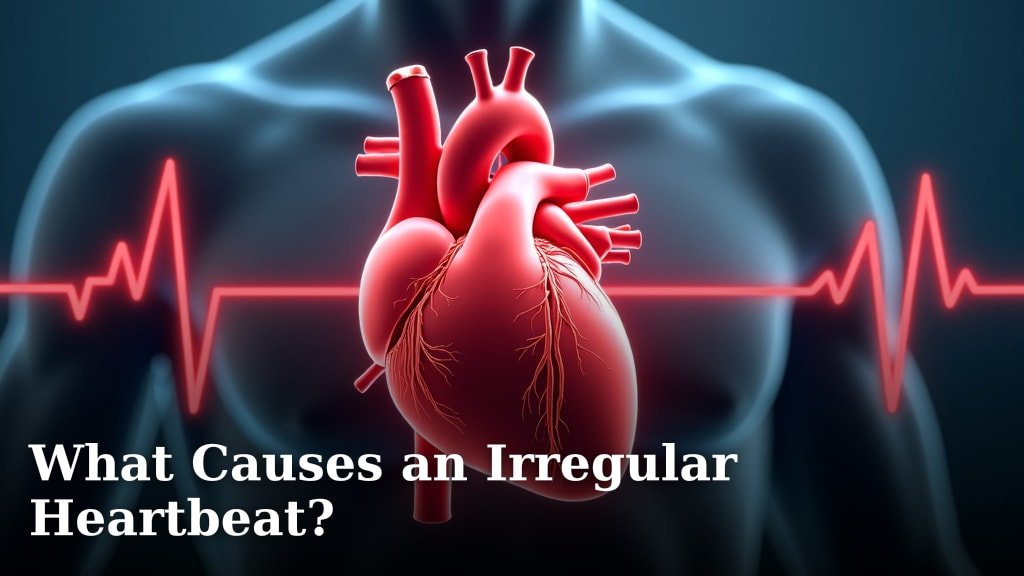
An irregular heartbeat, also known as an arrhythmia, happens when your heart beats either too fast, too slow, or with an uneven rhythm. This disruption occurs because of issues with the heart’s electrical impulses, which are responsible for its consistent pumping action. It can be caused by various factors, from everyday habits to underlying health conditions.
Many things can throw off your heart’s natural rhythm. Sometimes it’s something simple, like too much caffeine or stress. Other times, it could signal a more serious health issue, such as heart disease or blood pressure problems. Understanding the causes is the first step toward getting it resolved and feeling better.
TL;DR:
- An irregular heartbeat means your heart isn’t ticking steadily.
- It’s caused by glitches in your heart’s electrical system.
- Everything from coffee to serious health issues can be a trigger.
- Ignoring a persistent irregular heartbeat isn’t a good idea.
You might be wondering if your heart skips a beat from excitement, or if something more concerning is going on. We’ll walk you through the common causes and key things to know about your heart’s rhythm.
Understanding What Can Disrupt Your Heart’s Rhythm
Your heart is a hardworking muscle, and its steady beat is a marvel of nature. When that rhythm gets off-kilter, you might feel a flutter, a racing pulse, or even a skipped beat. These sensations can range from barely noticeable to quite alarming. We’re going to look into the many common reasons why your heart might decide to march to its own drum.
Sometimes, an irregular heartbeat, or arrhythmia, is nothing serious. Other times, it can be a signal that something deeper needs attention. Knowing the difference starts with understanding the causes.
Everyday Habits and Lifestyle Triggers
It might surprise you how much your daily routine can affect your heart’s rhythm. Simple things you consume or do can play a big role. Think about your morning coffee or that stressful deadline at work.
Caffeine, Alcohol, and Nicotine
That extra cup of coffee can feel like a lifeline, right? But for some people, too much caffeine acts as a stimulant. It can make your heart beat faster or cause palpitations. The same goes for energy drinks, which often have very high stimulant levels.
Alcohol also impacts your heart’s electrical system. Even moderate drinking can trigger an irregular heartbeat in some individuals. This is sometimes called “holiday heart syndrome” because it often happens after weekend or holiday celebrations. Nicotine, whether from cigarettes or vaping, is another big culprit. It constricts blood vessels and stresses your heart, leading to rhythm disturbances (American Heart Association).
Stress and Anxiety
Have you ever felt your heart pound when you’re nervous or worried? That’s your body’s “fight or flight” response kicking in. Stress hormones like adrenaline surge through your system. This can temporarily throw your heart’s rhythm out of sync. Ongoing stress can make this a more frequent issue.
Chronic anxiety keeps your body in a state of heightened alert. Over time, this constant stress can contribute to persistent irregular heartbeats. Learning to manage stress is key for many aspects of your health, including your heart.
Lack of Sleep
Sleep is a time for your body to repair and recharge. When you don’t get enough restful sleep, your body remains under stress. This can affect your heart’s ability to maintain a steady rhythm. Many studies have shown a link between poor sleep quality and an increased risk of irregular heartbeats (Sleep Foundation).
Underlying Medical Conditions Affecting Heart Rhythm
While lifestyle choices are important, sometimes an irregular heartbeat points to a medical condition. These conditions often directly impact your heart or its surrounding systems.
Heart Disease and Structural Problems
Any damage or abnormality in your heart can affect its electrical signals. Conditions like coronary artery disease, which narrows the heart’s arteries, can starve the heart muscle of oxygen. This can create areas in the heart that don’t conduct electrical signals properly.
Previous heart attacks can leave scar tissue. This scar tissue can interfere with the normal flow of electrical impulses. Heart valve problems, where valves don’t open or close correctly, also add strain to the heart. Over time, this strain can lead to an irregular rhythm. An enlarged heart (cardiomyopathy) can also be a factor.
High Blood Pressure
Persistently high blood pressure forces your heart to work harder to pump blood. This extra effort can lead to the thickening of heart muscle walls. An enlarged or strained heart muscle is more prone to developing electrical abnormalities. Over time, uncontrolled high blood pressure is a significant risk for various heart rhythm disorders.
Thyroid Disorders
Your thyroid gland, a small gland in your neck, produces hormones that regulate your metabolism. Too much thyroid hormone (hyperthyroidism) can speed up many bodily processes, including your heart rate. This often leads to a fast and irregular heartbeat, like a fluttering sensation. Conversely, too little thyroid hormone (hypothyroidism) can slow your heart rate, sometimes causing other rhythm issues.
Electrolyte Imbalances
Electrolytes are minerals like potassium, sodium, calcium, and magnesium. They carry electrical charges essential for muscle and nerve function, including your heartbeat. If these levels are too high or too low, it can disrupt your heart’s electrical stability. For example, low potassium levels are a known trigger for certain arrhythmias.
Dehydration, certain medications, and kidney problems can all cause electrolyte imbalances. It’s a delicate balance that your body tries to maintain (National Institutes of Health).
Medications and Other Factors
Sometimes, the very remedies you take for other conditions can have side effects that touch your heart’s rhythm. It’s always good to be aware of possible interactions.
Certain Medications
A range of prescription and over-the-counter drugs can sometimes cause an irregular heartbeat. These include some cold and allergy medicines containing decongestants, certain asthma inhalers, and even some dietary supplements. Always read the labels and discuss any concerns with your doctor or pharmacist. Some anti-depressants, antipsychotics, and stimulant medications can also affect heart rhythm.
It’s important to remember that these are potential side effects, not guarantees. Your doctor can help you weigh the benefits and risks of your medications.
Sleep Apnea
Sleep apnea is a condition where your breathing repeatedly stops and starts during sleep. These pauses in breathing cause dips in your blood oxygen levels and put stress on your heart. We find that people with untreated sleep apnea have a higher risk of developing irregular heartbeats. This includes conditions like atrial fibrillation.
When to Seek Medical Advice for an Irregular Heartbeat
It can be tough to know when an irregular heartbeat is just a benign flutter or something more serious. Your body often gives signals. Pay attention to how you feel.
Here’s a quick checklist of symptoms that warrant a conversation with your doctor:
- Frequent skipped or extra beats: If it happens regularly or you notice it often.
- Persistent racing heart: If your heart rate feels consistently very fast, even at rest.
- Sudden onset of symptoms: If an irregular beat comes on surprisingly and intensely.
- Dizziness or lightheadedness: If you feel faint when your heart rhythm is off.
- Chest pain or discomfort: This is a warning sign often needing immediate attention.
- Shortness of breath: If you struggle to catch your breath along with an irregular rhythm.
Don’t hesitate to contact your healthcare provider if you have any of these symptoms. They can help figure out what’s going on and ensure your heart is healthy. Sometimes, a quick check-up can put your mind at ease. Other times, it might uncover a treatable condition. Always listen to your body’s signals.
Summarizing the Causes of an Irregular Heartbeat
Many factors can contribute to an irregular heartbeat. It’s not always one single thing, but often a combination. From what you eat and drink to underlying health issues, your heart’s rhythm is responsive to your body’s overall state. We found that understanding these causes is the first step toward better heart health.
Remember, your heartbeat is your internal rhythm section. When it’s off, it’s worth investigating. Take care of your heart, and it will take care of you.
| Category | Common Causes | Potential Effect on Heart Rhythm |
|---|---|---|
| Lifestyle | Caffeine, Alcohol, Nicotine, Stress, Sleep Deprivation | Increased heart rate, palpitations, skipped beats, general irritability of heart muscle |
| Heart Conditions | Coronary Artery Disease, Heart Attack Scarring, Valve Issues, Enlarged Heart | Disrupted electrical pathways, strain on heart, inefficient pumping |
| Other Medical Conditions | High Blood Pressure, Thyroid Disorders, Sleep Apnea, Diabetes | Increased heart workload, hormonal imbalances, reduced oxygen, nerve damage |
| Chemical Imbalances | Electrolyte Imbalances (Potassium, Sodium, Calcium, Magnesium) | Direct interference with electrical signals needed for heart contractions |
| Medications | Decongestants, Asthma Inhalers, Some Blood Pressure Meds, Antidepressants | Can act as stimulants or affect the heart’s electrical conduction system as a side effect |
Conclusion
You’ve seen how many things can affect your heart’s rhythm, from daily habits to more serious health conditions. Your heart is an amazing organ, and even small changes can signal a need for attention. We found that understanding these potential causes is your first step in maintaining good health.
If you’re noticing frequent or concerning irregular heartbeats, don’t wait. Listen to your body and talk to your doctor. They can help determine the cause and guide you toward the right solutions for a healthy, steady heart.
Frequently Asked Questions
Can dehydration cause an irregular heartbeat?
Yes, dehydration can impact your heart’s rhythm. When you’re dehydrated, your body’s electrolyte balance can be thrown off. Electrolytes are crucial for proper heart function, and imbalances can lead to arrhythmias.
Is it normal to have occasional skipped heartbeats?
Many people experience occasional skipped heartbeats, also called premature ventricular contractions (PVCs), which are often harmless. However, if they become frequent, persistent, or are accompanied by other symptoms, you should consult a doctor.
Can certain exercises trigger an irregular heartbeat?
For some individuals, especially those with underlying conditions, intense exercise can temporarily trigger an irregular heartbeat. It’s important to listen to your body and discuss any exercise-related heart symptoms with your healthcare provider.
Does a low-carb diet affect heart rhythm?
While often healthy, some very restrictive low-carb diets can sometimes lead to electrolyte imbalances, particularly if you’re not getting enough potassium and magnesium. These imbalances can potentially affect your heart’s rhythm, so discussing diet changes with a doctor is wise.
How does sleep apnea cause irregular heartbeats?
Sleep apnea causes repeated interruptions in breathing, leading to drops in oxygen levels and surges in stress hormones. This repeated stress on your heart overnight can contribute to developing various irregular heart rhythms, including atrial fibrillation.