Why Is My ECG Monitor Showing High Heart Rate?
An ECG monitor showing a high heart rate often points to several factors, including physical activity, stress, caffeine intake, or underlying health conditions. Your heart rate is a dynamic measure,…

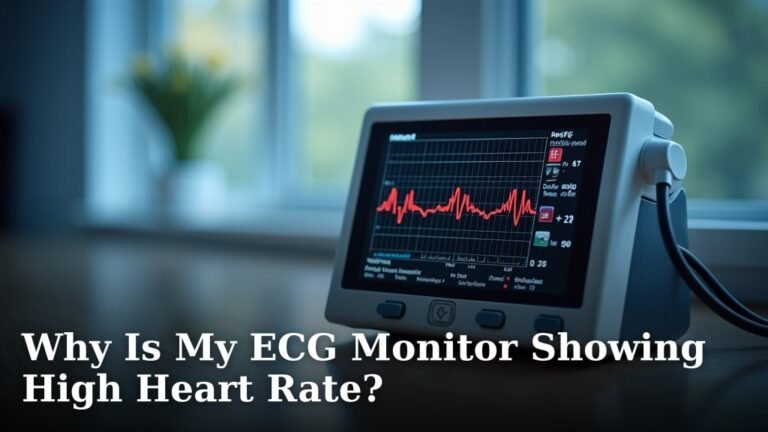
An ECG monitor showing a high heart rate often points to several factors, including physical activity, stress, caffeine intake, or underlying health conditions. Your heart rate is a dynamic measure,…
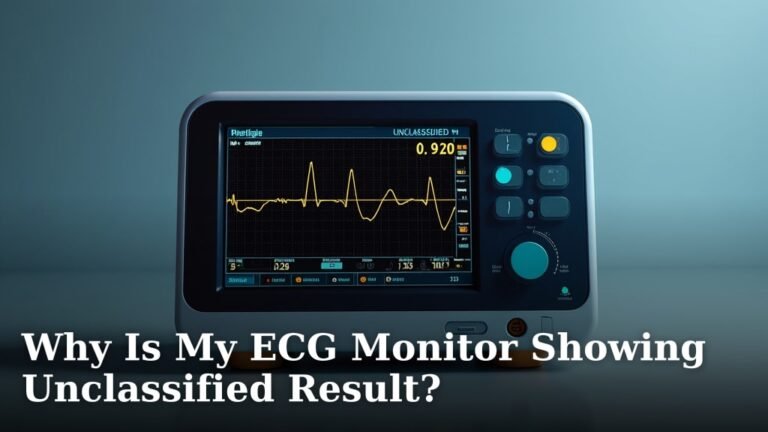
Your ECG monitor is showing an “unclassified” result because the device couldn’t confidently match your heart rhythm to its pre-programmed definitions of normal or common arrhythmias. This doesn’t automatically mean…
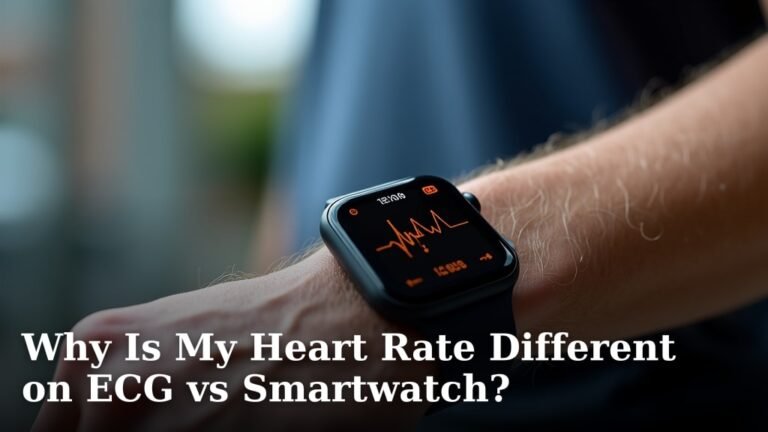
Your heart rate is different on an ECG vs smartwatch primarily because of their measurement methods and accuracy levels. An ECG (electrocardiogram) provides a medical-grade, detailed electrical reading of your…
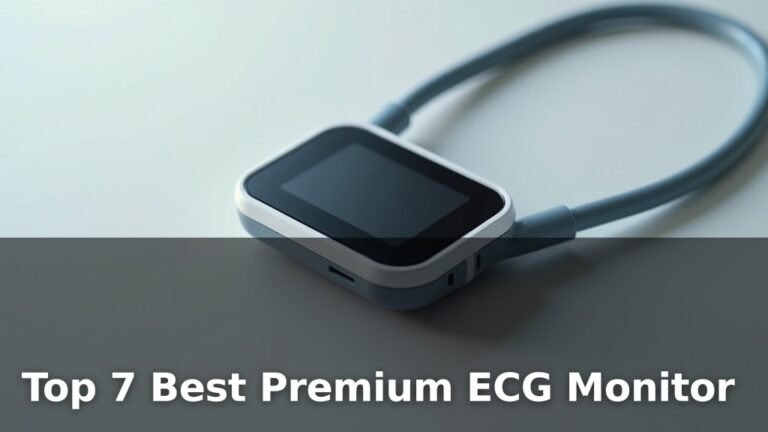
The best premium ECG monitors are the KardiaMobile 6L Max EKG (Comprehensive Arrhythmia Detection), KardiaMobile 6L Max EKG (Advanced Heart Monitoring), and the KardiaMobile 6L EKG Monitor (Detailed Heart Analysis),…
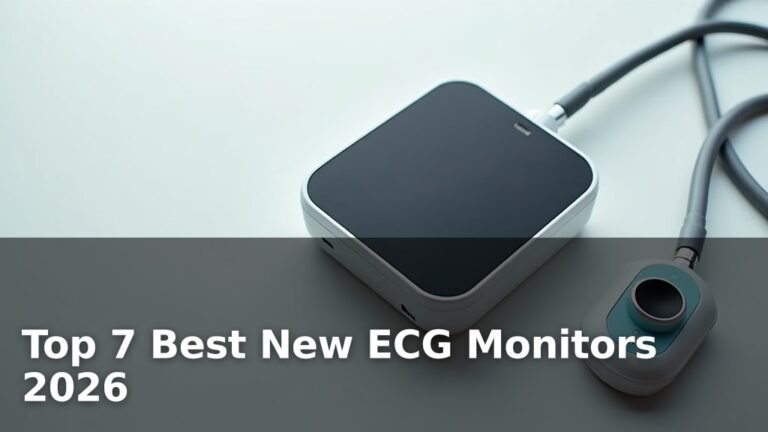
The best new ECG monitors for 2026 are the KardiaMobile 6L Max EKG, the KardiaMobile 6L EKG Monitor, and the EMAY 6L Portable ECG Monitor, chosen for their advanced monitoring…
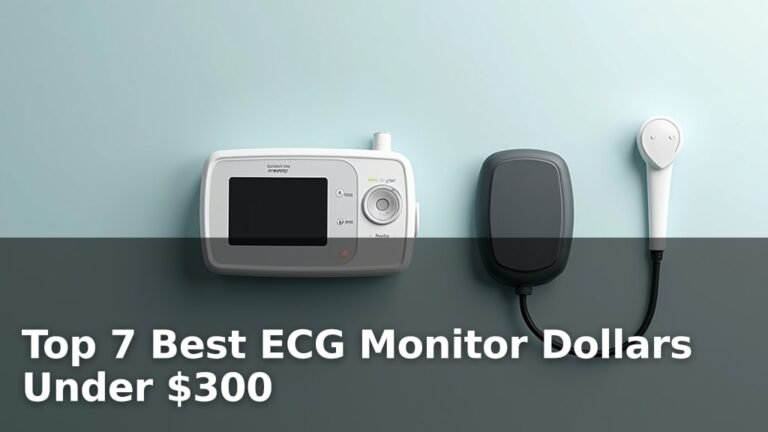
The best ECG monitors under $300 for at-home heart health monitoring include the KardiaMobile 6L Max EKG + Membership for comprehensive management, and the KardiaMobile 6L EKG Monitor for advanced…
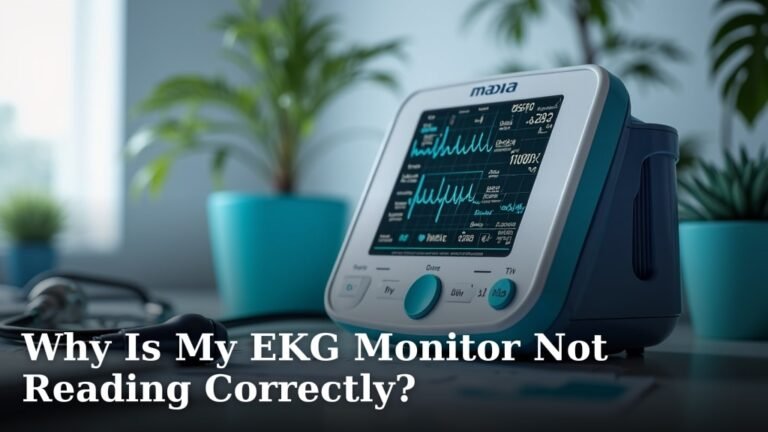
Your EKG monitor is likely not reading correctly because of poor electrode contact, device malfunction, or user error. These common issues can lead to inaccurate or missing heart rhythm data….

Your KardiaMobile is not connecting to your phone most often because of Bluetooth issues, low device battery, or app glitches. Sometimes, a simple restart of your phone or the KardiaMobile…
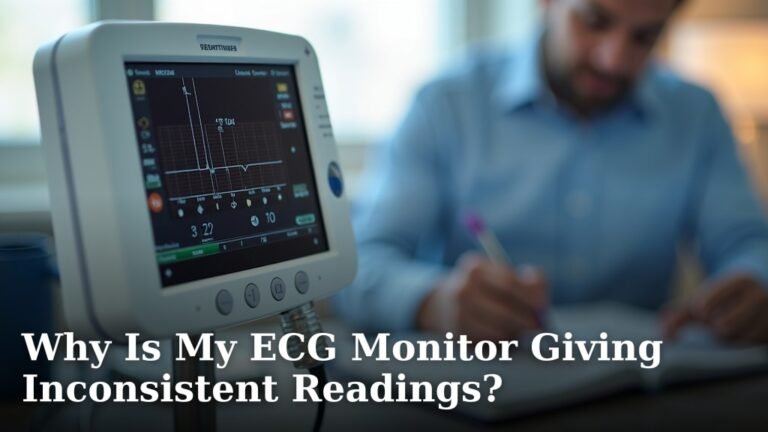
Your ECG monitor is likely giving inconsistent readings due to issues with electrode placement, poor skin contact, or movement during the test. We found that technical glitches and certain medical…

No, an ECG monitor cannot replace your regular doctor visits. While these devices offer helpful insights into your heart’s electrical activity, they are not a substitute for professional medical care….