Can an ECG Monitor Detect a Stroke?
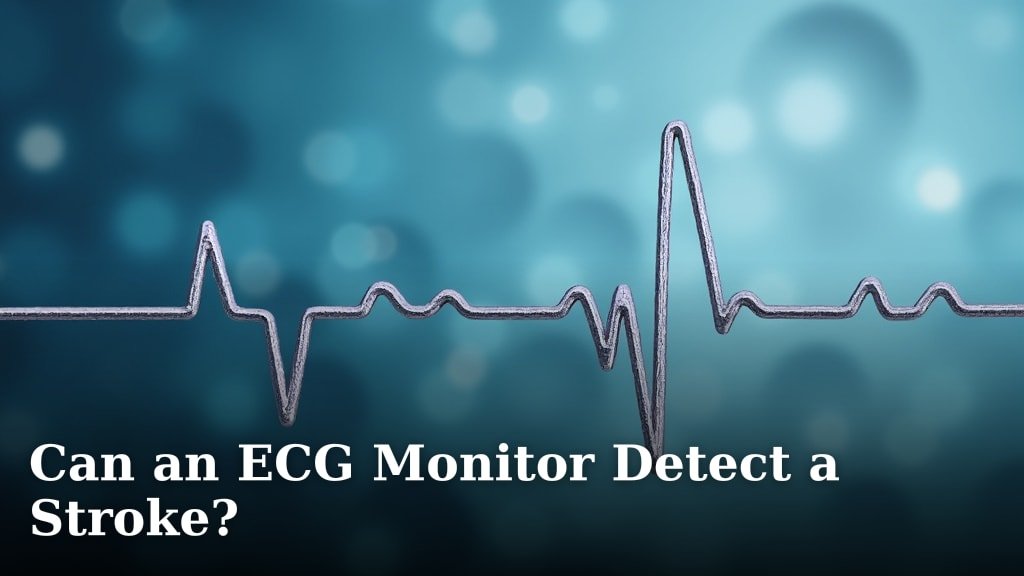
No, an ECG monitor cannot directly detect a stroke. An electrocardiogram (ECG) primarily measures your heart’s electrical activity. While it doesn’t show a stroke, it can identify heart conditions that increase your stroke risk.
Your heart and brain are closely linked. An ECG might reveal problems like atrial fibrillation, a common cause of stroke. Catching these heart issues early is super important for your health.
- An ECG tracks heart rhythm, not brain issues.
- It identifies heart problems that can lead to strokes.
- Atrial fibrillation is a big stroke risk factor.
- Early detection of heart issues helps prevent strokes.
Let’s dive deeper into how an ECG works and what it truly tells us about your stroke risk. We’ll explore the connection between your heart and brain health.
Understanding the ECG’s Role: Not a Stroke Detector
An ECG (Electrocardiogram) measures your heart’s electrical signals. Think of it like mapping out the tiny electrical impulses that make your heart beat. It’s fantastic for checking heart health. However, it looks only at your heart, not your brain.
You might wonder, “If it doesn’t see my brain, how can it help with stroke?” Good question! While it doesn’t directly spot a stroke, it’s a vital tool for finding heart problems that can cause strokes.
What Exactly Does an ECG Show Us?
When you have an ECG, small sensors (electrodes) are placed on your chest, arms, and legs. These sensors pick up the electrical activity of your heart. This activity is then recorded as waves on a piece of paper or a screen. What does all that squiggly line mean?
- Heart Rate: How fast your heart is beating.
- Heart Rhythm: Is your heartbeat regular or irregular?
- Heart Damage: Signs of a past heart attack or reduced blood flow.
- Heart Chamber Size: If any of your heart’s chambers are enlarged.
Doctors use this information to diagnose many heart conditions. It’s a quick, painless test that provides a lot of data about your heart’s health (Mayo Clinic).
The Connection Between Your Heart and Stroke Risk
Your heart and brain are an amazing team, but problems in one can affect the other. When your heart isn’t working right, it can sometimes send trouble straight to your brain. This is where the ECG steps in as a valuable detective.
We found that many types of strokes, particularly ischemic strokes (the most common kind), happen when a blood clot blocks an artery going to the brain. Where do some of these clots come from? Often, from your heart.
Atrial Fibrillation: A Major Culprit
One of the biggest heart conditions an ECG can reveal is atrial fibrillation (AFib). This is an irregular, often very rapid heart rhythm that can cause blood to pool and clot in your heart’s upper chambers. These clots can then travel to your brain, causing a stroke.
Finding AFib with an ECG is incredibly important. Many people don’t even know they have it because it can have no symptoms. But catching it early means you can start treatment to reduce your stroke risk significantly (CDC).
Other Heart Conditions and Stroke Risk
AFib isn’t the only heart condition linked to stroke. An ECG can also help identify:
- Heart Attack History: A damaged heart from a previous heart attack can sometimes lead to weaker pumping, increasing clot risk.
- Heart Failure: When your heart doesn’t pump blood effectively, it can affect blood flow to the brain.
- Valve Problems: Issues with heart valves can sometimes create conditions for clots.
So, while the ECG doesn’t see the stroke itself, it’s like a radar for stormy weather brewing in your heart that could impact your brain.
When a Stroke Happens: What Tests Are Actually Used?
If you or someone you know is having a stroke, quick action is critical. An ECG is not the first test doctors reach for in an emergency stroke situation. Different tools are used to diagnose a stroke directly.
Emergency Stroke Diagnosis: The Tools Doctors Use
When someone arrives at the hospital with suspected stroke symptoms, doctors need to act fast. They use imaging tests that can literally “see” what’s happening in the brain.
- CT Scan (Computed Tomography): This is often the first test. It uses X-rays to create detailed images of the brain. A CT scan can quickly show if there’s bleeding in the brain (hemorrhagic stroke) or rule it out.
- MRI (Magnetic Resonance Imaging): An MRI uses strong magnets and radio waves to create even more detailed pictures of the brain. It’s excellent for finding ischemic strokes (clots) and identifying the exact location and extent of brain damage.
These brain scans are the true heroes for diagnosing a stroke. They help doctors decide on the best emergency treatment, like clot-busting medications or surgery (National Institute of Neurological Disorders and Stroke).
Why an ECG is Still Part of the Stroke Workup
Even though an ECG doesn’t diagnose the stroke itself, you’ll almost always get one if you’ve had a stroke. Why? Because doctors need to find the cause of the stroke.
Once the immediate danger is managed, your care team will investigate. They’ll look for those underlying heart conditions that might have led to the stroke. Finding these causes helps prevent future strokes.
So, an ECG might not be the “what” of a stroke, but it’s often key to understanding the “why.”
Preventing Stroke: Your Heart Health Checklist
Knowing your stroke risk and taking steps to protect your heart is one of the best things you can do for yourself. Think of it as being proactive about your health, rather than reactive.
Here’s a quick checklist to help you stay on top of your heart health:
- Talk to your doctor about your personal stroke risk.
- Get regular check-ups, including blood pressure and cholesterol screenings.
- Ask your doctor if an ECG is right for you, especially if you have risk factors for heart disease or AFib.
- Eat a balanced diet rich in fruits, vegetables, and whole grains.
- Aim for regular physical activity – even a brisk walk daily can make a difference.
- Manage conditions like high blood pressure and diabetes effectively.
- If you smoke, try to quit. Smoking greatly increases stroke risk.

Key Differences: ECG vs. Brain Scans for Diagnosis
It’s helpful to understand the different roles these diagnostic tools play. They’re like different specialists, each with their own area of expertise.
| Feature | ECG (Electrocardiogram) | CT/MRI Scan (Brain Imaging) |
|---|---|---|
| Primary Focus | Heart’s electrical activity | Brain structure and blood flow |
| Detects Stroke Directly? | No | Yes (ischemic or hemorrhagic) |
| Detects Stroke Cause? | Yes (e.g., AFib, heart damage) | Indirectly, by showing blood vessel issues |
| Used in Stroke Emergency? | Usually not first-line, but part of workup | Yes, often the first and most critical test |
| Main Goal | Assess heart health, identify stroke risk factors | Diagnose stroke type, locate damage, guide acute treatment |
As you can see, both are important, but they serve very different purposes. Knowing this helps you understand why your doctor might order one over the other in different situations.
The Takeaway: Trust Your Doctors and Stay Informed
It can feel like a lot to keep track of, but the main point is simple: an ECG is a fantastic tool for your heart, and by extension, for helping prevent a stroke by identifying heart problems. It just isn’t the test that tells you if a stroke is happening right now.
If you’re ever concerned about your heart health or stroke risk, please talk to your doctor. They can guide you through the right tests and preventive steps. Your health is a team effort, and you are the most important player!
Conclusion
While an ECG can’t directly spot a stroke, it’s a powerful tool for understanding your heart health and stroke risk. It helps doctors find conditions like AFib that can lead to strokes. Think of it as an early warning system for your heart.
By identifying these underlying heart issues, an ECG plays a big part in preventing future strokes. If you have concerns about your heart or stroke risk factors, don’t hesitate to talk to your doctor. Knowing your risk is the first step toward protecting your health.
Frequently Asked Questions
Can an ECG tell if I’ve had a stroke in the past?
No, an ECG cannot directly show if you’ve had a past stroke. It focuses on your heart’s electrical activity. Doctors would use brain imaging like an MRI or CT scan to look for signs of a previous stroke.
If my ECG is normal, does that mean I won’t have a stroke?
A normal ECG is good news for your heart rhythm. However, it doesn’t guarantee you won’t have a stroke. Other factors like high blood pressure, cholesterol, or lifestyle choices still play a role. Your doctor considers all these risks together.
How long does an ECG take, and does it hurt?
An ECG is a quick and painless test. It usually takes about 5 to 10 minutes to complete. Electrodes are simply placed on your skin and then removed without any discomfort.
Should I ask for an ECG if I’m worried about stroke?
If you’re concerned about your stroke risk, discussing it with your doctor is a great idea. They can assess your overall health, risk factors, and decide if an ECG or other tests are appropriate for you. They’ll guide your next steps.
What are the main symptoms of a stroke to look out for?
Recognize the acronym FAST: Face drooping, Arm weakness, Speech difficulty, Time to call 911. These are critical signs of a stroke. Seek immediate medical help if you notice any of these symptoms.