How to Choose an ECG Monitor for Elderly Parent?
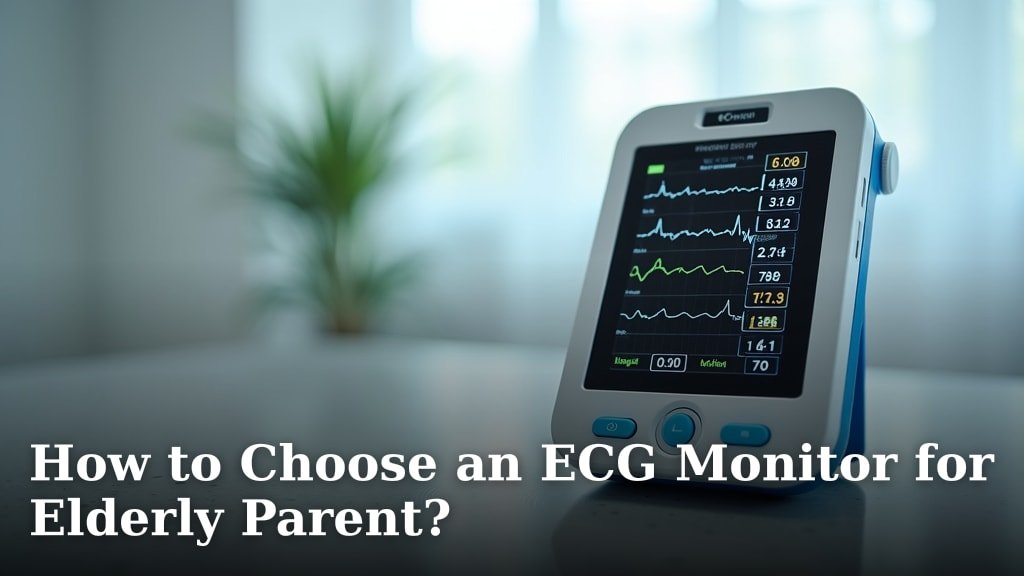
To choose an ECG monitor for your elderly parent, focus on devices that are easy to use, offer clear results, and provide reliable data for their doctor. You want something that fits their lifestyle.
Finding the right monitor can feel overwhelming. Many options exist, from simple wrist devices to more advanced patch monitors. We found that considering your parent’s comfort and their specific heart condition is key. Don’t forget doctor recommendations!
- Understand different ECG monitor types.
- Prioritize ease of use for seniors.
- Look for accurate and reliable data.
- Consider cost and insurance coverage.
- Involve their doctor in the decision.
Let’s walk through how to select the best ECG monitor for your parent, ensuring peace of mind for everyone.
Selecting an ECG Monitor for Your Elderly Parent
Choosing the right ECG monitor for an older parent involves a thoughtful approach. You want a device that’s effective and easy for them to use, fitting seamlessly into their daily life. Let’s break down the key considerations.
Understanding Different Types of ECG Monitors
Before you choose, it helps to know what’s out there. ECG monitors come in various forms, each with its own benefits and drawbacks. We found that the best type often depends on your parent’s specific health needs and comfort level.
Single-Lead vs. Multi-Lead Devices
You’ll often hear about single-lead and multi-lead options. A single-lead ECG, like those found in smartwatches or handheld devices, checks one electrical pathway of the heart. It’s great for detecting common irregularities, such as atrial fibrillation (AFib).
Multi-lead ECGs, like those used in a doctor’s office or some patch monitors, provide a more detailed view. They record electrical activity from several angles, offering a broader picture of heart health. Your parent’s doctor can advise on which level of detail is necessary (Cleveland Clinic).
Wearable ECG Monitors
Wearable monitors are popular for their convenience. These include smartwatches with ECG features and small, stick-on patches. Smartwatches are discreet and can be part of a daily routine. Patch monitors are worn for longer periods, often days or weeks, giving doctors a continuous heart rhythm record.
We found that many seniors appreciate the ease of a smartwatch. They don’t require much effort to use. Patch monitors, while less visible, do need to be changed periodically. Consider your parent’s dexterity when thinking about these options.
Handheld and Portable ECG Devices
Handheld monitors are small devices you hold in your hands or place on your chest for a short recording. They are excellent for “on-demand” checks. If your parent feels a symptom, they can take a reading right away. This can provide peace of mind.
These devices are generally very user-friendly. They don’t require sticking anything to the skin for long periods. However, they only record during the brief moments of use, potentially missing intermittent issues.
Prioritizing Ease of Use for Seniors
For your elderly parent, ease of use isn’t just a bonus; it’s often a necessity. A complicated device might end up unused. You want something that feels intuitive and doesn’t add stress to their day.
Simple Interfaces and Clear Displays
Look for monitors with large buttons and clear, easy-to-read screens. Small text or confusing menus can be frustrating. We found that devices with minimal steps to take a reading are best. Think “start” and “stop” buttons, not complex navigation.
Many devices now offer voice prompts or clear visual cues, which can be very helpful. If your parent has any vision or hearing challenges, these features become even more important.
Comfort and Wearability
If you’re considering a wearable monitor, comfort is key. Is it lightweight? Does it irritate the skin? Some patch monitors use adhesives that can cause reactions for sensitive skin. We recommend checking reviews for feedback on comfort during extended wear.
For smartwatches, ensure the band is comfortable and easy to fasten. Your parent should barely notice they’re wearing it. An uncomfortable device won’t be worn consistently.
Ensuring Accuracy and Reliability of Data
The whole point of an ECG monitor is to gather reliable data for health decisions. You need to trust the information it provides. This is where medical-grade accuracy comes into play.
FDA Clearance and Clinical Validation
Always look for devices that have FDA clearance. This means the U.S. Food and Drug Administration has reviewed the device and determined it to be safe and effective for its intended use. This isn’t just a stamp of approval; it’s an assurance of quality.
Many experts emphasize looking for devices that have been clinically validated. This means the device has been tested in real-world settings against professional medical equipment, proving its accuracy (American Heart Association).
Data Sharing and Integration with Healthcare Providers
What happens to the data once it’s recorded? The best monitors allow for easy sharing of results with your parent’s doctor. Some devices connect to smartphone apps that generate reports. Others can send data directly to a healthcare portal.
Discuss this with your parent’s doctor. They might prefer a certain format or method for receiving readings. The easier it is for them to access and interpret the data, the more useful the monitor becomes.
Considering Cost and Insurance Coverage
The price of ECG monitors varies widely, from under a hundred dollars for basic handheld devices to several hundred for advanced wearables or long-term patch monitors. It’s wise to explore your options before making a decision.
Checking with Insurance Providers
Does Medicare or private insurance cover ECG monitors? This is a crucial question. We found that coverage often depends on whether the device is deemed medically necessary by a doctor. A prescription can often make a big difference.
Call your parent’s insurance provider directly. Ask about specific CPT codes for ECG monitoring devices and whether prior authorization is needed. Don’t assume anything; confirm all details upfront.
Involving Their Doctor in the Decision
This is perhaps the most important step. Your parent’s doctor knows their medical history best and can offer invaluable guidance. Don’t try to go it alone.
The Doctor’s Recommendation
Before buying anything, talk to your parent’s cardiologist or primary care physician. They can advise on the most appropriate type of monitor for your parent’s specific condition and health goals. They might even recommend a particular brand or model.
Sometimes, a doctor will recommend a long-term Holter monitor rental or a specific type of mobile cardiac telemetry. This might be preferable to an over-the-counter device, depending on the diagnostic need.
Checklist for Choosing an ECG Monitor
To help you keep track, here’s a quick checklist to guide your decision-making process:
- Doctor’s Approval: Has your parent’s doctor recommended or approved a specific type of monitor?
- Ease of Use: Is the device interface simple, with large buttons and clear displays?
- Comfort: If wearable, is it comfortable for extended periods and gentle on skin?
- FDA Cleared: Is the device officially cleared by the FDA for accuracy and safety?
- Data Sharing: Can results be easily shared with your parent’s healthcare team?
- Cost & Coverage: Have you checked insurance coverage and compared prices?
By carefully considering these factors, you can find an ECG monitor that truly helps monitor your parent’s heart health, giving everyone peace of mind. It’s about finding a solution that supports their well-being without adding unnecessary complexity.

Conclusion
Choosing an ECG monitor for your elderly parent is a big step towards better heart health and peace of mind. You’re looking for a device that’s easy to use, provides clear data, and fits their daily life. Remember, their comfort and ability to use it consistently are vital. We found that involving their doctor from the start is the most important piece of this puzzle.
Now, take what you’ve learned. Chat with your parent and their doctor. Together, you can confidently select the perfect ECG monitor, ensuring reliable support for their well-being.
Frequently Asked Questions
How often should an elderly parent use an ECG monitor at home?
The frequency of use depends on their doctor’s recommendations and their specific heart condition. Some monitors are for occasional symptom checks, while others provide continuous monitoring. Always follow the medical advice given for your parent’s situation.
Can a regular smartwatch with an ECG feature replace a medical-grade monitor?
While smartwatches can detect some heart rhythm irregularities like AFib, they are generally not a replacement for medical-grade diagnostic devices. Your parent’s doctor might use them for screening but will likely need more detailed data from a clinical device for diagnosis or treatment planning.
What if my parent struggles with technology? Are there very simple ECG monitors?
Yes, many handheld ECG monitors are designed with extreme simplicity in mind. They often feature large buttons and very clear, minimal displays, requiring little technological skill. Some even have voice prompts to guide the user through the process.
Will Medicare cover the cost of an at-home ECG monitor?
Medicare coverage for at-home ECG monitors can vary. It often requires a doctor’s order and must be deemed medically necessary for a specific condition. It’s essential to contact Medicare directly or your parent’s supplemental insurance provider to understand their specific benefits and requirements.
What’s the difference between an ECG monitor and a Holter monitor?
An ECG monitor you buy or are prescribed for home use records heart activity on demand or over short periods. A Holter monitor is a specialized, continuous ECG recording device typically worn for 24-48 hours, or sometimes longer, that doctors prescribe and provide to get a detailed, extended view of heart rhythms.