
What Is Considered an Abnormal ECG?
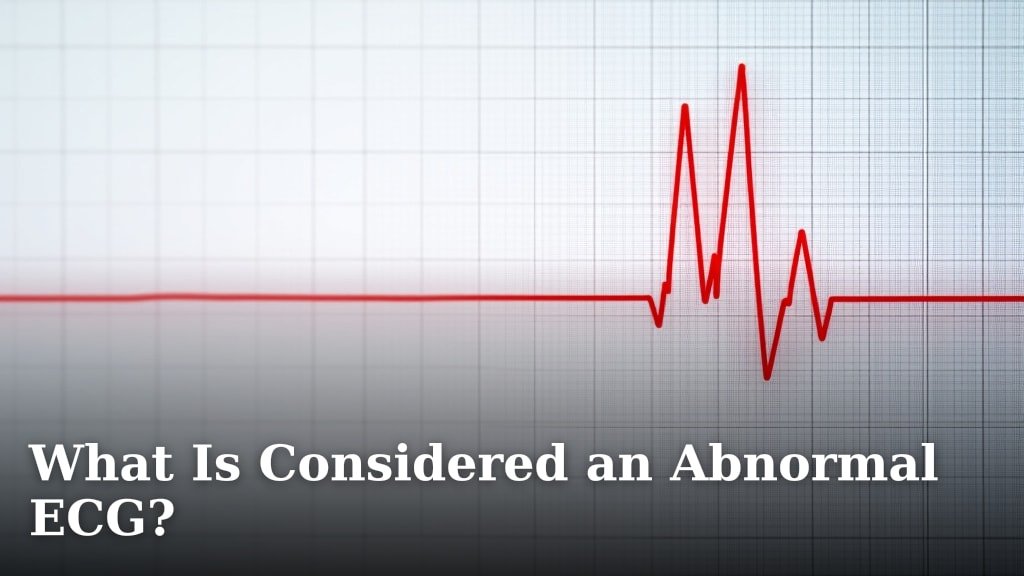
An abnormal ECG (electrocardiogram) means that your heart’s electrical activity shows patterns outside the expected normal range, which could suggest various underlying heart conditions or other issues affecting heart function. It doesn’t always mean there’s a serious problem, but it indicates something is different from a typical heart rhythm or structure. Your doctor will look at several factors to determine what an abnormal reading truly means for your health.
When you get an ECG, it records electrical signals from your heart. Doctors analyze these signals for things like heart rate, rhythm, and the strength and timing of electrical impulses. Deviations from the norm can point to issues like arrhythmias, heart attacks, or even imbalances in your body’s chemistry. It’s a quick, painless test that provides valuable clues about your cardiac health.
- An abnormal ECG indicates variations in your heart’s electrical patterns.
- It doesn’t automatically signal a severe problem but requires further investigation.
- Doctors examine heart rate, rhythm, and electrical impulse strength.
- Variations can suggest arrhythmias, past heart attacks, or chemical imbalances.
- It’s a key tool for understanding your heart’s condition.
Let’s dive into what makes an ECG abnormal and what those findings might mean for you.
Understanding Abnormal ECG Readings
An abnormal ECG simply means your heart’s electrical signals show something outside the typical range. It’s like your heart is sending a message in a slightly different way than usual.
This doesn’t automatically mean you have a serious heart condition, but it does prompt your doctor to look a little closer. Think of it as a flag that says, “Hey, let’s investigate this.” Your doctor will consider many factors to understand what an abnormal reading truly means for your health.
What Does an ECG Actually Measure?
An electrocardiogram, or ECG, is a snapshot of your heart’s electrical activity. It records the tiny electrical impulses that make your heart beat.
These impulses make your heart muscle contract and pump blood. The ECG machine translates these impulses into wavy lines on paper or a screen. Doctors then analyze these patterns to learn about your heart’s rhythm and function.
An ECG captures several key pieces of information (American Heart Association):
- Heart Rate: How fast or slow your heart is beating.
- Heart Rhythm: Whether your heart is beating in a regular pattern or if there are irregularities.
- Electrical Impulse Strength: The intensity of the electrical signals.
- Timing of Impulses: How long it takes for electrical signals to travel through different parts of your heart.
Common Reasons for an Abnormal ECG
There are many reasons an ECG might show an abnormal reading. Some are more serious than others.
It could be something very minor, or it might point to a condition that needs attention. Your doctor will be able to tell you more about your specific results.
Arrhythmias (Irregular Heartbeats)
Arrhythmias are one of the most frequent reasons for an abnormal ECG. This means your heart isn’t beating in its usual, steady rhythm.
Sometimes, your heart might beat too fast (tachycardia), too slow (bradycardia), or with an irregular pattern. Some arrhythmias are harmless, while others can be serious and require treatment (Mayo Clinic).
Evidence of Previous Heart Attack
An ECG can show signs of a past heart attack. Even if you didn’t realize you had one, changes in the electrical patterns can suggest that heart muscle tissue was damaged.
These changes are often permanent and serve as a clue for your doctor about your heart’s history. It’s like finding old scars on the electrical map of your heart.
Heart Muscle Problems
Problems with the heart muscle itself can also show up on an ECG. This might include a thickened heart muscle (hypertrophy) or a weakened heart muscle (cardiomyopathy).
These conditions can affect how well your heart pumps blood. The ECG can provide clues about the structure and strength of your heart.
Electrolyte Imbalances
Your body relies on electrolytes like potassium, sodium, and calcium for many functions, including heart rhythm. An imbalance in these minerals can cause changes in your ECG.
For instance, very high or very low potassium levels can significantly affect the heart’s electrical signals. This is why your doctor might also order blood tests if your ECG is abnormal.
Medication Side Effects
Certain medications can affect your heart’s electrical activity and lead to an abnormal ECG reading. This is especially true for drugs that impact heart rhythm or blood pressure.
Always tell your doctor about all the medications you are taking, including over-the-counter drugs and supplements. This helps them interpret your ECG results accurately and understand any potential drug interactions.
Other Conditions
Less commonly, an abnormal ECG could point to other conditions like inflammation of the heart (myocarditis or pericarditis) or even lung disease. Your heart and lungs are close neighbors, so problems in one can sometimes affect the other’s electrical signals.
For example, some lung conditions can put strain on the heart, leading to ECG changes. It’s why your doctor looks at your overall health picture.
Deciphering the “Wavy Lines”: Key Abnormalities to Know
When your doctor looks at your ECG report, they’re looking at specific waves, segments, and intervals. Each part tells a story about how electricity is moving through your heart.
Here’s a simple breakdown of what some common abnormalities mean. Don’t worry, your doctor will explain your specific report in detail.
| ECG Finding | What It Might Indicate | Is it Always Serious? |
|---|---|---|
| Bradycardia (slow heart rate) | Heart rate < 60 bpm; can be normal in athletes, or signal an issue with the heart's pacemaker. | Not always; depends on symptoms and overall health. |
| Tachycardia (fast heart rate) | Heart rate > 100 bpm; could be due to stress, exercise, fever, or an arrhythmia. | Can be serious if persistent or symptomatic; needs evaluation. |
| ST-segment changes | Often suggests reduced blood flow to the heart muscle (ischemia) or a heart attack. | Potentially very serious; requires urgent medical attention. |
| T-wave inversions | Can indicate ischemia, heart strain, or certain electrolyte imbalances. | Can be serious; often needs further investigation. |
| Q waves (abnormal) | Suggests damage to heart muscle, often from a previous heart attack. | Indicates past heart damage; usually not an acute emergency. |
| Long QT interval | A rare condition that can lead to dangerous fast heart rhythms (arrhythmias). | Potentially very serious; genetic or medication-induced. |
What Happens After an Abnormal ECG?
Receiving an abnormal ECG result can feel unsettling, but remember, it’s a piece of a larger puzzle. Your doctor will use this information to decide what the next steps should be.
Here’s a general idea of what you can expect:
- Discussion of Results: Your doctor will explain what the specific abnormalities mean in your case.
- Medical History Review: They will ask about your symptoms, family history, and any medications you are taking.
- Physical Examination: A thorough check-up will help them assess your overall health.
- Additional Tests: You might need more tests to get a clearer picture.
- Referral to a Specialist: Sometimes, a cardiologist (heart specialist) might be consulted.
Further Diagnostic Tests Your Doctor Might Order
If your ECG is abnormal, your doctor might recommend additional tests to pinpoint the cause. These tests provide more detailed information about your heart’s structure and function.
You may undergo some of the following (Cleveland Clinic):
- Echocardiogram: An ultrasound of your heart to see its structure and how well it pumps.
- Holter Monitor or Event Recorder: Portable ECG devices you wear for a day or longer to capture intermittent arrhythmias.
- Stress Test: An ECG taken while you exercise on a treadmill or stationary bike, or with medication, to see how your heart responds to exertion.
- Blood Tests: To check for electrolyte imbalances, inflammation, or markers of heart damage.
- Cardiac MRI or CT Scan: Detailed imaging of your heart and blood vessels.
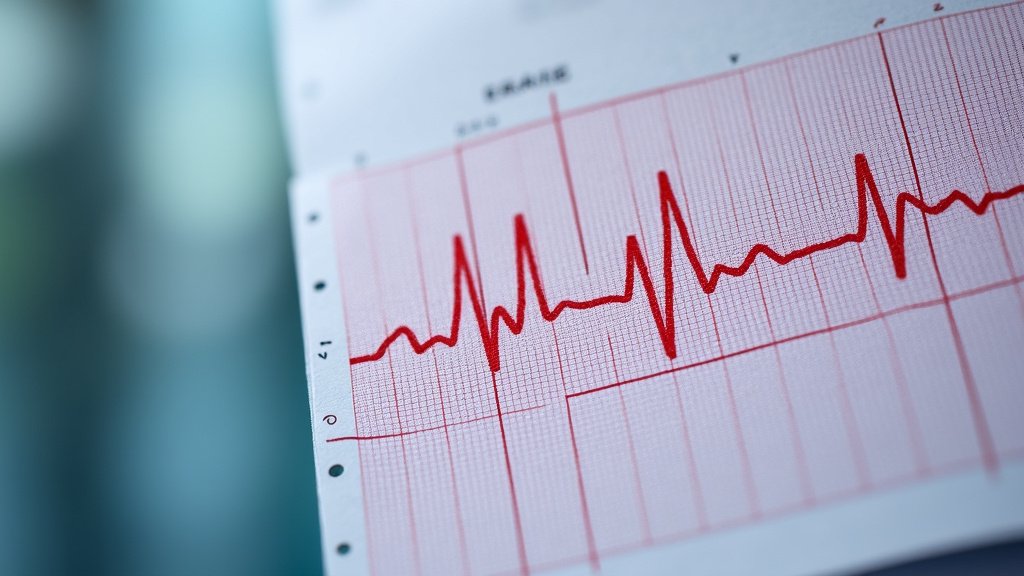
Your Role in Understanding Your ECG Results
Being an active participant in your healthcare is always a good idea. When it comes to an abnormal ECG, asking questions is key.
Don’t hesitate to voice any concerns you have. Your doctor is there to help you understand what’s happening with your heart.
Questions to Ask Your Doctor
When you discuss your ECG results, prepare a few questions. This can help you feel more informed and less anxious.
Here are some questions we found helpful to ask:
- What exactly does this abnormality mean?
- Is this something serious, or is it minor?
- What are the potential causes of this abnormal reading?
- Do I need further tests, and if so, what kind?
- What are my treatment options, if any?
- Are there any lifestyle changes I should make?
- When should I follow up, and with whom?
Many experts say that clear communication with your healthcare provider is crucial (NIH).
Lifestyle Adjustments for a Healthier Heart
Even if your abnormal ECG isn’t serious, adopting heart-healthy habits is always beneficial. These changes can improve your overall cardiovascular health.
Consider these adjustments that often support a healthier heart:
- Eat a balanced diet: Focus on fruits, vegetables, whole grains, and lean proteins.
- Stay physically active: Aim for regular moderate exercise.
- Manage stress: Find healthy ways to cope with daily pressures.
- Maintain a healthy weight: Losing even a few pounds can benefit your heart.
- Quit smoking: Smoking is a major risk factor for heart disease.
- Limit alcohol intake: Excessive alcohol can affect heart rhythm and blood pressure.
These practices can sometimes help improve heart function and may even normalize some ECG findings over time.
Conclusion
An abnormal ECG can be a concerning finding, but it’s important to remember that it’s often a starting point for further investigation, not a final diagnosis. Your heart’s electrical signals offer vital clues about its health.
Working closely with your doctor, understanding your results, and asking questions are key steps. By doing so, you can ensure you receive the right care and take proactive steps toward maintaining your cardiovascular well-being. Always follow up on abnormal findings for your peace of mind and health.
Frequently Asked Questions
Can a normal ECG rule out all heart problems?
No, a normal ECG doesn’t guarantee a completely healthy heart. Some heart conditions, especially those that come and go, might not show up during the brief recording of a standard ECG. Your doctor may recommend other tests if your symptoms suggest an issue.
How often should I get an ECG?
The frequency of ECGs depends on your age, risk factors, and overall health. Routine ECGs are not typically recommended for healthy adults without symptoms. Your doctor will advise you if and when an ECG is necessary based on your individual health profile.
Can stress or anxiety cause an abnormal ECG?
Yes, stress and anxiety can temporarily affect your heart rate and rhythm, potentially leading to an abnormal ECG reading like a faster heart rate. It’s important to inform your doctor about your stress levels, as they consider your overall state when interpreting results.
Is an abnormal ECG always a sign of heart disease?
Not necessarily. While an abnormal ECG can indicate heart disease, it can also be caused by other factors like electrolyte imbalances, certain medications, or even just normal variations in your heart’s electrical activity. Further tests usually help clarify the cause.
What should I do if my doctor says my ECG is abnormal?
If your ECG is abnormal, your most important step is to discuss the findings thoroughly with your doctor. They will explain what the abnormality means for you and recommend any necessary follow-up tests or treatments. Don’t hesitate to ask questions and seek clarification.
