
How to Know If Palpitations Are an Emergency?
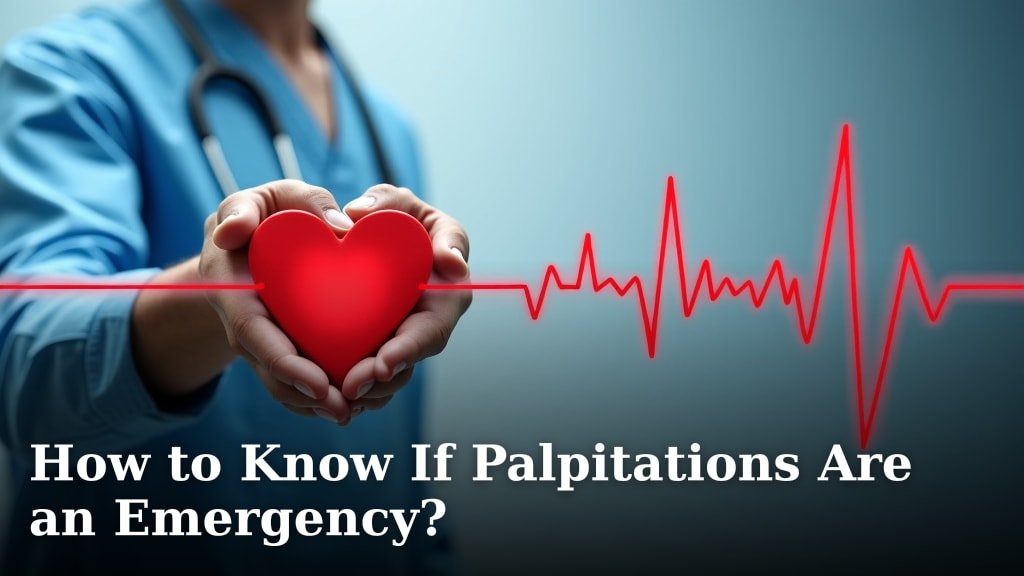
You should seek immediate medical attention for palpitations if they come with chest pain, shortness of breath, dizziness, or fainting. These symptoms can signal a more serious underlying problem than a benign heart flutter.
We found that heart palpitations often feel like your heart is racing, fluttering, or skipping a beat. While many times they are harmless, knowing when to worry can be life-saving. Your body gives you clues; it’s important to listen to them.
- Palpitations sometimes require urgent care.
- Look for accompanying symptoms like chest pain or dizziness.
- Many palpitations are not serious.
- Recognize when your body is sending a warning sign.
- Consult a doctor if you are concerned.
Let’s walk through common causes, warning signs, and when you should absolutely call for help.
When to Act on Heart Palpitations
You’re probably here because you’ve felt your heart do something unusual. Maybe it’s a flutter, a skip, or like it’s pounding out of your chest. This can be unsettling. Knowing when to get help is very important.
We’ll guide you through recognizing the signals your body might be sending. Many palpitations are harmless, yet some require quick attention. Your peace of mind matters most.
Understanding What Palpitations Feel Like
What exactly is a heart palpitation? It’s when you become aware of your heartbeat. Normally, you don’t notice your heart working. When you do, it feels distinct and can be alarming.
Some people describe it as a pounding. Others feel a fluttering sensation. It might seem like your heart is racing, skipping beats, or doing flip-flops (American Heart Association).
These feelings can last for a few seconds or several minutes. They can happen at rest, during activity, or even when you’re trying to fall asleep. Everyone experiences them a little differently.
Common Factors That Trigger Palpitations
Many things can cause your heart to palpitate. Often, they are not serious medical issues. Think of these as everyday triggers that can temporarily change your heart rhythm.
We found common culprits include stress and anxiety. Have you ever noticed your heart racing when you’re nervous? That’s a palpitation.
- Stress and Anxiety: Emotional distress can release hormones that speed up your heart.
- Caffeine and Nicotine: Stimulants are well-known for affecting heart rate.
- Alcohol: Too much can disrupt your heart’s normal rhythm.
- Dehydration: Not drinking enough water can make your body work harder.
- Lack of Sleep: Tiredness can sometimes play a role.
- Intense Exercise: Your heart naturally pounds after a tough workout.
- Hormonal Changes: Pregnancy, menopause, or menstrual cycles can trigger them.
- Certain Medications: Some cold medicines or asthma inhalers can be culprits.
You might be able to identify a pattern. Does it happen after your morning coffee? Or when you’re feeling particularly stressed out? Keeping a simple symptom diary can help you pinpoint triggers.
When Lifestyle Changes Can Help
If your palpitations are linked to these common triggers, simple lifestyle adjustments might be all you need. Cutting back on caffeine or learning stress-reduction techniques can make a big difference.
Getting regular, moderate exercise (but not overdoing it) often helps. Ensuring you get enough sleep and staying hydrated are also key steps. Your body will thank you for these healthier habits.
Warning Signs That Demand Immediate Medical Attention
This is where it gets serious. While most palpitations are harmless, some symptoms are red flags. You should never ignore these. They suggest a more serious underlying health problem.
If you experience heart palpitations along with any of the following, seek emergency medical care. Don’t wait to see if it gets better on its own.
Severe Symptoms to Watch For
- Chest Pain or Discomfort: Especially if it feels like pressure, squeezing, or fullness.
- Shortness of Breath: More than just feeling winded after activity. This is difficulty breathing at rest.
- Dizziness or Lightheadedness: Feeling faint or like you might pass out.
- Fainting or Loss of Consciousness: This is a clear emergency.
- Severe Sweating: Especially if it comes on suddenly and isn’t related to heat or effort.
- Pain Spreading: Pain that moves to your arm, back, neck, jaw, or stomach.
We found that these symptoms, when paired with palpitations, can signal conditions like a heart attack, serious arrhythmias, or other critical heart issues. Don’t try to self-diagnose; let medical professionals assess your situation.
Underlying Medical Conditions Linked to Palpitations
Sometimes, palpitations are a sign of an existing health issue. Knowing about these can help you and your doctor figure things out. It’s about being informed, not alarmed.
For example, some heart rhythm disorders (arrhythmias) can cause palpitations. These can range from benign to quite serious. An example is Atrial Fibrillation (AFib), where the upper chambers of your heart beat irregularly (Cleveland Clinic).
Other non-heart-related conditions can also cause them. An overactive thyroid gland (hyperthyroidism) can speed up your whole system, including your heart. Anemia, where you don’t have enough red blood cells, can also be a cause.
Even conditions like low blood sugar or electrolyte imbalances can lead to palpitations. That’s why a doctor needs to look at the whole picture. Your body is a complex system.
When to Consult Your Doctor (Non-Emergency)
So, you’re not having an emergency, but your palpitations are still a concern. When should you make an appointment with your family doctor? It’s wise to talk to them whenever you have concerns about your heart.
You should see a doctor if your palpitations are frequent or persistent. Even if they don’t come with severe symptoms, regular episodes warrant a check-up. They might just be annoying, but it’s still good to get them checked to rule out anything serious.
Also, if you have a known heart condition, and your palpitations change in intensity or frequency, contact your doctor. Any new or worsening symptom deserves professional attention.
It’s also a good idea to chat with your doctor if you’re taking new medications. Sometimes prescription or over-the-counter drugs can trigger palpitations as a side effect.
What to Expect at the Doctor’s Office
When you see your doctor for palpitations, they will likely ask you many questions. Be ready to describe what you feel. The more details, the better.
They’ll want to know about your medical history. Have you had heart problems before? Do heart issues run in your family? What medications do you take?
Your doctor will listen to your heart and typically order an electrocardiogram (ECG or EKG). This test records your heart’s electrical activity. It’s a quick, painless way to check your heart rhythm while you are there.
Sometimes, further tests are needed. You might wear a Holter monitor for 24-48 hours. This portable device records your heart’s activity as you go about your daily life. It can catch palpitations that don’t happen during an office visit.
Your Palpitations Checklist: When to Seek Help
Use this quick checklist to decide your next step. It simplifies when to worry versus when to schedule a routine check-up. Your health decision doesn’t have to be complicated.
| Situation | Action |
|---|---|
| Palpitations with chest pain, shortness of breath, dizziness, or fainting. | Call 911 or go to the nearest emergency room immediately. |
| New, frequent, or persistent palpitations without severe symptoms. | Schedule an appointment with your family doctor soon. |
| Palpitations that worsen with existing heart conditions. | Contact your cardiologist or doctor for advice. |
| Palpitations linked to new medications. | Talk to your prescribing doctor or pharmacist. |
| Palpitations after excessive caffeine, alcohol, or stress (and no other symptoms). | Consider lifestyle changes and monitor. Consult doctor if persistent. |
When in doubt, it’s always best to consult a medical professional. Your heart is vital. There’s no harm in getting it checked. Peace of mind is worth it.
- Are you experiencing chest pain with your palpitations? Get emergency help.
- Are you feeling dizzy or lightheaded? Go to the ER.
- Are you having trouble breathing? Call 911.
- Did you faint? This is an emergency.
- Are your palpitations frequent and bothersome, but no other severe symptoms? See your doctor.
Don’t dismiss your symptoms. Listening to your body is a key step in staying healthy. We want you to feel confident in knowing when to act quickly and when to seek routine care.
Conclusion
Your heart is an incredible organ, and understanding its signals is vital for your health. We hope this guide empowers you to differentiate between a harmless flutter and a potential emergency. Listening to your body, recognizing accompanying symptoms like chest pain or dizziness, and knowing when to act can truly be life-saving. Don’t hesitate to seek medical help for any concerning palpitations. Your well-being is the top priority, and getting prompt and appropriate care ensures your heart stays healthy.
Frequently Asked Questions
Can stress alone cause palpitations serious enough to need a doctor?
Yes, chronic or severe stress and anxiety can trigger frequent palpitations. While usually not immediately life-threatening on their own, persistent stress-induced palpitations still warrant a doctor’s visit. A medical professional can help confirm the cause and discuss coping strategies or treatments.
What if my palpitations only happen at night?
Palpitations at night are common and can be caused by various factors, including anxiety, digestion, sleep apnea, or even your sleeping position. If these nighttime episodes are frequent, disruptive, or come with other concerning symptoms, it’s wise to consult your doctor for an evaluation.
Is it always a heart problem if I feel palpitations?
No, many times palpitations are due to non-cardiac reasons like stress, caffeine, dehydration, or hormonal shifts. However, because they can sometimes signal an underlying heart condition, it’s genuinely important to have them checked out, especially if they are new or worsening.
Should I go to the ER if my palpitations feel strong but I have no other symptoms?
If your palpitations are strong but you have absolutely no other symptoms like chest pain, shortness of breath, or dizziness, an emergency room visit might not be necessary. Instead, schedule an urgent appointment with your family doctor or a cardiologist to get it checked out.
How can I explain my palpitations clearly to a doctor?
When talking to your doctor, describe the sensation (fluttering, pounding, skipping), how long it lasts, how often it happens, and what you were doing when it started. Mention any triggers you’ve noticed and list any other symptoms, even mild ones. This detail helps your doctor make an accurate assessment.
