
What Is a Holter Monitor?
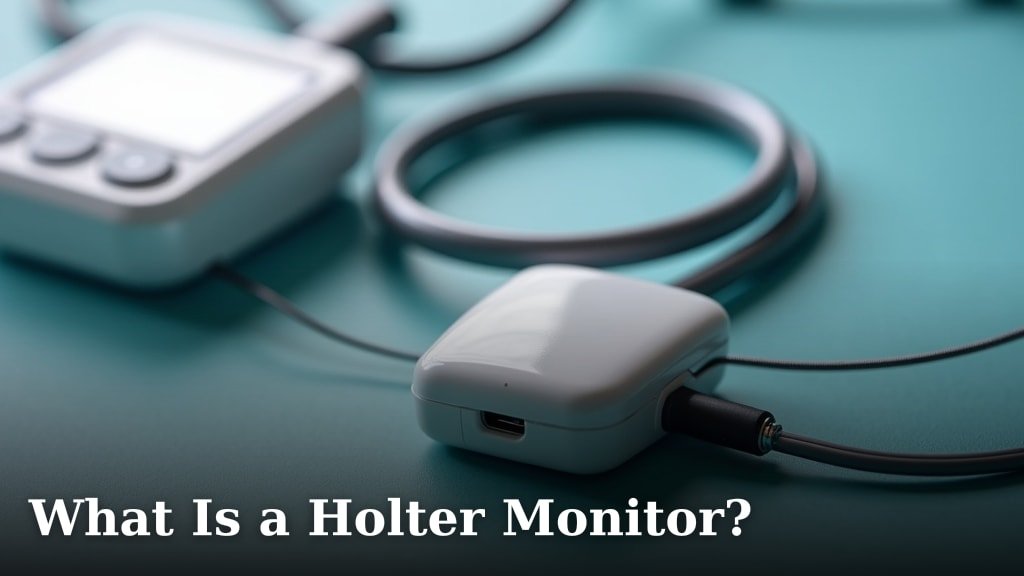
A Holter monitor is a small, portable device that records your heart’s electrical activity continuously, usually over 24 to 48 hours. Doctors use it to diagnose heart rhythm problems that don’t show up during a regular, short ECG test. It helps them catch those brief, fluttering moments your heart might have.
You wear the Holter monitor while you go about your normal daily activities. This gives doctors a real-world look at your heart during different situations. It can help find issues like irregular heartbeats or palpitations that come and go, which are often missed in a quick office visit. We found it’s a key tool for understanding your heart’s patterns.
- A small, portable device.
- Records heart activity for 24-48 hours.
- Helps diagnose intermittent heart rhythm issues.
- You wear it during normal daily life.
So, if your doctor has suggested a Holter monitor, you might be wondering exactly what it involves and why it’s so helpful. Let’s walk through everything you need to know about this diagnostic tool.
Understanding the Holter Monitor Device
A Holter monitor is essentially a mini, wearable ECG machine. It continuously records your heart’s electrical signals over an extended period. Think of it as a diary for your heart, capturing every beat and pause while you live your life.
This device is small and portable. You can easily wear it under your clothes without it getting in the way. It’s designed to be discreet, allowing you to maintain your normal daily routine.
Components of a Holter Monitor
What makes up this heart-monitoring gadget? It has a few key parts that work together to capture all that vital information.
The Recorder Unit
This is the brain of the Holter monitor. It’s a small, battery-operated box, often about the size of a deck of cards or a small cell phone. This unit stores all the data it collects from your heart.
Inside, there’s a memory chip that holds hours, sometimes days, of heart activity. It’s built to be robust enough to withstand your daily activities, including mild exercise (American Heart Association).
Electrodes and Leads
These are the sticky patches that attach to your skin. They’re placed on specific areas of your chest. These electrodes have wires, called leads, that connect to the recorder unit. They are the sensors that pick up your heart’s electrical impulses.
The number of electrodes can vary, but typically there are between three and seven. Each one helps provide a different view of your heart’s activity. We found good skin contact is crucial for accurate readings.
Why Your Doctor Might Recommend a Holter Monitor
So, why would your doctor want you to wear one of these? The primary reason is to catch heart rhythm problems (arrhythmias) that are sporadic. A standard ECG in the office only captures a few seconds of your heart’s activity. If your symptoms don’t happen during that brief window, they’re missed.
A Holter monitor acts as a continuous observer. It’s like having a dedicated detective always watching for those fleeting heart events. This can lead to a more accurate diagnosis and a better treatment plan.
Symptoms That May Trigger a Holter Test
You might be experiencing symptoms that come and go. These are often the biggest clues for your doctor. Have you ever felt your heart flutter, skip a beat, or race unexpectedly?
- Palpitations: A feeling that your heart is pounding, racing, or skipping beats.
- Dizziness or lightheadedness: These can sometimes be linked to an irregular heartbeat affecting blood flow to the brain.
- Fainting or near-fainting spells (syncope): A sudden loss of consciousness can frequently be a sign of a significant heart rhythm disturbance.
- Shortness of breath: Especially if it’s unexplained or occurs during light activity.
- Chest pain or discomfort: While often associated with blocked arteries, certain arrhythmias can also cause chest discomfort.
If you’re experiencing any of these symptoms, especially if they are recurrent, your doctor might suggest a Holter monitor. It helps them correlate your sensations with actual heart activity (National Heart, Lung, and Blood Institute).
Monitoring Existing Heart Conditions
Sometimes, you might already have a diagnosed heart condition, or you’ve had a procedure. A Holter monitor can be used to check how well a treatment is working. For example, if you’ve been prescribed medication for an arrhythmia, it can verify if the medicine is controlling your heart rate and rhythm.
It’s also used to assess the function of a pacemaker or an implantable cardioverter-defibrillator (ICD). This ensures these devices are working as they should to regulate your heart.
What to Expect During Your Holter Monitor Test
Getting set up with a Holter monitor is a straightforward process. It usually happens in your doctor’s office or a specialized clinic. It doesn’t involve any needles, pain, or sedation.
The Setup Process
A healthcare professional will prepare your skin where the electrodes will be placed. They might shave small patches of hair if needed to ensure good contact. Then, they will attach the small electrode patches to your chest. These patches have wires that connect to the portable recording device.
Once everything is connected, the technician will secure the recorder. You might wear it in a small pouch around your waist or on a strap over your shoulder. They will show you how to check that the electrodes remain securely attached.
Wearing the Monitor: Your Daily Routine
The beauty of a Holter monitor is that it captures your heart’s activity during your real life. You’ll go home and continue with most of your normal activities. This includes work, chores, and even light exercise.
However, there are a few things to avoid. You can’t shower or swim with the monitor on, as it’s not waterproof. You’ll get specific instructions on how to manage personal hygiene during the monitoring period.
You might also be asked to keep a diary. This diary is a really important part of the test. You’ll jot down when you experience any symptoms and what you were doing at the time. This helps your doctor match your sensations to the recorded heart data.
Returning the Monitor and Data Analysis
After the monitoring period (usually 24 or 48 hours), you’ll return to the clinic to have the electrodes removed and the device returned. The stored data is then downloaded into a computer program. A specialist reviews this data, sometimes hundreds of thousands of heartbeats, looking for any irregularities.
Your doctor then reviews this analysis, often correlating it with your diary entries. This comprehensive look helps them understand what might be happening with your heart. You’ll typically get your results within a few days to a week.
Interpreting Your Holter Monitor Results
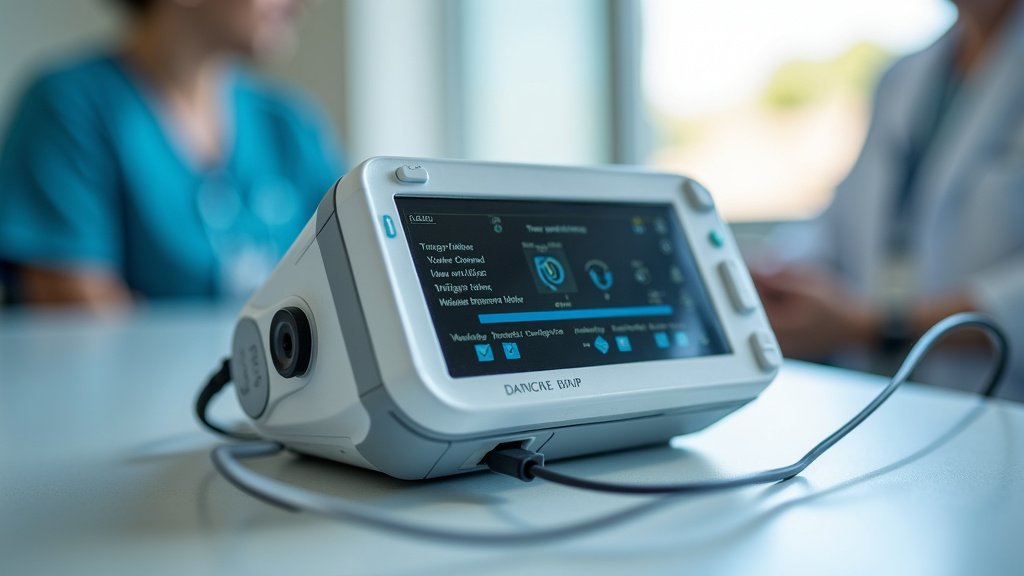
When your doctor discusses your results, they will explain what the monitor found. This could involve showing you specific heart rhythm patterns. Don’t worry if you don’t understand all the medical terms; they are there to clarify everything for you.
Common Findings and Their Meanings
The monitor might detect various things, some normal, some requiring attention. We found some of the common findings include:
| Finding | What It Means |
|---|---|
| Normal Sinus Rhythm | Your heart is beating in a regular, steady pattern. This is a healthy finding. |
| Bradycardia | Your heart rate is too slow. This can sometimes be normal (e.g., in athletes) but can also indicate an issue. |
| Tachycardia | Your heart rate is too fast. Episodes of fast heartbeats are common arrhythmias like supraventricular tachycardia (SVT) or atrial fibrillation. |
| Premature Beats (PVCs, PACs) | Extra, early heartbeats. These are often benign and common but can sometimes point to underlying issues or occur more frequently than normal. |
| Heart Blocks | Problems with the electrical signals traveling through your heart, causing irregular beats or pauses. |
Your doctor will explain if any of these findings are cause for concern. They’ll discuss whether these patterns are linked to the symptoms you experienced and recorded in your diary.
Next Steps After Your Holter Monitor
Based on your results, your doctor will discuss a plan with you. This could range from “everything looks normal, no further action needed” to recommendations for lifestyle changes, medication, or sometimes, further diagnostic tests. It all depends on what your heart’s “diary” revealed.
Living with a Holter Monitor: Tips for Success
Wearing a Holter monitor might feel a little unusual at first, but it’s generally very manageable. Here are a few tips to ensure you get the best possible data and have a good experience.
Your Holter Monitor Checklist:
- Keep the area around electrodes dry: Avoid showers; use sponge baths instead.
- Wear loose-fitting clothing: This prevents irritation and keeps the leads secure.
- Avoid magnets and metal detectors: These can interfere with the monitor’s function.
- Maintain your activity diary meticulously: This is critical for accurate diagnosis.
- Check electrode adhesion daily: Press down gently on the patches if they feel loose.
- Report any discomfort or technical issues: Contact your provider if anything feels wrong.
Remember, the more accurately the monitor records your heart’s activity during your normal life, the better your doctor can understand your symptoms. You’re a key partner in this diagnostic process!
Conclusion
Understanding what a Holter monitor is and why your doctor recommends it can ease any apprehension. This small, portable device offers a powerful way to uncover hidden heart rhythm issues that a quick check-up might miss. By recording your heart’s activity during your normal daily routine, it provides a complete picture of its performance. We found it’s an essential step for accurately diagnosing symptoms like palpitations or dizziness.
If you’re slated for a Holter test, remember to follow the instructions carefully and keep that symptom diary. The information collected is vital for your doctor to create the best treatment plan for you. Don’t hesitate to ask your healthcare provider any questions you have about the process or your results.
Frequently Asked Questions
Is wearing a Holter monitor painful?
No, wearing a Holter monitor is not painful. The electrodes are just sticky patches on your skin. You might feel a slight tug when they’re removed, similar to taking off a bandage.
Can I exercise with a Holter monitor on?
Generally, you can continue light exercise. Your doctor will provide specific instructions based on your condition. High-impact or sweaty activities might not be recommended, as they can loosen electrodes.
How accurate is a Holter monitor?
Holter monitors are very accurate for detecting intermittent arrhythmias. They continuously record your heart’s electrical signals over an extended period. This increases the chance of catching irregular heartbeats that occur randomly.
What if I forget to write in my diary?
The diary is an important part of the test. Try your best to record symptoms and activities. If you forget an entry, just resume writing as soon as you remember. Don’t worry too much, as the monitor still captures all the data.
Can the Holter monitor detect a heart attack?
A Holter monitor is designed to detect heart rhythm irregularities, not necessarily a heart attack (myocardial infarction). While it can show changes in heart activity, other tests are typically used to diagnose acute heart attacks.
