
What Is an ECG Test Used For?

An ECG test, also known as an electrocardiogram, is used to check your heart’s electrical activity. It helps doctors spot problems with your heart rhythm and structure. This simple test gives a quick look at your heart’s health.
You might get an ECG if you have chest pain or shortness of breath. It can find signs of a heart attack, even an old one. Doctors use it to see if your heart is getting enough blood and oxygen.
- Checks heart’s electrical signals
- Finds abnormal heart rhythms
- Detects heart muscle damage
- Evaluates effects of heart medication
- Helps diagnose heart conditions
Let’s dive into exactly what an ECG test involves and why it’s such an important tool for your health.
Understanding the Purpose of an Electrocardiogram (ECG)
An ECG test helps doctors analyze your heart’s electrical signals. It’s a key tool for diagnosing and monitoring various heart conditions. This simple test provides a wealth of information about your cardiac health.
How Does an ECG Work?
Imagine your heart as a powerful, natural pump. It creates its own electrical impulses to keep itself beating. These impulses make your heart muscle contract and relax, pushing blood throughout your body.
An ECG machine “listens in” on these electrical signals. Small sticky pads, called electrodes, are placed on your chest, arms, and legs. These electrodes detect the tiny electrical changes on your skin caused by your heart’s activity.
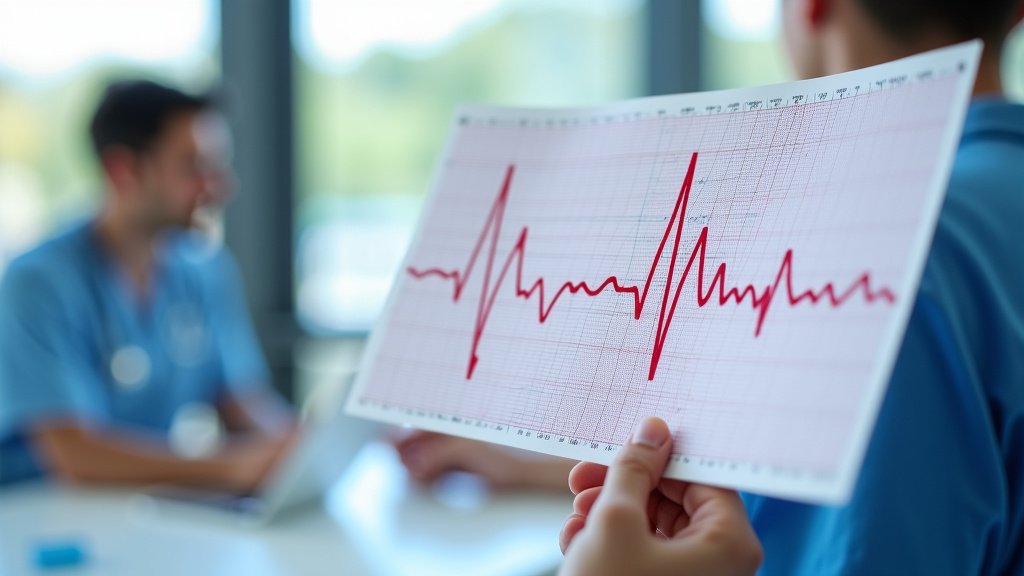
Then, the machine records these signals. It prints them out as wavy lines on a piece of paper or displays them on a screen. Each wave and segment tells a story about a specific part of your heart’s function.
What the Waves and Lines Mean
The squiggly lines on an ECG printout aren’t just random marks. Each part has a name and a meaning. For example, the P wave shows the activation of your heart’s upper chambers (atria). The QRS complex represents the activation of your heart’s main pumping chambers (ventricles).
Doctors are trained to interpret these patterns. They look at the size, shape, and timing of each wave. Any deviations from normal patterns can signal an underlying heart issue.
Diagnosing Heart Conditions with an ECG
One of the main reasons for getting an ECG is to help diagnose heart problems. It offers a quick, non-invasive way to check your heart’s immediate state. Many experts agree it’s a vital first step in cardiac assessment (Cleveland Clinic).
Irregular Heart Rhythms (Arrhythmias)
Your heart usually beats at a steady, predictable pace. Sometimes, though, it can beat too fast, too slow, or irregularly. These are called arrhythmias.
An ECG is excellent at picking up these rhythm disturbances. It can show if your heart is skipping a beat, adding an extra beat, or beating in an uncoordinated way. Detecting an arrhythmia early can help prevent more serious problems.
- Bradycardia (heart beats too slow)
- Tachycardia (heart beats too fast)
- Atrial Fibrillation (irregular and often rapid heart rate)
- Ventricular Fibrillation (chaotic, ineffective heart rhythm)
Heart Attacks and Heart Damage
If you’re having chest pain, an ECG is often one of the first tests performed. It can reveal if you’re currently having a heart attack. It can also show signs of past heart attacks.
When part of your heart muscle is damaged from an attack, its electrical activity changes. The ECG can pick up these changes. This helps doctors quickly decide on the best treatment plan to save heart muscle.
Restricted Blood Flow to the Heart
Sometimes, the arteries supplying blood to your heart can narrow. This reduces blood flow and oxygen to your heart muscle, a condition called ischemia. This can cause angina, which is chest pain or discomfort.
An ECG can show signs of ischemia. Certain changes in the ST segment of the ECG wave can point to insufficient blood supply. This early warning can prompt further investigation and preventative treatment.
Monitoring Existing Heart Conditions
Beyond diagnosis, an ECG is also crucial for tracking your heart health over time. If you already have a heart condition, your doctor might recommend regular ECGs.
Tracking Medication Effectiveness
Many heart medications work by affecting your heart’s electrical activity. This includes drugs for high blood pressure, arrhythmias, and heart failure.
An ECG helps your doctor see if these medications are working as intended. They can check if your heart rhythm has normalized or if your heart rate is within a healthy range. It allows for careful adjustment of your dosage if needed.
Assessing Pacemaker or Defibrillator Function
If you have a pacemaker or an implantable cardioverter-defibrillator (ICD), an ECG is used to ensure these devices are functioning correctly. It can check if the pacemaker is sending out appropriate electrical impulses and if your heart is responding as it should.
When Might You Need an ECG?
Your doctor might recommend an ECG for several reasons. It often depends on your symptoms, your health history, and what they observe during a physical exam.
Here’s a quick checklist of common reasons:
- Experiencing chest pain, discomfort, or pressure.
- Feeling short of breath or lightheaded.
- Having heart palpitations (a feeling of a racing, pounding, or fluttering heart).
- Frequent dizziness or fainting spells.
- Part of a routine physical exam, especially if you have risk factors for heart disease.
- Before surgery, to assess your heart’s readiness for anesthesia.
- Monitoring known heart conditions like high blood pressure or high cholesterol.
Comparing Different Types of ECGs
While the basic principle is the same, there are a few different types of ECG tests. Each serves a slightly different purpose, depending on what your doctor needs to observe.
We’ve created a simple table to help you understand the differences:
| ECG Type | What It Does | When It’s Used | Duration |
|---|---|---|---|
| Resting ECG | Records heart activity while you lie still. | General heart health check, chest pain, irregular heartbeat. | 5-10 minutes |
| Stress ECG (Exercise ECG) | Records heart activity while you exercise on a treadmill or bike. | Checks for heart problems that only appear during physical exertion. | About 15-30 minutes for exercise portion |
| Holter Monitor | Portable device that records heart activity for 24-48 hours (or longer). | Captures intermittent or infrequent heart rhythm issues that a quick ECG might miss. | 24-48 hours (or up to 2 weeks for some types) |
| Event Monitor | Portable device you activate when you feel symptoms. | For symptoms that happen rarely but need to be recorded when they occur. | Days to weeks, until symptoms are captured |
What Happens During an ECG Test?
Getting an ECG is usually a quick and painless process. You don’t need to do much to prepare, though your healthcare provider might give you specific instructions, like avoiding oily lotions on the day of the test.
Here’s a general idea of what you can expect:
- You’ll be asked to lie down comfortably. This ensures your heart activity is measured at rest.
- A technician will attach small, sticky electrode pads to your skin. These go on your chest, arms, and legs. Sometimes, a tiny bit of hair might be shaved to ensure good contact.
- These electrodes connect to the ECG machine via wires. You won’t feel any electric shock. The machine only records, it doesn’t send electricity into your body.
- You’ll be asked to lie still and breathe normally for a few minutes while the machine records your heart’s electrical signals.
- Once enough data is collected, the electrodes are removed. The process is quick and leaves no lasting marks.
Your doctor will then review the recording. They will discuss the results with you, explaining what the waves and lines reveal about your heart’s health.
Is an ECG a Complete Picture of Heart Health?
An ECG is an amazingly useful tool, but it’s important to understand its limitations. It provides a snapshot of your heart’s electrical activity. It doesn’t, for example, directly show blockages in your arteries (though it can show signs of damage from them).
Think of it like looking at a single frame from a movie. It gives you some information, but to understand the whole story, you might need more. For a comprehensive view of your heart, your doctor might suggest other tests. These could include blood tests, echocardiograms (ultrasound of the heart), or stress tests.
Ultimately, an ECG helps your doctor gather clues. It points them in the right direction to understand your unique cardiac health. If you have concerns about your heart, always talk to your healthcare provider.
Conclusion
An ECG is a straightforward yet powerful test for assessing your heart’s electrical health. It helps doctors identify issues like irregular rhythms, signs of heart attacks, and reduced blood flow. You’ve seen how different types of ECGs provide specific information, from a quick resting check to continuous monitoring. Understanding what an ECG is used for can empower you to discuss your heart health options effectively with your provider. If you have concerns about your heart or experience any symptoms, don’t hesitate to speak with your doctor about whether an ECG is right for you.
Frequently Asked Questions
Is an ECG painful?
No, an ECG test is not painful. You might feel a slight tug when the sticky electrode pads are removed from your skin. The test doesn’t send any electricity into your body; it only records your heart’s natural electrical signals.
How should I prepare for an ECG test?
Typically, you don’t need much special preparation. Your doctor might advise you to avoid oily skin lotions or creams on the day of the test. Wearing a two-piece outfit can also make it easier to place the electrodes on your chest and limbs.
Can an ECG detect all heart problems?
While an ECG is excellent for detecting electrical problems and signs of damage, it doesn’t show everything. For example, it might not directly reveal blocked arteries until they cause significant stress or damage. A doctor might order other tests for a full picture of your heart health.
How long does it take to get ECG results?
The recording itself usually takes only a few minutes. A cardiologist or trained doctor will then interpret the results. In urgent situations, results can be read immediately. For routine tests, your doctor will usually discuss them with you during your follow-up appointment.
How often should I get an ECG?
The frequency of ECGs depends on your age, health, and risk factors. If you have no symptoms or known heart conditions, routine ECGs aren’t always necessary. Your doctor will recommend an ECG if you have symptoms, risk factors, or an existing heart condition that needs monitoring.
