
What Is an EKG Monitor?
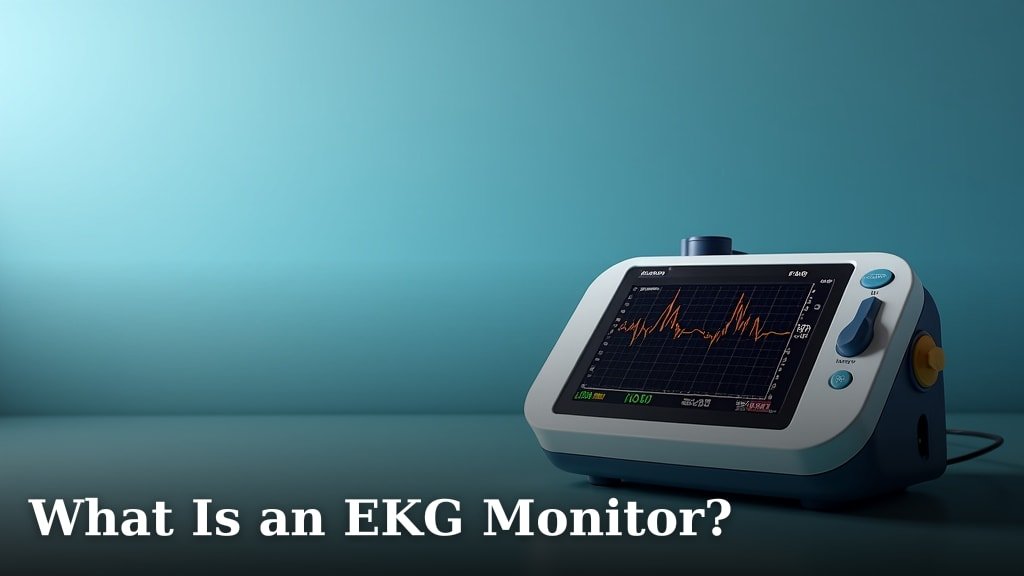
An EKG monitor is a medical device that records your heart’s electrical activity. It captures how fast your heart beats and its rhythm. Doctors use this information to check for various
This simple, non-invasive test helps medical professionals understand your heart’s health. It involves placing small sensors, called electrodes, on your skin. These sensors detect the electrical signals your heart produces as it pumps blood.
- It records your heart’s electrical activity.
- Helps doctors find heart problems.
- Uses small sensors (electrodes) on your skin.
- It’s a quick and painless test.
Thinking about your heart health can feel a bit scary, right? But understanding tools like EKG monitors can bring peace of mind. We’ll walk you through exactly what an EKG monitor does and why it matters for you.
What Exactly Does an EKG Device Do?
An EKG device, also called an ECG machine, translates your heart’s electrical signals into a visual line graph. Think of it like a sound wave recording, but for your heartbeats. It captures the timing and strength of these electrical impulses. This helps doctors see how well your heart is working.
You might wonder why those signals are so important. Well, every time your heart beats, an electrical impulse travels through it. This impulse tells your heart muscle when to contract and pump blood. An EKG monitor simply records this electrical journey, showing any detours or slowdowns.
How Your Heart’s Electrical System Works
Your heart has its own natural pacemaker, a small group of cells called the sinoatrial (SA) node. This node sends out electrical signals that spread through your heart. These signals make your heart chambers contract in a specific order.
First, the top chambers (atria) contract, pushing blood into the bottom chambers (ventricles). Then, the ventricles contract, sending blood out to your body and lungs. This entire process is finely tuned, and the EKG captures each step. When something isn’t quite right, the EKG can often show it.
The Science Behind the Squiggly Lines
Those squiggly lines on an EKG printout aren’t just random marks. Each bump and dip represents a different part of your heart’s electrical activity. Doctors are trained to “read” these patterns. It’s like reading a secret code that tells them about your heart’s health.
For example, the first small bump, called the P wave, shows your atria contracting. The large, sharp spike, the QRS complex, shows your ventricles contracting. And the T wave shows your ventricles relaxing. Each piece offers vital clues (Cleveland Clinic).
Why Would You Need an EKG Monitor?
Doctors use EKG monitors for many reasons. If you’ve ever felt a fluttering in your chest, shortness of breath, or unexplained dizziness, your doctor might suggest an EKG. It’s a quick way to get a snapshot of your heart’s activity. It helps identify issues that might not be obvious otherwise.
Sometimes, an EKG is part of a routine check-up, especially as you get older or if you have certain risk factors. It’s often used before surgery to make sure your heart can handle the procedure. Think of it as a helpful detective that gathers clues about your heart.
Common Heart Conditions EKG Monitors Can Detect
EKGs are excellent at spotting several heart problems. They can show if your heart is beating too fast, too slow, or irregularly. These are known as arrhythmias. Some arrhythmias are harmless, while others need medical attention.
- Irregular heart rhythms (arrhythmias): These can make your heart feel like it’s skipping a beat or racing.
- Heart attacks: An EKG can show if you’re having a heart attack or if you’ve had one in the past. Damage to the heart muscle changes its electrical patterns (Mayo Clinic).
- Poor blood flow to the heart (ischemia): This means your heart isn’t getting enough oxygen.
- Heart enlargement: An EKG can sometimes hint that parts of your heart are larger than they should be.
- Electrolyte imbalances: Levels of potassium, calcium, and magnesium can affect your heart’s electrical activities.
It’s important to know that an EKG is just one tool. It gives a lot of information, but sometimes more tests are needed to get the full picture.
Symptoms That Might Lead to an EKG
Are you experiencing certain symptoms? They might prompt your doctor to order an EKG. Don’t ignore these signs. Your body often gives you signals when something is off.
- Chest pain: This is a key reason for an EKG, especially if it feels tight or squeezing.
- Dizziness or lightheadedness: These can be signs of an irregular heartbeat or poor blood flow.
- Shortness of breath: If you find yourself unusually breathless, an EKG can help find the cause.
- Palpitations: This feels like your heart is racing, pounding, or skipping beats. It can be startling!
- Weakness or fatigue: Sometimes, heart issues can just make you feel very tired.
- Unexplained fainting: Losing consciousness is a serious symptom that always needs checking.
If you have any of these symptoms, talk to your doctor. They can decide if an EKG is the right next step for you.
What to Expect During Your EKG Test
Getting an EKG is usually very simple and quick. It’s also completely painless. You don’t need to do much to prepare, which is a nice bonus. Thinking about a medical test can feel a little nerve-wracking, but with an EKG, you can relax.
The whole process often takes just 5-10 minutes. It’s done right in your doctor’s office or at a hospital. You usually lie down comfortably on an exam table. This helps keep you still so the monitor can get a clear reading.
The EKG Lead Placement Process
The medical professional will place several small, sticky patches, called electrodes, on your skin. These patches are connected to wires, which then connect to the EKG machine. Don’t worry, the electrodes don’t deliver any electricity to you; they only detect it.
The typical EKG uses 10 electrodes placed in specific spots: one on each arm, one on each leg, and six across your chest. Sometimes, if you have a lot of chest hair, the nurse might need to shave small patches so the electrodes stick well. This ensures good contact for accurate readings.
During the Recording
Once the electrodes are in place, the EKG machine will start recording. You’ll simply lie still and breathe normally. It’s important not to talk or move too much during this time. Movement can interfere with the electrical signals and make the reading unclear. Just lie back and relax for a few minutes.
The machine then prints out the results onto a grid paper or displays them on a screen. The technician will remove the electrodes once the recording is complete. There’s usually no special aftercare needed. You can go right back to your daily activities.
Types of EKG Monitors
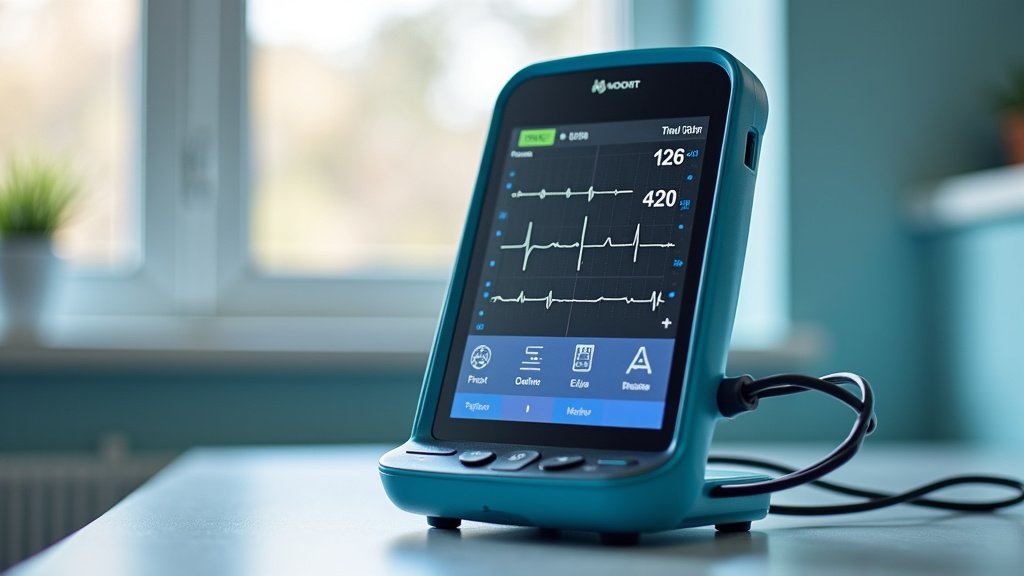
Not all EKG monitors are the same. While the basic principle is always tracing your heart’s electrical activity, different types serve different purposes. Your doctor will choose the best type based on your symptoms and what they need to find out.
Resting EKG
This is the most common type of EKG, the one we just described. You lie still, and the machine records your heart’s activity for a few minutes. It’s a snapshot of your heart at rest. This is great for finding immediate problems or conditions that are always present.
Stress Test EKG (Exercise EKG)
A stress test EKG measures your heart’s electrical activity while you are exercising. You walk on a treadmill or ride a stationary bike while hooked up to an EKG machine. The idea is to see how your heart performs under physical stress. This can uncover problems that only show up when your heart works harder (NIH).
If you can’t exercise, you might get a “chemical stress test.” Medicine is given to make your heart respond as if you were exercising.
Holter Monitor (Ambulatory EKG)
A Holter monitor is a small, portable EKG device you wear for 24 to 48 hours, or sometimes even longer. It continuously records your heart’s electrical activity as you go about your normal day. This is super helpful for catching irregular heartbeats that don’t happen often but pop up randomly or only under specific circumstances (American Heart Association).
You might be asked to keep a diary of your activities and any symptoms you feel while wearing it. This helps link symptoms to specific heart events.
Event Monitor
Similar to a Holter monitor, an event monitor is also portable. However, it doesn’t record continuously. Instead, it records only when you activate it, usually when you feel symptoms. Or, some advanced event monitors can automatically record when they detect an abnormal rhythm. You might wear this for several weeks. It’s for those very rare symptoms that are hard to catch.
Here’s a quick overview of when each type might be used:
| EKG Type | When It’s Used | Key Feature |
|---|---|---|
| Resting EKG | Routine check-up, urgent symptoms, pre-surgery | Quick snapshot at rest |
| Stress Test EKG | When symptoms appear during exercise | Heart response under physical stress |
| Holter Monitor | For frequent but unpredictable symptoms over 1-2 days | Continuous recording, portable |
| Event Monitor | For rare, unpredictable symptoms over weeks | Records only when activated or automatic |
Interpreting Your EKG Results
Once your EKG is done, a doctor will review the printout or digital display. This is usually a cardiologist (heart specialist) or your primary care physician. They look at several key things to understand what your heart is telling them. Remember, seeing these results can feel a bit like learning a new language.
They are checking for rhythm, rate, and the shape of those squiggly lines. Each part of the wave means something specific. A normal EKG means your heart’s electrical activity is working as expected. It’s a good sign!
What Doctors Look For
Doctors consider many factors when interpreting an EKG. They don’t just look for one thing; they look at the whole picture. It’s like putting together pieces of a puzzle to understand your heart’s condition.
Here’s a checklist of what they’re generally examining:
- Your heart rate (how fast your heart is beating).
- Your heart rhythm (is it regular or irregular?).
- The strength and timing of electrical signals.
- Any signs of heart damage from a past heart attack.
- Evidence of potential blocked arteries or poor blood flow.
- If there’s any thickening or enlargement of your heart muscle.
Sometimes an EKG can be normal even if a heart problem exists, especially if the problem isn’t happening at the moment of the test. That’s why follow-up tests might be needed.
When an EKG Is Not Enough
While EKGs are incredibly useful, they don’t tell the whole story. An EKG doesn’t show blocked arteries directly, nor does it guarantee you won’t have a heart attack in the future. It’s just one piece of your health puzzle. Sometimes, you might need more tests to get a complete diagnosis.
For instance, if your EKG causes concern, your doctor might recommend an echocardiogram (an ultrasound of your heart) or blood tests. These tests can provide additional information about your heart’s structure and function. It’s all about gathering enough information to make the best health decisions for you.
Conclusion
Understanding an EKG monitor helps you feel more in control of your health journey. This simple, painless test gives your doctor vital clues about your heart’s electrical system. Whether it’s a routine check-up, investigating symptoms, or monitoring a chronic condition, EKGs are a cornerstone of heart care. They help doctors detect issues early, from irregular rhythms to signs of a past heart attack. If you have concerns about your heart or experience any of the symptoms discussed, your next step is clear: talk to your doctor. They can determine if an EKG is right for you and help ensure your heart stays as healthy as possible.
Frequently Asked Questions
Is an EKG the same as an echocardiogram?
No, an EKG and an echocardiogram are different tests. An EKG records your heart’s electrical activity. An echocardiogram uses sound waves to create moving pictures of your heart’s structure and how well it pumps blood. Both offer different, important information about your heart.
Can a normal EKG rule out all heart problems?
A normal EKG is good news, but it doesn’t rule out every possible heart problem. It mainly captures what your heart is doing electrically at that moment. Some conditions, like temporary blockages or issues with heart function, might require other tests to detect.
How should I prepare for an EKG test?
Preparing for an EKG is usually very simple! Avoid applying lotions or oils to your chest and limbs on the day of the test. These can make it harder for the electrodes to stick. You should also wear comfortable clothing that allows for easy access to your chest and arms.
Does an EKG hurt or expose me to radiation?
No, an EKG is a completely painless test. The electrodes only detect electrical signals; they do not send electricity into your body. It also does not involve any radiation, making it a very safe procedure.
How long does it take to get EKG results?
For a standard resting EKG, the results are often available quickly. A doctor or technician can review the printout almost immediately. For more complex EKGs, like those from a Holter monitor, it might take a few days for a full interpretation by a cardiologist.
