EKG in Sports Science: Optimizing Performance
EKG in sports science helps athletes optimize performance by monitoring heart rate patterns, detecting abnormal rhythms, and identifying training zones for peak efficiency.
Sports scientists use EKG technology to prevent overtraining, reduce injury risk, and create personalized workout plans based on your heart’s electrical activity.
How EKG Technology Transforms Athletic Training
Your heart tells a story about your athletic potential. When you push your limits during training, your heart responds in specific ways. EKG devices capture these electrical signals and turn them into actionable data.
Think of your heart as the engine of a race car. You wouldn’t drive without checking the engine’s performance, right? EKG monitoring works the same way for athletes.
Sports scientists have found that EKG data reveals patterns invisible to traditional heart rate monitors. These patterns help coaches design training programs that match your body’s natural rhythms.
Real-Time Performance Insights
Modern EKG devices give you instant feedback during workouts. You can see how your heart responds to different intensities and adjust accordingly.
This real-time data prevents you from pushing too hard too fast. It also shows when you’re not working hard enough to trigger improvement.
Recovery Pattern Analysis
Your heart’s recovery speed matters more than you might think. EKG monitoring tracks how quickly your heart rate drops after intense exercise.
Fast recovery usually means good fitness. Slow recovery might signal overtraining or health issues that need attention.
Training Zone Optimization Through EKG Data
Generic heart rate zones don’t work for everyone. Your optimal training zones depend on your unique physiology. EKG testing helps find your personal sweet spots.
Research from exercise physiology labs shows that individualized zones improve training efficiency by up to 30% compared to standard formulas (American College of Sports Medicine).
Aerobic Threshold Identification
Your aerobic threshold is the point where your body switches from burning mostly fat to mostly carbohydrates. EKG data helps pinpoint this exact moment.
Training just below this threshold builds endurance without excessive fatigue. Training above it improves your ability to handle lactate buildup.
Finding Your Personal Numbers
Standard formulas estimate your max heart rate at 220 minus your age. But EKG testing often reveals your actual max is different.
Some athletes have maximum heart rates 20-30 beats higher or lower than the formula suggests. This makes a huge difference in training effectiveness.
Anaerobic Power Assessment
EKG monitoring during high-intensity intervals shows how well your heart handles sudden demands. This information guides power training programs.
Your heart rate variability during these intervals also indicates your nervous system’s readiness for intense training.
Injury Prevention and Health Monitoring
EKG devices can catch problems before they become serious injuries. Abnormal heart rhythms during exercise might signal underlying issues.
Many professional sports teams now use EKG screening to protect their athletes. The technology identifies conditions that could cause sudden cardiac events.
Overtraining Detection
Overtraining syndrome affects many dedicated athletes. Your heart often shows warning signs before you feel tired or weak.
EKG monitoring reveals changes in heart rate variability that indicate excessive stress on your body. These changes appear weeks before other symptoms.
Warning Signs to Watch
Key EKG indicators of overtraining include:
- Decreased heart rate variability
- Elevated resting heart rate
- Slower recovery after workouts
- Irregular rhythm patterns during rest
Cardiac Abnormality Screening
Some heart conditions only appear during exercise. Regular EKG monitoring during training can catch these issues early.
The American Heart Association recommends EKG screening for competitive athletes, especially those with family history of heart problems.
Performance Enhancement Strategies
EKG data opens up new ways to boost your athletic performance. The insights go far beyond basic heart rate tracking.
Professional athletes often see improvements within weeks of starting EKG-guided training programs.
Periodization Based on Heart Patterns
Your training schedule should match your body’s natural cycles. EKG monitoring reveals when your cardiovascular system is ready for hard work.
Some days your heart shows signs of stress even before training starts. On these days, lighter workouts or rest might be more beneficial.
Weekly Pattern Recognition
Many athletes show consistent weekly patterns in their EKG data. You might recover faster on certain days or perform better at specific times.
Coaches use this information to schedule the hardest workouts when your heart is most ready to adapt.
Competition Day Optimization
Pre-competition EKG readings help determine your readiness to perform. Your heart rate variability before events can predict performance outcomes.
High variability usually means your nervous system is balanced and ready. Low variability might indicate you need more warm-up time or mental preparation.
Technology Integration in Modern Sports
Today’s EKG devices are smaller, smarter, and more accurate than ever. Many integrate with other sports technology for complete performance pictures.
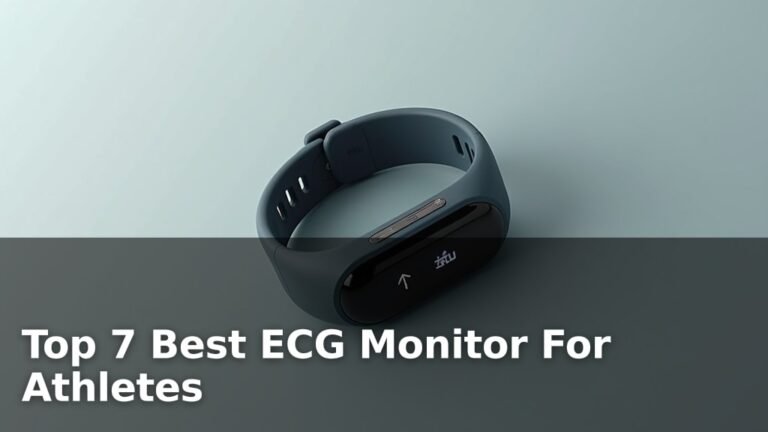
Wearable EKG monitors can track your heart’s electrical activity throughout entire training sessions without interfering with movement.
Data Analysis Software
Raw EKG data means nothing without proper analysis. Modern software turns complex electrical patterns into simple, actionable advice.
These programs can spot trends over weeks or months that human eyes might miss.
AI-Powered Insights
Artificial intelligence now helps interpret EKG data for athletic applications. These systems learn your personal patterns and provide increasingly accurate recommendations.
Some AI programs can predict when you’re likely to have your best training days based on historical EKG patterns.
Team Integration Benefits
When entire teams use EKG monitoring, coaches can compare players and identify those who might need modified training approaches.
Team medical staff can also spot players who might be at risk for cardiac issues during intense training or competition.
Practical Implementation Guidelines
Starting with EKG monitoring doesn’t have to be complicated. You can begin with basic measurements and add complexity as you learn.
The key is consistent data collection. Sporadic monitoring won’t give you the patterns needed for meaningful insights.
Equipment Selection
Choose EKG devices designed for sports use. Medical-grade accuracy matters, but the device also needs to handle sweat and movement.
Many sports EKG devices now offer real-time feedback through smartphone apps or wrist displays.
Cost Considerations
Professional-grade EKG monitoring equipment can be expensive. But even consumer-level devices provide valuable insights for serious athletes.
The investment often pays off through improved training efficiency and injury prevention.
| Device Type | Accuracy Level | Typical Cost Range | Best Use Case |
|---|---|---|---|
| Consumer Wearables | Good | $100-$500 | Individual athletes, basic monitoring |
| Sports-Specific EKG | High | $500-$2000 | Serious athletes, detailed analysis |
| Professional Systems | Medical Grade | $2000+ | Teams, research applications |
Training Protocol Development
Work with coaches or sports scientists who understand EKG data interpretation. The technology is only as good as the person analyzing the results.
Start with baseline measurements during rest and light exercise. Build a database of your normal patterns before using the data for training decisions.
Future Directions in Sports EKG
EKG technology in sports continues advancing rapidly. New developments promise even better insights into athletic performance and health.
Research teams worldwide are studying how EKG patterns relate to specific sports performance metrics.
Predictive Analytics
Future EKG systems might predict your performance potential weeks in advance. They could recommend specific training approaches based on your heart’s unique characteristics.
Some researchers are working on systems that adjust training programs automatically based on daily EKG readings.
Personalized Medicine Integration
Genetic testing combined with EKG monitoring could create ultra-personalized training programs. Your DNA and heart patterns together might reveal your optimal training approach.
This level of personalization could help athletes reach potential they never knew they had.
Conclusion
EKG technology transforms how athletes train, recover, and perform. By monitoring your heart’s electrical activity, you gain insights that traditional methods miss. The technology helps optimize training zones, prevent injuries, and boost performance through data-driven decisions.
Whether you’re a weekend warrior or professional athlete, EKG monitoring offers real benefits. The key is consistent use and proper interpretation of the data. As the technology continues improving, expect even more powerful tools to help you reach your athletic goals safely and efficiently.
Can EKG monitoring replace traditional heart rate monitors for athletes?
EKG devices provide more detailed information than basic heart rate monitors, including rhythm analysis and electrical pattern detection. While they’re more expensive, they offer superior insights for serious athletes who want comprehensive cardiac data during training.
How often should athletes perform EKG monitoring during training?
Daily EKG readings provide the most useful pattern recognition data. Many athletes check their EKG each morning for baseline measurements and during key workouts to track performance responses and recovery patterns.
What heart rate variability numbers indicate good athletic readiness?
Heart rate variability varies greatly between individuals, so personal baselines matter more than absolute numbers. Generally, higher variability indicates better recovery and readiness, while consistently low variability might suggest overtraining or illness.
Are consumer EKG devices accurate enough for athletic training purposes?
Modern consumer EKG devices offer sufficient accuracy for training guidance when used consistently. While not medical-grade, they provide reliable trend data that helps optimize workouts and monitor recovery patterns for most athletic applications.
Can EKG data help predict athletic performance on competition days?
Pre-competition EKG readings, especially heart rate variability measurements, can indicate nervous system readiness and stress levels. Athletes with balanced autonomic function typically perform better, making EKG a useful tool for competition preparation and mental readiness assessment.