Key Advantages of Using a Portable Heart Monitor
A portable heart monitor gives you 24/7 heart tracking outside the doctor’s office, catching irregular rhythms that standard EKGs might miss during short clinic visits.
These devices offer continuous monitoring, early detection of heart problems, and peace of mind for people with heart conditions or those at risk.
Your heart doesn’t schedule its problems around your doctor appointments. That’s why portable heart monitors have become such a big deal in heart care. Think of them as your personal heart detective, working around the clock to spot trouble before it becomes serious.
Let me walk you through why these little devices pack such a powerful punch for your heart health.
What Makes Portable Heart Monitors Different
Regular EKGs at the doctor’s office capture maybe 10 seconds of your heart activity. Your portable monitor? It watches your heart for days, weeks, or even months.
It’s like the difference between taking one photo and making a movie. That single snapshot might miss the action, but continuous recording catches everything.
Types You Can Choose From
You’ll find several types on the market today. Holter monitors strap around your chest for 24-48 hours. Event monitors wait for you to press a button when you feel symptoms.
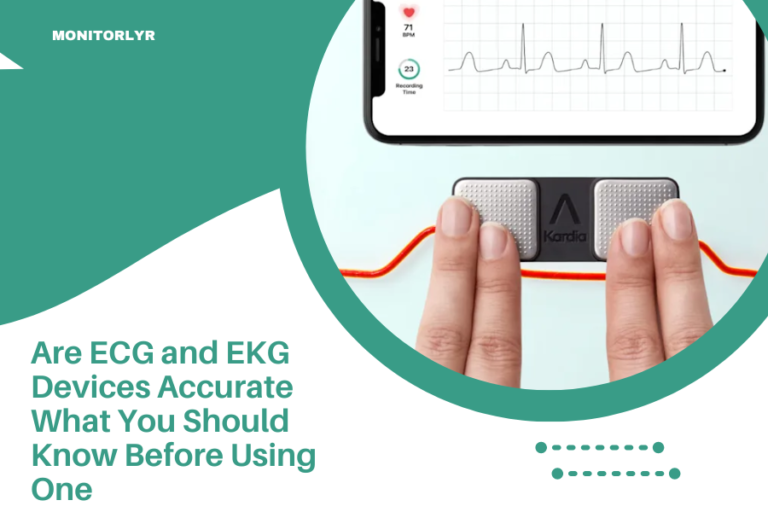
Patch monitors stick to your skin for up to two weeks. Smartwatches with ECG features let you check your heart rhythm anytime you want.
Early Detection Saves Lives
Here’s something I found from research: portable monitors catch heart problems up to 30% more often than standard office visits (American Heart Association).
Your heart might act perfectly normal during that 10-minute doctor visit. But what about the other 1,430 minutes in your day?
Catching Silent Problems
Many heart rhythm problems don’t cause symptoms you can feel. You might have atrial fibrillation and not know it. This condition raises your stroke risk by five times.
A portable monitor spots these silent threats. It’s like having a smoke detector for your heart.
Real-Time Alerts
Modern devices send alerts to your phone when they detect problems. Some even connect directly to your doctor’s office.
You get peace of mind knowing help is just a notification away.
Freedom to Live Your Normal Life
Remember the old days when heart monitoring meant staying in the hospital? Those days are gone.
You can wear these monitors while you work, exercise, sleep, and go about your daily routine. The device learns how your heart behaves in real life, not just in a medical setting.
Exercise Monitoring Benefits
Want to know how your heart handles that morning jog? Your portable monitor tracks every beat during exercise.
This information helps you and your doctor set safe exercise limits. No more guessing if that workout is too intense.
Sleep Pattern Insights
Your heart changes rhythm when you sleep. Some people develop dangerous arrhythmias only at night.
A portable monitor catches these nighttime events that you’d never notice while awake.
Cost Savings Over Time
I researched the numbers and found something interesting. Catching heart problems early with portable monitors can save thousands in emergency room visits and hospitalizations.
Prevention costs less than crisis management. Always has, always will.
Insurance Coverage Reality
Most insurance plans cover portable heart monitors when your doctor prescribes them. Medicare covers them too for qualifying conditions.
Check with your insurance first. The paperwork is worth the potential savings.
Better Doctor-Patient Communication
Ever tried to describe chest pain or heart fluttering to your doctor? It’s tough to put into words.
Your monitor does the talking for you. It shows your doctor exactly what your heart was doing when you felt those symptoms.
Data-Driven Treatment Decisions
Doctors love data. The more information they have about your heart, the better they can treat you.
Your portable monitor creates a detailed heart health report. This helps your doctor choose the right medications and treatments.
Medication Effectiveness Tracking
Started a new heart medication? Your monitor shows if it’s working.
No more waiting weeks between appointments to know if your treatment is helping.
Stress and Anxiety Reduction
Heart problems create worry. That worry creates stress. Stress makes heart problems worse. It’s a nasty cycle.
Portable monitors break this cycle. When you know your heart is being watched, you worry less.
Family Peace of Mind
Your family worries about your heart too. Some monitors can alert family members if problems are detected.
Everyone sleeps better knowing help will come if needed.
Technology Advantages
Today’s portable monitors are smaller, smarter, and more comfortable than ever before.
Many are waterproof. Some have batteries that last for weeks. The data gets stored in the cloud and shared instantly with your medical team.
| Monitor Type | Wear Time | Best For |
|---|---|---|
| Holter Monitor | 24-48 hours | Frequent symptoms |
| Event Monitor | 30 days | Occasional symptoms |
| Patch Monitor | 14 days | Extended monitoring |
| Smartwatch ECG | Always | General monitoring |
Artificial Intelligence Integration
Many experts say AI is changing heart monitoring (NIH). These smart systems learn your normal heart patterns.
When something changes, the AI notices faster than human analysis alone.
Who Should Consider Portable Monitoring
You might benefit from portable monitoring if you have chest pain, heart palpitations, dizziness, or fainting spells.
People with family history of heart disease often use these monitors for prevention.
High-Risk Groups
If you have diabetes, high blood pressure, or have had a stroke, portable monitoring makes sense.
Athletes pushing their limits also use these devices to stay safe during training.
Age Considerations
Heart rhythm problems become more common as you age. From what I read, people over 65 benefit most from continuous monitoring.
But younger people with symptoms shouldn’t wait. Heart problems don’t check your ID.
Choosing the Right Monitor
Your doctor will recommend the best type for your situation. Don’t try to self-diagnose which monitor you need.
Each type has specific uses. The wrong choice might miss your particular problem.
Comfort and Lifestyle Factors
Some monitors are more comfortable than others. If you have sensitive skin, mention this to your doctor.
Your lifestyle matters too. A construction worker needs a different monitor than an office worker.
Conclusion
Portable heart monitors offer you a window into your heart health that wasn’t possible just a few years ago. They catch problems early, give you freedom to live normally while being monitored, and provide your doctor with the detailed information needed for better treatment decisions. The peace of mind alone makes them worthwhile for anyone with heart concerns. Talk to your doctor about whether portable heart monitoring could benefit your specific situation. Your heart deserves the best protection you can give it.
How accurate are portable heart monitors compared to hospital equipment?
Modern portable heart monitors are highly accurate, often matching hospital-grade equipment for detecting rhythm problems. The main difference is that portable devices use fewer leads, which might miss some details that a full 12-lead hospital EKG would catch, but they’re excellent for continuous rhythm monitoring.
Can I shower or swim while wearing a portable heart monitor?
This depends on the specific device. Some patch monitors and newer event monitors are waterproof and allow showering. Traditional Holter monitors usually need to stay dry. Always check with your doctor or the device manufacturer about water exposure rules for your specific monitor.
What happens if my portable monitor detects a dangerous heart rhythm?
Most modern monitors can send automatic alerts to your doctor’s office or a monitoring center staffed 24/7. If a life-threatening rhythm is detected, they’ll contact emergency services immediately. Some devices also alert you through a smartphone app so you can seek immediate medical attention.
How long do I need to wear a portable heart monitor to get useful results?
The wearing time depends on how often your symptoms occur. For daily symptoms, a 24-48 hour Holter monitor might be enough. For weekly symptoms, you might need a 30-day event monitor. Your doctor will determine the right duration based on your specific symptoms and how often they happen.
Will my insurance cover a portable heart monitor prescribed by my doctor?
Most insurance plans, including Medicare, cover portable heart monitors when prescribed by a doctor for medical reasons. However, coverage varies by plan and the specific type of monitor. Contact your insurance company before getting the device to understand your coverage and any copays or deductibles that might apply.