Using EKG for General Wellness: Is It Necessary?
Using EKG for general wellness isn’t necessary for most healthy people, but it can provide peace of mind and early detection of heart rhythm issues.
Consumer EKG devices offer convenience for tracking heart health trends, though they shouldn’t replace professional medical care or routine checkups.
You’ve probably seen those sleek smartwatches advertising EKG features. Maybe you’re wondering if you need one to stay healthy. The short answer? It depends on your situation.
Let me walk you through what you need to know about EKG devices for wellness monitoring. I’ve researched the science, talked to cardiologists online, and looked at real user experiences.
What Does an EKG Actually Tell You?
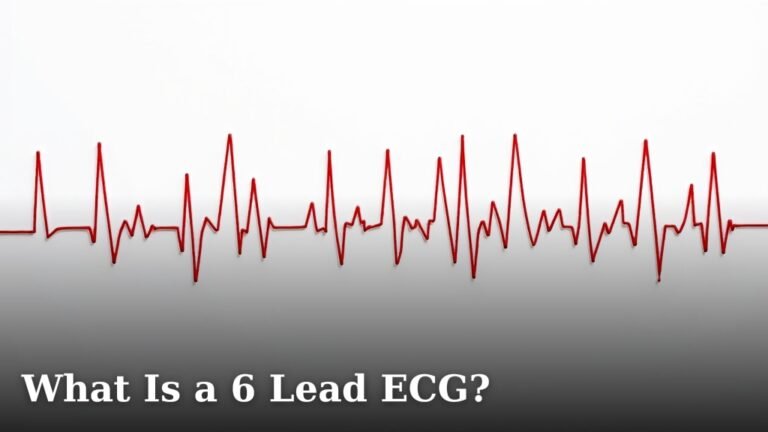
An EKG measures your heart’s electrical activity. Think of it like listening to your heart’s conversation with itself.
Your heart beats because electrical signals tell different chambers when to contract. An EKG captures these signals and shows them as waves on a screen.
The Basic Heart Rhythm Picture
A normal EKG shows a steady pattern. Your heart rate stays within a healthy range. The timing between beats remains consistent.
When something’s off, you might see irregular rhythms. These could signal atrial fibrillation, heart block, or other conditions.
What EKGs Can’t Show
Here’s what surprises many people: EKGs don’t show blockages in your arteries. They can’t predict heart attacks weeks in advance.
They also miss problems that aren’t happening during the exact moment you’re recording. Your heart might act up at 3 PM, but if you test at 9 AM, everything looks normal.
Consumer EKG Devices vs Professional Equipment
The EKG in your doctor’s office uses 12 leads attached to your chest and limbs. Consumer devices typically use 1-3 leads.
This difference matters. Professional EKGs see your heart from multiple angles, like having security cameras in every corner of a room.
Accuracy of Consumer Devices
I found that FDA-approved consumer EKG devices are quite good at detecting atrial fibrillation. The Apple Watch, for example, shows about 85% accuracy in clinical studies (FDA).
But they struggle with other rhythm problems. They also generate false alarms that can cause unnecessary anxiety.
Popular Consumer EKG Options
Several devices dominate the market:
- Apple Watch Series 4 and newer
- Samsung Galaxy Watch series
- KardiaMobile devices
- Fitbit Sense
- Withings ScanWatch
Each has different features, accuracy levels, and price points. Some require you to touch the device with your finger. Others work automatically.
Who Actually Benefits from Wellness EKG Monitoring?
Not everyone needs an EKG device. Let me break down who might actually benefit.
People with Family History
If heart disease runs in your family, monitoring makes more sense. You’re watching for early warning signs of genetic predispositions.
This applies especially to sudden cardiac death, arrhythmias, or early heart disease in relatives.
Adults Over 65
Age increases your risk of atrial fibrillation. About 9% of people over 65 develop this condition (American Heart Association).
Catching it early matters because atrial fibrillation increases stroke risk by five times.
People with Risk Factors
Certain conditions make heart rhythm problems more likely:
- High blood pressure
- Diabetes
- Sleep apnea
- Thyroid disorders
- Obesity
If you have multiple risk factors, tracking might catch problems before symptoms appear.
When EKG Monitoring Might Be Overkill
Healthy young adults without risk factors probably don’t need regular EKG monitoring. You’re solving a problem you’re unlikely to have.
The Anxiety Factor
Some people become obsessed with their readings. They check constantly, worry about normal variations, and create stress where none existed.
If you’re prone to health anxiety, consumer EKG devices might do more harm than good.
Cost vs Benefit Analysis
EKG-capable smartwatches cost $200-400. Standalone devices range from $100-200. Ask yourself: will this information actually change what you do?
For many people, the money might be better spent on a gym membership, healthier food, or stress reduction activities.
Understanding EKG Results as a Consumer
Reading EKG results isn’t straightforward. Even doctors sometimes disagree on interpretations.
Normal vs Abnormal Readings
Consumer devices usually give you simple classifications: Normal, Possible AFib, or Inconclusive.
But “normal” doesn’t mean perfect health. And “abnormal” doesn’t always mean you’re in danger.
When to Take Action
Call your doctor if you see:
- Consistent abnormal readings
- New symptoms like chest pain or dizziness
- Sudden changes in your usual pattern
Don’t panic over single abnormal readings. Your heart can have temporary blips that mean nothing.
The Science Behind EKG Wellness Monitoring
Large studies show mixed results for consumer EKG monitoring. Some find benefits, others question the value.
The Apple Heart Study Results
Apple partnered with Stanford to study 400,000 Apple Watch users. They found the device caught previously undiagnosed atrial fibrillation in some participants (Stanford Medicine).
But the false positive rate was also significant. Many people got unnecessary medical evaluations.
Professional Medical Opinion
Cardiologists are split on consumer EKG devices. Some love the early detection potential. Others worry about false alarms and patient anxiety.
The American College of Cardiology suggests these devices work best as supplements to, not replacements for, regular medical care.
Practical Tips for Using EKG Devices
If you decide to try EKG monitoring, here’s how to do it smartly.
Establish Your Baseline
Take readings at different times of day when you feel normal. This gives you a reference point for comparison.
Your heart rate and rhythm change throughout the day. What’s normal for you at 6 AM might be different at 10 PM.
Track Symptoms, Not Just Numbers
Note how you feel during readings. Are you stressed? Did you just drink coffee? Were you exercising?
This context helps you and your doctor interpret the data correctly.
Don’t Overanalyze Every Reading
Your heart isn’t a metronome. Small variations are completely normal and healthy.
Focus on patterns over days and weeks, not individual measurements.
Integration with Healthcare Providers
The best consumer EKG devices let you share data with your doctor. This bridges the gap between home monitoring and professional care.
What Doctors Want to See
Your cardiologist cares more about trends than single readings. Bring data that shows patterns over time.
Also bring any symptoms you experienced during abnormal readings. This helps with diagnosis and treatment decisions.
Medicare and Insurance Coverage
Most insurance plans don’t cover consumer EKG devices for wellness monitoring. They might cover them if your doctor prescribes one for a specific medical condition.
Check with your insurance before assuming coverage.
Alternatives to EKG Monitoring
EKG devices aren’t the only way to monitor heart health at home.
Heart Rate Variability Tracking
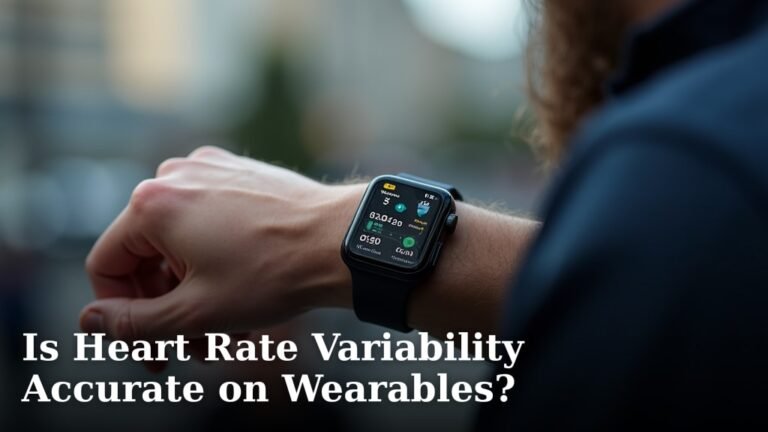
Many fitness trackers measure heart rate variability (HRV). This shows how your heart rate changes between beats.
HRV can indicate stress levels, recovery status, and overall cardiovascular fitness.
Blood Pressure Monitoring
High blood pressure is a bigger risk factor for most people than rhythm problems. Home blood pressure monitors cost less than EKG devices and provide more actionable data for many users.
Activity and Sleep Tracking
Regular exercise and good sleep have bigger impacts on heart health than EKG monitoring for most people.
Focus on the basics first: move more, sleep better, manage stress, eat well.
Future of Consumer EKG Technology
The technology keeps improving. Newer devices are more accurate and easier to use.
AI Integration
Artificial intelligence is getting better at interpreting EKG data. This might reduce false positives and catch subtle problems humans miss.
But AI isn’t perfect either. It still needs human oversight and interpretation.
Continuous Monitoring Advances
Future devices might monitor your EKG 24/7 without you thinking about it. This could catch intermittent problems current devices miss.
Privacy and data security will become bigger concerns as monitoring becomes more pervasive.
Making Your Decision
So is EKG monitoring right for you? Ask yourself these questions:
- Do I have risk factors for heart disease?
- Would this information change my behavior?
- Can I handle occasional false alarms without excessive worry?
- Am I already doing the basics (exercise, diet, sleep, stress management)?
Start with Your Doctor
Before buying any device, talk to your healthcare provider. They know your risk factors and can give personalized advice.
They might recommend professional monitoring instead of consumer devices, depending on your situation.
Questions to Ask Your Doctor
When discussing EKG monitoring with your physician, consider asking:
- Based on my health history, would EKG monitoring benefit me?
- What symptoms should prompt me to take an EKG reading?
- How often should I monitor if I get a device?
- What should I do if I get an abnormal reading?
Cost Considerations
EKG-capable devices range from $79 for basic models to over $400 for premium smartwatches.
Hidden Costs
Some devices require monthly subscriptions for advanced features. Others need replacement sensors or strips.
Factor in potential medical visits triggered by abnormal readings. While necessary for true problems, false alarms can get expensive.
Insurance Reimbursement
Health Savings Accounts (HSAs) sometimes cover these devices if your doctor writes a prescription. Check your plan’s rules.
Some employers offer wellness reimbursements that might cover part of the cost.
Real-World User Experiences
I found mixed reviews from actual users online. Some love the peace of mind. Others got tired of false alarms and stopped using their devices.
Success Stories
Some people discovered atrial fibrillation through their smartwatch and got treatment before having strokes. These stories make headlines and drive sales.
But remember: these represent a small percentage of users. Most people never detect anything requiring medical attention.
Common Complaints
Users often complain about:
- Inconsistent readings
- False alarms causing anxiety
- Difficulty getting clear readings
- Battery drain on smartwatches
- Confusing results interpretation
Conclusion
EKG monitoring for general wellness isn’t necessary for most people. But it can provide value for those with risk factors or family history of heart disease.
Before investing in a device, focus on proven heart health strategies: regular exercise, healthy eating, stress management, and adequate sleep. These fundamentals matter more than monitoring for most people.
If you choose to monitor, use the device as a supplement to regular medical care, not a replacement. Share data with your healthcare provider and don’t let false alarms drive you to panic.
The technology will keep improving, making these devices more accurate and useful over time. But right now, they work best for specific populations rather than everyone.
Is EKG monitoring worth it for someone with no heart disease symptoms?
For most healthy people without symptoms or risk factors, EKG monitoring provides minimal benefit and may create unnecessary anxiety. Focus on established heart health practices like regular exercise and healthy eating instead.
How accurate are consumer EKG devices compared to hospital equipment?
Consumer devices are reasonably accurate for detecting atrial fibrillation (about 85% accuracy) but use fewer leads than hospital EKGs, making them less comprehensive. They’re good screening tools but not diagnostic replacements.
Can EKG devices detect heart attacks before they happen?
No, EKG devices cannot predict heart attacks. They detect rhythm problems, not blockages in arteries that cause most heart attacks. They also only capture what’s happening during the brief recording period.
What should I do if my consumer EKG device shows an abnormal reading?
Don’t panic over a single abnormal reading. Take another reading when calm and rested. If you see consistent abnormal results or have symptoms like chest pain or dizziness, contact your healthcare provider promptly.
Are there any risks to using consumer EKG devices regularly?
The main risks are psychological rather than physical: increased anxiety from false alarms, over-monitoring behavior, and potentially unnecessary medical visits. Some people become obsessively focused on their readings rather than overall health habits.