Does an EKG Show Clogged Arteries? The Truth
An EKG does not directly show clogged arteries, but it can reveal signs that suggest blockages may be present.
While an EKG detects electrical activity in your heart, clogged arteries require different tests like coronary angiography for direct visualization.
What an EKG Actually Shows
Think of an EKG like listening to your car engine. You can hear if something’s wrong, but you can’t see inside the motor. That’s exactly how an EKG works with your heart.
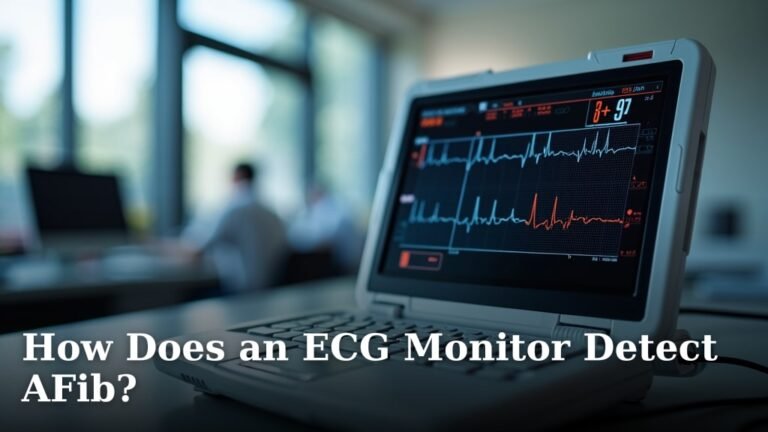
An EKG measures the electrical signals that make your heart beat. When you get this test, small sensors stick to your chest and record these signals as wavy lines on paper or a screen.
Your heart muscle needs oxygen to work properly. When arteries get clogged, parts of your heart don’t get enough oxygen. This shows up as changes in those electrical patterns.
Signs an EKG Can Detect
Your EKG might show these warning signs that could point to clogged arteries:
- Abnormal heart rhythms that suggest poor blood flow
- Changes in the electrical pattern during a heart attack
- Signs of previous heart damage from blocked arteries
- Unusual electrical activity during exercise stress tests
What an EKG Cannot See
Here’s what your EKG won’t tell you directly:
- The exact location of blockages
- How severe the blockage is
- Which specific artery has problems
- Early-stage plaque buildup
The Difference Between Electrical Problems and Plumbing Problems
Your heart has two main systems that can have issues. I like to think of them as the electrical system and the plumbing system.
The Electrical System
This controls your heartbeat rhythm. An EKG directly measures this system. Problems here include irregular heartbeats, too-fast rhythms, or too-slow rhythms.
Sometimes these electrical issues happen because of plumbing problems, but not always.
The Plumbing System
These are your coronary arteries that carry blood to your heart muscle. Clogged arteries are plumbing problems. An EKG can only guess at plumbing issues based on electrical changes.
You might have significant artery blockages without any EKG changes at all, especially in the early stages.
When EKG Changes Suggest Artery Problems
Research shows that certain EKG patterns often connect with clogged arteries. I found that cardiologists look for specific changes that suggest your heart isn’t getting enough blood.
During a Heart Attack
When an artery gets completely blocked, your EKG will show dramatic changes within minutes. These patterns are so reliable that emergency doctors use them to diagnose heart attacks quickly.
The EKG shows which part of your heart is in trouble, helping doctors figure out which artery is blocked.
During Exercise Testing
A stress test combines exercise with EKG monitoring. As you work harder, your heart needs more oxygen. If arteries can’t deliver enough blood, the EKG will show warning signs.
This test catches problems that don’t show up when you’re resting quietly.
What Stress Test Changes Mean
When I researched stress testing, I found that specific EKG changes during exercise strongly suggest blocked arteries. The test stops immediately if dangerous patterns appear.
Normal people can exercise hard without EKG changes. If yours change with mild exercise, that’s a red flag.
Tests That Actually Show Clogged Arteries
Want to see your arteries directly? You need different tests. Here’s what actually shows blockages:
Coronary Angiography
This is the gold standard test. Doctors inject dye into your arteries and take X-ray movies. You can literally see the blockages on the screen.
It’s like taking apart your car engine to see exactly what’s broken. Very accurate, but more involved than an EKG.
CT Coronary Angiography
A newer option that uses CT scans instead of threading tubes into your heart. Less invasive than regular angiography, but still shows your arteries directly.
Many experts consider this a good middle ground between EKG and traditional angiography (American Heart Association).
Nuclear Stress Testing
This combines exercise with radioactive tracers that show blood flow to different parts of your heart. Areas with poor blood flow light up differently.
Think of it as a heat map of your heart’s blood supply.
Why Your Doctor Might Start with an EKG
If EKGs don’t directly show clogged arteries, why do doctors order them so often? Great question.
It’s Fast and Cheap
An EKG takes five minutes and costs very little. Other artery tests take hours and cost thousands of dollars.
Your doctor can rule out major problems or decide if you need more expensive testing.
It Shows Other Important Things
Beyond artery problems, EKGs catch:
- Heart rhythm disorders
- Signs of previous heart attacks
- Heart muscle thickening
- Electrolyte imbalances
Building the Complete Picture
Smart doctors don’t rely on just one test. They combine your EKG results with your symptoms, physical exam, and risk factors.
Someone with chest pain and EKG changes needs immediate attention. Someone with no symptoms and normal EKG might just need lifestyle changes.
What to Expect from Your EKG
Getting an EKG is simple and painless. Here’s what happens:
The Process
You’ll lie on an exam table while a technician places small stickers on your chest, arms, and legs. These connect to wires that feed into the EKG machine.
Stay still for about 10 seconds while the machine records your heart’s electrical activity. That’s it.
Reading Your Results
Don’t try to interpret your own EKG. Those squiggly lines mean different things depending on your age, sex, medications, and other factors.
Your doctor will explain what the results mean for your specific situation.
When to Worry About EKG Results
Some EKG findings need immediate attention. Others are just something to watch.
Emergency Situations
If your EKG shows signs of an active heart attack, you’ll head straight to the cardiac catheterization lab. Time is muscle when arteries are blocked.
Don’t panic if medical staff move quickly after your EKG. Fast treatment saves lives and prevents heart damage.
Less Urgent Findings
Many EKG changes aren’t emergencies. Your doctor might schedule follow-up tests or start medications while planning further evaluation.
Ask questions if you’re confused about what happens next.
Improving Your Heart Health While Waiting for Results
Want to help your arteries while doctors figure out what’s going on? You can start making heart-healthy changes right away.
Diet Changes That Help
Research consistently shows that certain foods protect your arteries. From what I found, the Mediterranean diet gets the best results for heart health (NIH).
Focus on vegetables, fruits, whole grains, and fish. Limit processed foods and red meat.
Exercise Guidelines
Check with your doctor before starting exercise if you have heart symptoms. Most people can safely walk for 30 minutes daily.
Exercise helps open up small blood vessels around your heart, creating natural bypasses.
Simple Steps to Start
Begin with what you can handle. Even 10 minutes of walking helps your circulation. Add time gradually as you get stronger.
Listen to your body. Stop if you get chest pain, shortness of breath, or dizziness.
The Bottom Line on EKGs and Arteries
An EKG gives you valuable information about your heart, but it’s not a direct window into your arteries. Think of it as one piece of the puzzle.
If your doctor suspects artery problems based on your EKG and other factors, they’ll order tests that actually show your blood vessels.
Don’t skip your EKG if your doctor recommends it. While it won’t show clogged arteries directly, it provides important clues about your heart health.
Conclusion
Your EKG won’t show clogged arteries like a photograph, but it can reveal important clues that blockages might be affecting your heart. This simple test measures electrical activity and can detect when parts of your heart aren’t getting enough blood. If your doctor suspects artery problems based on your EKG results, symptoms, and risk factors, they’ll order more specific tests like angiography to see your blood vessels directly. Remember that an EKG is just one tool in your doctor’s toolkit for keeping your heart healthy. Use the results as motivation to take care of your cardiovascular system through good nutrition, regular exercise, and following your doctor’s recommendations.
Can you have normal EKG results but still have clogged arteries?
Yes, you can have significant artery blockages with a completely normal resting EKG. Many people with early to moderate coronary artery disease show no EKG changes until they exercise or have a heart attack. This is why doctors often recommend stress testing or other imaging if they suspect artery problems despite normal EKG results.
How often should you get an EKG to check for heart problems?
Most healthy adults don’t need routine EKGs unless they have symptoms or risk factors. Your doctor might recommend annual EKGs if you have diabetes, high blood pressure, family history of heart disease, or take certain medications. People with known heart conditions typically need EKGs every 3-6 months or whenever symptoms change.
What’s the difference between an EKG and an echocardiogram for detecting artery issues?
An EKG measures electrical activity while an echocardiogram uses sound waves to create pictures of your heart structure and function. Neither test directly shows artery blockages, but an echo can detect wall motion problems that suggest poor blood flow to certain areas of your heart muscle.
Can medications affect EKG results when looking for artery problems?
Yes, many medications can change your EKG patterns. Blood pressure medications, heart rhythm drugs, and even some antidepressants can alter electrical activity. Always tell your doctor about all medications and supplements you’re taking before EKG interpretation, as this affects how they read your results.
What should you do if your EKG shows possible signs of artery blockage?
Don’t panic, but take it seriously. Follow up with your doctor promptly to discuss next steps, which might include stress testing, imaging, or cardiology consultation. Continue taking any prescribed medications, avoid strenuous activity until cleared, and watch for symptoms like chest pain or shortness of breath that might need immediate medical attention.