
What Does a Heart Murmur Sound Like?
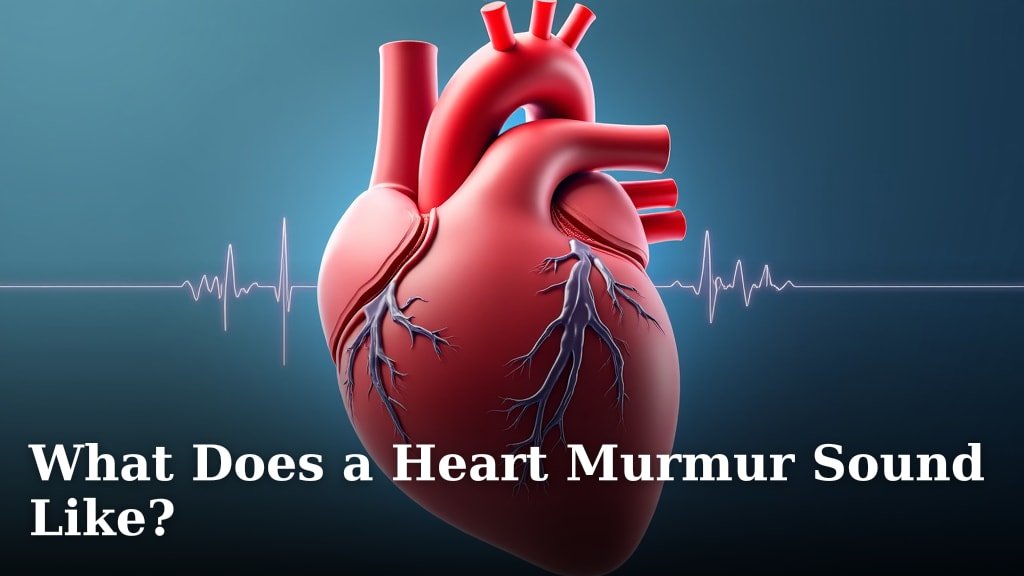
A heart murmur sounds like an extra noise during your heartbeat, often described as a whooshing, swishing, or even a clicking sound. This sound happens when blood flows abnormally through your heart valves or blood vessels. It’s a distinct sound your doctor can hear with a stethoscope during an examination.
Many heart murmurs are completely harmless, meaning they don’t indicate a serious heart problem. These are often called “innocent” murmurs and are quite common, especially in children. However, some murmurs can signal an underlying heart condition that might need attention, so getting it checked out is always wise.
- A heart murmur is an extra sound during your heartbeat.
- Sounds can be whooshing, swishing, or clicking.
- It means blood is flowing unusually through your heart.
- Many murmurs are harmless (“innocent” murmurs).
- Sometimes, a murmur can point to a heart problem.
Let’s find out more about what causes these sounds, when to worry, and what your doctor might do next if you have one.
Decoding the Sounds of a Heart Murmur
When your doctor listens to your heart, they’re listening for its rhythm and any extra sounds. A heart murmur is essentially an extra sound during your heartbeat. Think of it like a ripple in a quiet pond. Instead of a steady “lub-dub,” there’s a gentle swish or whoosh that might accompany it.
These sounds come from blood flowing through your heart. If the flow isn’t perfectly smooth, it creates turbulence. This turbulence is what your doctor hears as a murmur. It’s a subtle difference from the normal heart sounds, which are caused by your heart valves closing.
The Different Types of Murmur Sounds You Might Hear
Not all murmurs sound the same. The specific sound can actually give clues about what might be causing it. We’ve found that the sound depends on where the turbulence occurs, how fast the blood is moving, and the structure of your heart (Cleveland Clinic).
Whooshing or Swishing Sounds
Many people describe a murmur as a whooshing or swishing sound. This is one of the most common descriptions. It suggests that blood is flowing turbulently, perhaps through a slightly narrowed valve or a leaky one. Imagine water rushing through a slightly crimped hose; it makes a similar sound.
Clicking or Gurgling Noises
Sometimes, a murmur might present as a clicking or gurgling noise. A clicking sound often relates to specific valve issues, like a prolapsed mitral valve. This is where the valve flaps don’t close perfectly, causing a little “click.” Gurgling is less common but can also indicate turbulent flow.
Distinguishing “Innocent” from “Abnormal” Murmurs
This is where your doctor’s expertise truly shines. Many murmurs are “innocent,” meaning they are harmless and don’t signal any heart problem. These are especially common in children and usually disappear on their own. They’re like a temporary echo, not a fundamental issue.
On the other hand, an “abnormal” murmur indicates an underlying heart condition. It means there’s something specific causing the turbulent blood flow. Your doctor can often tell the difference based on the murmur’s intensity, timing, and where it’s heard best on your chest.
What Causes Your Heart to Make These Extra Sounds?
Understanding the cause of a heart murmur is key to knowing whether it’s something to simply monitor or if it needs further investigation. The core reason is always about blood flow through the heart. When this flow isn’t smooth, a murmur happens.
Common Causes of Innocent Murmurs
Innocent murmurs are quite frequent, especially in younger individuals. They don’t mean anything is wrong with your heart. We find they are often due to a faster-than-normal blood flow or slight changes in your heart’s structure that are completely normal (NIH).
- Fever: Your heart beats faster during a fever, increasing blood flow.
- Anemia: A low red blood cell count makes your heart work harder.
- Pregnancy: Increased blood volume and flow are normal during pregnancy.
- Growth spurts: Children often have innocent murmurs during periods of rapid growth.
- Thyroid overactivity: An overactive thyroid can speed up your heart rate.
These are all temporary situations where your heart is working a little harder or differently. Once these conditions resolve, the murmur often disappears.
Underlying Heart Conditions Causing Abnormal Murmurs
Abnormal murmurs are different. They point to an issue with your heart’s structure or function. These conditions require attention and often follow-up. They are typically related to problems with your heart valves or the walls of your heart.
Valvular Heart Disease
Your heart has four valves that act like one-way gates, ensuring blood flows in the correct direction. When these valves don’t work properly, they can cause murmurs.
- Stenosis: This means a valve has become narrow, stiff, or hardened. Blood struggles to push through, creating a whooshing sound. Think of trying to pour water through a partially blocked funnel.
- Regurgitation (or Insufficiency): This occurs when a valve doesn’t close completely, allowing blood to leak backward. This backflow also creates a distinct swishing sound. It’s like a door that doesn’t quite latch shut, letting a breeze slip through.
Both stenosis and regurgitation can affect any of your heart’s valves: the mitral, aortic, tricuspid, or pulmonary valves. The location and sound of the murmur help your doctor determine which valve might be affected.
Congenital Heart Defects
Some murmurs are present from birth. These are called congenital heart defects. They are structural problems with the heart that develop before birth. They can range from minor to severe.
- Holes in the Heart: This refers to a small opening between the heart’s chambers (e.g., an atrial septal defect or ventricular septal defect). Blood can flow abnormally between chambers, creating a murmur.
- Other Structural Abnormalities: There are various other defects, such as problems with the great arteries or veins connected to the heart. These also alter blood flow and can lead to a murmur.
Congenital heart defects often require careful monitoring and sometimes interventions. Finding them early can make a big difference.
When Should You Be Concerned About a Heart Murmur?
Discovering you have a heart murmur can be unsettling, even if most are innocent. The key is to know when to seek medical advice. While many murmurs are benign, some symptoms might suggest an underlying problem that needs attention.
Symptoms That May Accompany an Abnormal Murmur
If your murmur is abnormal, you might experience other symptoms alongside it. These symptoms are your body’s way of telling you that your heart might not be working as efficiently as it should. It’s important to pay attention to these signals.
| Symptom | What It Might Mean |
|---|---|
| Shortness of breath | Your heart might not be pumping enough oxygen-rich blood. |
| Chest pain or pressure | Could indicate strain on the heart or issues with blood flow. |
| Dizziness or fainting | Reduced blood flow to the brain, possibly due to heart issues. |
| Chronic cough | Fluid buildup in the lungs from poor heart function. |
| Swelling in legs, ankles, or abdomen | Sign of fluid retention, often linked to heart failure. |
| Fatigue or weakness | Your heart working harder than normal can exhaust you. |
If you experience any of these symptoms with a heart murmur, it’s wise to talk to your doctor promptly. They can help determine if these are related to your murmur or something else entirely.
A Checklist for When to See Your Doctor
It’s always a good idea to discuss any new or changing health concerns with your healthcare provider. Here’s a quick checklist to help you decide when a visit to the doctor is especially important regarding a heart murmur:
- You’ve been told you have a murmur and are experiencing new symptoms like shortness of breath or chest pain.
- You notice swelling in your legs, ankles, or stomach that wasn’t there before.
- You feel unusually tired or weak, and it’s not improving with rest.
- You’ve had dizzy spells or fainted.
- A doctor has never evaluated your murmur, and you’re curious about it.
- You have a family history of heart disease or murmurs.
Even if you’re just unsure, a quick visit can offer peace of mind. Your doctor can assess your specific situation and guide you on the best next steps. Many guidelines point to a discussion with your primary care physician as a good first step (Mayo Clinic).

How Your Doctor Diagnoses a Heart Murmur
When you visit your doctor because of a suspected heart murmur, they will use a combination of examination and tests to understand what’s happening. Their goal is to figure out if the murmur is innocent or if it points to a deeper issue. It’s a bit like being a detective, gathering clues to solve a mystery.
The Physical Examination and Stethoscope
The first and most crucial step is a physical examination. Your doctor will use a stethoscope to listen carefully to your heart. They’ll listen in different spots on your chest and even sometimes on your back. They’re listening for the exact location, timing, and pitch of the murmur.
They might ask you to breathe deeply, hold your breath, or even change positions. These actions can sometimes make a murmur clearer or help them distinguish its characteristics. This initial listening provides a lot of information and helps guide the next steps.
Further Diagnostic Tests Your Doctor Might Order
If your doctor suspects an abnormal murmur, or if they need more information, they might order additional tests. These tests provide a more detailed look at your heart’s structure and function.
- Echocardiogram (Echo): This is a key test. It’s an ultrasound of your heart. It uses sound waves to create moving pictures of your heart’s chambers, valves, and blood vessels. It shows how well your heart is pumping and if there are any valve problems or structural defects.
- Electrocardiogram (ECG or EKG): This test measures the electrical activity of your heart. It can detect abnormal heart rhythms or show if your heart walls are thickened, which can sometimes be linked to murmurs.
- Chest X-ray: A chest X-ray can show the size and shape of your heart and lungs. It can help identify if your heart is enlarged or if there’s fluid in your lungs, which might be related to certain heart conditions.
- Cardiac Catheterization: This is a more invasive procedure. A thin, flexible tube (catheter) is inserted into a blood vessel and guided to your heart. It can measure pressures inside your heart and directly visualize blockages or valve issues. This is usually reserved for more complex cases.
These tests help your doctor get a complete picture of your heart’s health. They can confirm the cause of the murmur and help determine the best course of action, whether it’s simply monitoring or further treatment.
Conclusion
Understanding what a heart murmur sounds like – from a gentle whoosh to a distinct click – can feel a bit complex. We’ve seen that while many murmurs are innocent and harmless, some can point to underlying heart conditions like valve issues or congenital defects. Your doctor uses these sounds, along with any symptoms you might have, to determine the next steps.
The main takeaway is to always get any new or unexplained heart sounds checked by a healthcare professional. They have the tools and expertise to properly diagnose your murmur and guide you on whether it needs monitoring or treatment. Don’t hesitate to reach out to your doctor for peace of mind and personalized advice.
Frequently Asked Questions
Can I hear my own heart murmur?
Generally, no, you cannot hear your own heart murmur. Murmurs are typically very subtle sounds that require a stethoscope and a trained ear to detect. Your doctor listens for specific characteristics of the sound to identify it.
Is a heart murmur always a sign of heart disease?
No, a heart murmur is not always a sign of heart disease. Many murmurs, especially in children, are considered “innocent” and are completely harmless. These do not indicate any underlying heart problem and often resolve on their own.
Do heart murmurs ever go away?
Yes, many heart murmurs, particularly innocent ones, can go away. This is common in children as they grow, or when temporary conditions like fever or pregnancy resolve. Abnormal murmurs caused by structural issues may persist or require treatment.
What’s the difference between a heart murmur and an irregular heartbeat?
A heart murmur is an extra sound during a heartbeat, like a whoosh, caused by turbulent blood flow. An irregular heartbeat (arrhythmia) refers to a problem with the heart’s rhythm, meaning it beats too fast, too slow, or unevenly. They are distinct conditions.
What activities should I avoid if I have a heart murmur?
If you have an innocent heart murmur, you typically don’t need to avoid any activities. However, if your murmur is abnormal or linked to a heart condition, your doctor will provide specific guidance on activity restrictions. Always follow your doctor’s recommendations.
