
Can You Use an ECG Monitor with a Pacemaker?

Yes, you can use an ECG monitor with a pacemaker, but it’s important to understand a few things first. Modern ECG devices are generally safe for pacemaker users when used correctly. You just need to be mindful of how your pacemaker interacts with these monitors.
Many people worry about interference, but advances in technology have reduced these risks significantly. We found that most consumer-grade ECGs pose minimal threat to pacemaker function. Always check with your doctor, though, to be absolutely sure for your specific situation.
- Most ECG monitors are safe with pacemakers.
- Modern technology reduces interference concerns.
- Always consult your doctor before using new devices.
- Some ECGs might show pacemaker activity as artifacts.
- Handheld or wearable ECGs are generally fine.
Let’s dive deeper into how ECG monitors work with pacemakers and what you should keep in mind to ensure your heart health.
Understanding ECG Monitors and Your Pacemaker
You’re probably wondering if that cool new wearable ECG device will play nice with your heart’s electrical buddy, the pacemaker. Good news! For most people, the answer is yes, but with a few important considerations. If you’re looking for a device to monitor your heart, our guide to the best personal ECG monitor can help you choose.
An ECG, or electrocardiogram, simply records the electrical signals in your heart. These signals tell your heart muscles when to contract. A pacemaker, on the other hand, is a small device implanted in your chest to help your heart beat regularly if it’s too slow or irregular.
Think of it this way: your heart is an orchestra, and the pacemaker is a conductor ensuring everyone stays in rhythm. An ECG is like a recording engineer, just listening to the music and documenting what’s happening. The ECG isn’t sending signals; it’s only receiving them.
How Pacemakers Interact with ECG Devices
The main concern people have is about interference. Will the ECG device somehow mess up the pacemaker’s rhythm? This is a very common and valid question, and we’ve looked into it carefully.
Modern pacemakers are designed with shielding to protect them from external electrical interference. They are pretty tough little devices! We found that most consumer-grade ECG monitors use very low electrical currents that are unlikely to affect your pacemaker’s function (American Heart Association).
The electrical fields produced by most portable ECG devices are usually too weak to reprogram or disrupt your pacemaker. This wasn’t always the case with older technology, but things have improved dramatically.
Potential for Signal Interference and Artifacts
While your pacemaker is likely safe, its presence might affect the ECG reading itself. You might see some unusual spikes or patterns on the ECG display. These are called “artifacts.”
Artifacts are basically electrical noise on the ECG tracing that isn’t coming from your heart. Your pacemaker emits its own small electrical pulse, and the ECG can sometimes pick this up. It’s like hearing a little click on a recording that wasn’t part of the original music.
These artifacts don’t mean anything is wrong with your heart or your pacemaker. They just mean the ECG is picking up the pacemaker’s activity. A doctor or technician knows how to distinguish these artifacts from actual heart rhythm issues.
Types of ECG Monitors and Pacemakers
Not all ECG monitors are the same, and neither are all pacemakers. Let’s break down the general categories you might encounter.
Wearable vs. Handheld ECGs
You’ll typically find two main types of consumer ECG devices: wearable and handheld.
- Wearable ECGs: These are often built into smartwatches or chest straps. They continuously monitor your heart or take readings when you initiate them. They are generally considered very safe for pacemaker users due to their design and low power.
- Handheld ECGs: These are small, portable devices where you place your fingers or hands on sensors. They take a snapshot of your heart’s electrical activity for a short period. Again, these are typically safe.
Both types are designed for non-invasive monitoring and usually don’t pose a risk to your implanted device. We found consistent information suggesting their safety (Mayo Clinic).
Different Pacemaker Technologies
Pacemakers also vary. Some are single-chamber, pacing only one part of the heart. Others are dual-chamber, pacing two parts. There are also more advanced devices like biventricular pacemakers (for cardiac resynchronization therapy) or implantable cardioverter-defibrillators (ICDs), which can also deliver a shock if needed.
Regardless of your specific pacemaker type, the general rule about ECG monitoring tends to hold: minimal risk from consumer ECGs. However, if you have an ICD, it’s even more important to discuss any new device use with your cardiologist, just to be extra cautious.
When to Exercise Caution and Consult Your Doctor
While the overall message is positive, there are times when you should definitely hit pause and talk to your doctor. Your specific health situation is unique, and personalized advice is always best.
You wouldn’t buy a new car without checking if it fits your garage, right? The same logic applies here. Before you regularly use a new ECG device, especially if you have concerns, a quick chat with your cardiologist is wise. They know your heart and your pacemaker best.
Key Scenarios for Doctor Consultation
Here’s a simple checklist of situations where consulting your doctor is a must:
- You are experiencing unusual symptoms (dizziness, palpitations, shortness of breath) that you think might be related to your pacemaker or heart rhythm.
- You plan to use an ECG monitor that requires placing electrodes directly on or very near your pacemaker site. Most consumer devices don’t require this, but always check the instructions.
- You have an older model pacemaker or an ICD (Implantable Cardioverter-Defibrillator). While modern devices are robust, your doctor might have specific advice for older technology.
- The ECG device manufacturer specifically states that it’s not recommended for pacemaker users. Always read the fine print!
- You’re just feeling uncertain or anxious. Your peace of mind is important, and your doctor can provide that reassurance.
Interpreting Your ECG Results with a Pacemaker
When you use an ECG monitor, you’ll get a reading. If you have a pacemaker, interpreting this reading can be a bit tricky for an untrained eye. Remember those artifacts we talked about?
A pacemaker’s electrical pulses will often show up as small, sharp spikes on the ECG tracing. These are called “pacemaker spikes”. They look different from your heart’s natural electrical activity. If you see these, it’s usually a sign your pacemaker is doing its job.
Don’t try to self-diagnose complex heart conditions based on these readings. That’s your doctor’s job! Your ECG device is a tool to gather information, not a substitute for medical expertise. Many devices offer an option to share readings with your doctor, which is a great feature to use.
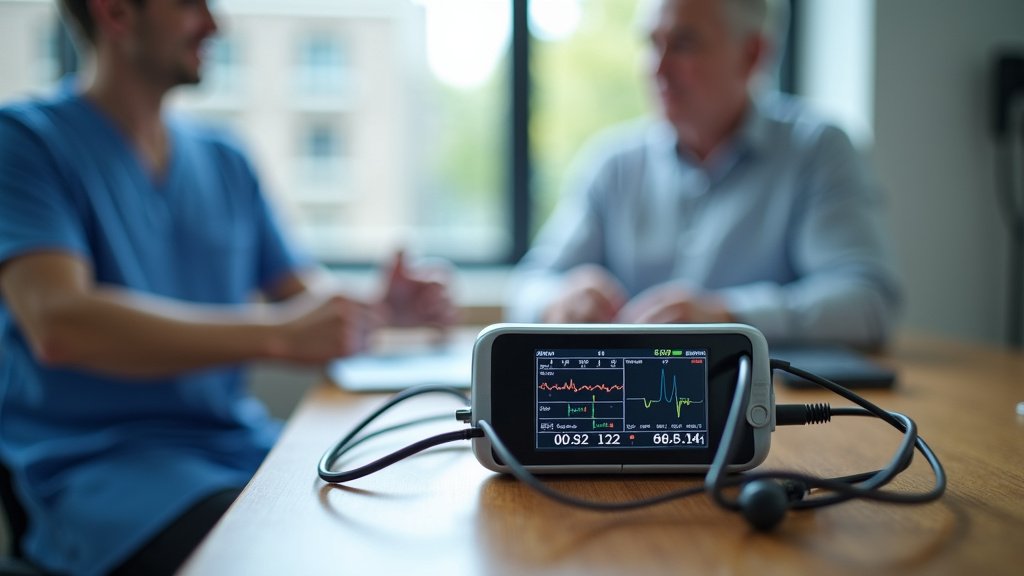
Tips for Safe ECG Monitoring with a Pacemaker
Ready to start monitoring? Great! Here are some practical tips to ensure you do it safely and effectively.
Think of these as your personal guidelines for success. Following these steps can help you get the most accurate readings while keeping your pacemaker happy.
A Quick Checklist for Peace of Mind
Before you power up your ECG, consider this quick safety checklist:
- Consult your cardiologist first. Seriously, this is number one.
- Read the ECG device manual carefully. Pay attention to any warnings about implanted devices.
- Ensure good skin contact for electrodes. This improves signal quality and reduces errors.
- Avoid placing electrodes directly over your pacemaker. Most devices won’t require this anyway.
- Share any concerning readings with your doctor. Don’t try to figure it out alone.
- Keep the device updated. Software updates can improve performance and safety.
Comparing Different ECG Monitor Features
When choosing an ECG monitor, you might see various features. Here’s a quick look at what some common features mean for you:
| Feature | What It Means for Pacemaker Users | Recommendation |
|---|---|---|
| Single-Lead ECG | Records one electrical view of the heart. Most common in consumer devices. | Generally safe; good for basic rhythm checks. |
| Multiple-Lead ECG | Records several electrical views (e.g., 12-lead in hospitals). Rare in consumer devices. | Higher complexity, usually not needed for home monitoring. |
| Bluetooth Connectivity | Allows data to transfer wirelessly to your phone/tablet. | Generally safe; minimal interference risk from Bluetooth. |
| AI Interpretation | Device software attempts to analyze readings for common issues. | Helpful for initial screening, but always confirm with your doctor. |
| Water Resistance | Protects the device from splashes or sweat. | No direct impact on pacemaker interaction, but good for device durability. |
As you can see, most features are about data collection and convenience, not about affecting your pacemaker directly. Your main focus should always be on safety and accurate information delivery to your healthcare team.
Conclusion
You can breathe a sigh of relief: using an ECG monitor with your pacemaker is generally safe. Modern technology has made these devices quite compatible, with minimal risk of interference. The key is understanding that your ECG might show pacemaker activity as artifacts, which is normal. Always prioritize your health and peace of mind by chatting with your cardiologist. They can offer personalized advice for your specific pacemaker and health needs, ensuring you monitor your heart confidently and safely.
Frequently Asked Questions
Will my pacemaker battery drain faster if I use a wearable ECG?
No, using a wearable ECG monitor will not significantly drain your pacemaker battery. Pacemakers have their own power source, and ECG devices are passive receivers of electrical signals. They don’t send out strong enough electrical currents to affect your pacemaker’s energy consumption.
Can a home ECG device reprogram my pacemaker settings by accident?
It’s highly unlikely that a standard home ECG device could accidentally reprogram your pacemaker. Modern pacemakers are designed with advanced shielding against external electrical fields. The low-level electrical signals from consumer ECGs are generally too weak to interfere with or alter your pacemaker’s programmed settings.
Should I remove my smartwatch with an ECG feature if I’m getting a medical procedure?
For most routine medical procedures, you likely won’t need to remove a smartwatch with an ECG feature. However, if the procedure involves strong electromagnetic fields, such as an MRI, you would need to remove all metallic items and discuss any wearables with your medical team beforehand. Always follow your doctor’s specific instructions.
How accurate are consumer ECG readings if I have a pacemaker?
Consumer ECG devices can still provide useful information about your heart rhythm even with a pacemaker. While the pacemaker’s activity might create artifacts on the tracing, a doctor can typically distinguish these from your natural heart signals. The accuracy for detecting underlying rhythm issues (like atrial fibrillation) can still be good, but always have your doctor interpret the full picture.
What if my ECG app tells me there’s an “unclassified” reading when I have a pacemaker?
If your ECG app shows an “unclassified” or “inconclusive” reading, especially with a pacemaker, don’t panic. This often happens because the app’s automated algorithm isn’t designed to interpret pacemaker spikes and other artifacts. It simply means the software can’t confidently categorize the rhythm. It’s best to share such readings with your cardiologist for a professional review.