Who Should Use ECG and EKG Devices A Practical Guide for Everyday Users
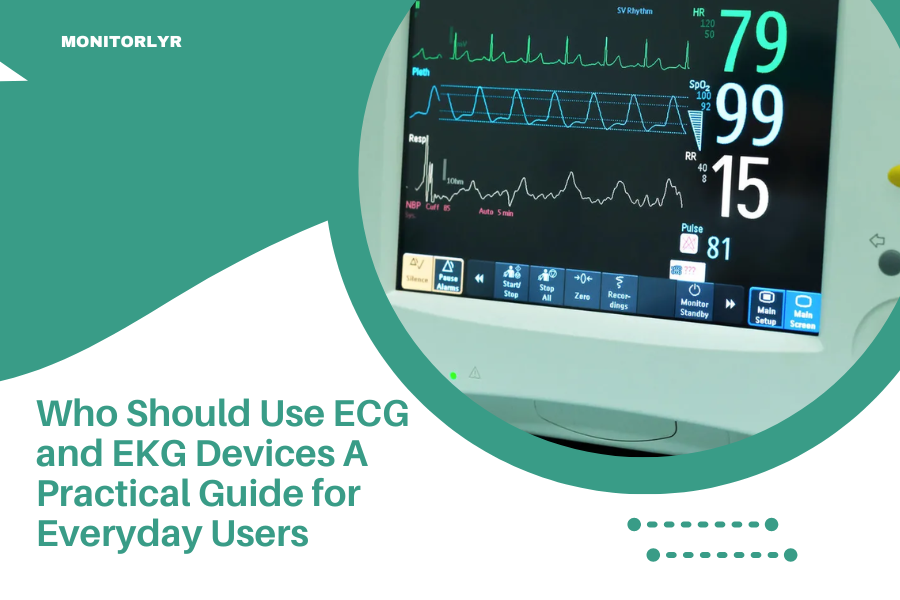
ECG and EKG devices are no longer limited to hospitals and clinics. Many people now use these devices at home to better understand their heart health. However, they are not necessary for everyone. Knowing who can benefit most from ECG and EKG devices helps ensure they are used appropriately and effectively.
This guide explains who should consider using ECG and EKG devices and when they may or may not be useful.
People Monitoring Existing Heart Conditions
Individuals with known heart rhythm conditions often use ECG and EKG devices to track changes over time. These devices can help users notice irregular patterns and provide useful data to share with healthcare professionals during appointments.
Home monitoring can support better awareness between medical visits, especially for conditions that cause intermittent symptoms.
People Experiencing Occasional Symptoms
Some people experience symptoms such as heart palpitations, rapid heartbeat, lightheadedness, or brief episodes of discomfort. ECG and EKG devices can be useful for capturing heart rhythm data during or shortly after these events.
Recording these episodes can help healthcare providers better understand symptom patterns, especially when symptoms do not occur during clinic visits.
Older Adults Focused on Preventive Health
Older adults may use ECG and EKG devices as part of a broader preventive health routine. Regular monitoring can help track changes in heart rhythm over time and encourage proactive discussions with healthcare professionals.
These devices are often chosen for ease of use and simple readings rather than detailed clinical analysis.
Fitness and Health Conscious Users
Some fitness focused individuals use ECG and EKG devices to gain deeper insight into heart performance and recovery. While fitness trackers often measure heart rate, ECG devices provide additional rhythm information that can be useful for advanced monitoring.
These users typically view ECG data as supplementary information rather than a primary health tool.
Caregivers and Family Members
Caregivers supporting older adults or family members with heart concerns may use ECG and EKG devices to assist with monitoring routines. Shared data can help caregivers notice changes and support timely medical follow up when needed.
Ease of use and clear data presentation are especially important in these situations.
When ECG and EKG Devices May Not Be Necessary
ECG and EKG devices may not be essential for people with no symptoms, no known risk factors, and no medical recommendation for monitoring. In such cases, routine wellness practices and regular medical checkups may be sufficient.
Using ECG devices without a clear purpose can sometimes lead to unnecessary worry or misinterpretation of normal variations.
Understanding the Limitations
ECG and EKG devices are designed for monitoring and awareness, not diagnosis. They do not replace medical evaluations, imaging, or laboratory tests.
Users should understand that a normal reading does not rule out all heart conditions, and an irregular reading does not automatically indicate a serious problem.
Talking to a Healthcare Professional
Before starting regular ECG or EKG monitoring, it can be helpful to discuss device use with a healthcare professional. This is especially important for individuals with existing conditions or ongoing symptoms.
A professional can help interpret data and advise how often monitoring should be performed.
Final Thoughts
ECG and EKG devices can be valuable tools for the right users when used responsibly. They are most effective for individuals who have a clear reason for monitoring and understand how to interpret results in context.
By choosing appropriate use cases and maintaining realistic expectations, ECG and EKG devices can support better heart health awareness and informed conversations with healthcare professionals.
