What is Tachycardia? Symptoms of a Fast Heart
Tachycardia is a condition where your heart beats faster than 100 beats per minute while at rest. This rapid heart rate can cause symptoms like chest pain, dizziness, shortness of breath, and fatigue.
Your heart normally beats 60 to 100 times per minute when you’re relaxing, but tachycardia pushes it beyond this healthy range and may signal an underlying health issue.
What Makes Your Heart Race?
Think of your heart like a car engine. Sometimes it revs too high even when you’re parked. That’s what happens with tachycardia.
Your heart has its own electrical system that controls timing. When this system gets disrupted, your heart can start beating too fast. It’s like having a faulty speedometer that makes your engine race.
Types of Tachycardia You Should Know
Not all fast heartbeats are the same. Different types affect different parts of your heart.
Atrial Fibrillation
This is the most common type. Your heart’s upper chambers flutter instead of beating normally. It feels like your heart is doing somersaults.
Supraventricular Tachycardia
This type starts above your heart’s main pumping chambers. It often comes on suddenly and can last minutes or hours.
Ventricular Tachycardia
This affects your heart’s lower chambers. It’s more serious and needs quick medical attention.
Warning Signs Your Heart Is Beating Too Fast
Your body gives you clear signals when your heart races. Don’t ignore these red flags.
Physical Symptoms You Can Feel
The most obvious sign is feeling your heart pound or flutter. You might notice it beating in your neck or throat too.
Chest pain often comes with fast heart rates. It might feel tight, sharp, or like someone is squeezing you.
Breathing Problems
You might feel short of breath even when sitting still. Simple tasks like walking to the mailbox become difficult.
Dizziness and Lightheadedness
Your brain needs steady blood flow. When your heart beats irregularly, you might feel woozy or unsteady.
Energy and Mental Symptoms
Fast heart rates drain your energy quickly. You might feel exhausted after normal activities.
Some people feel anxious or panicked when their heart races. It’s scary when your body feels out of control.
Sleep and Daily Life Impact
Tachycardia can keep you awake at night. Your racing heart makes it hard to relax and fall asleep.
You might avoid activities you used to enjoy. Fear of triggering symptoms can limit your daily life.
What Triggers a Fast Heart Rate?
Many things can make your heart speed up. Some are harmless, others need medical attention.
Lifestyle Factors
Caffeine is a major trigger for many people. That extra cup of coffee might be pushing your heart too hard.
Stress and anxiety can send your heart racing. Your body releases stress hormones that speed up your heartbeat.
Alcohol and Substance Use
Drinking too much alcohol can trigger fast heart rates. Even moderate drinking affects some people.
Smoking and nicotine products stress your cardiovascular system. They make your heart work harder than it should.
Medical Conditions
Heart disease is an obvious cause, but other conditions trigger tachycardia too.
Thyroid problems often cause fast heart rates. An overactive thyroid speeds up many body functions.
Medications and Supplements
Some medications can cause fast heart rates as side effects. Always check with your doctor about new symptoms.
Diet pills and energy supplements often contain stimulants that affect your heart rhythm.
When to Worry About Your Fast Heartbeat
Not every fast heartbeat needs emergency care. But some symptoms mean you should get help right away.
Emergency Symptoms
Call 911 if you have chest pain with a fast heartbeat. This could signal a heart attack.
Fainting or near-fainting with rapid heart rate needs immediate attention. Your heart might not be pumping enough blood.
Severe Shortness of Breath
If you can’t catch your breath and your heart is racing, don’t wait. This could be a serious heart problem.
When to See Your Doctor Soon
Make an appointment if fast heartbeats happen regularly. Your doctor can check for underlying causes.
Keep track of when episodes happen. Note what you were doing and how long they lasted.
| Symptom | Urgency Level | Action to Take |
|---|---|---|
| Chest pain + fast heart rate | Emergency | Call 911 |
| Fainting with tachycardia | Emergency | Call 911 |
| Regular episodes | Soon | See doctor within days |
| Occasional fast heartbeat | Routine | Mention at next visit |
How Doctors Diagnose Tachycardia
Your doctor has several tools to figure out what’s making your heart race.
Tests You Might Need
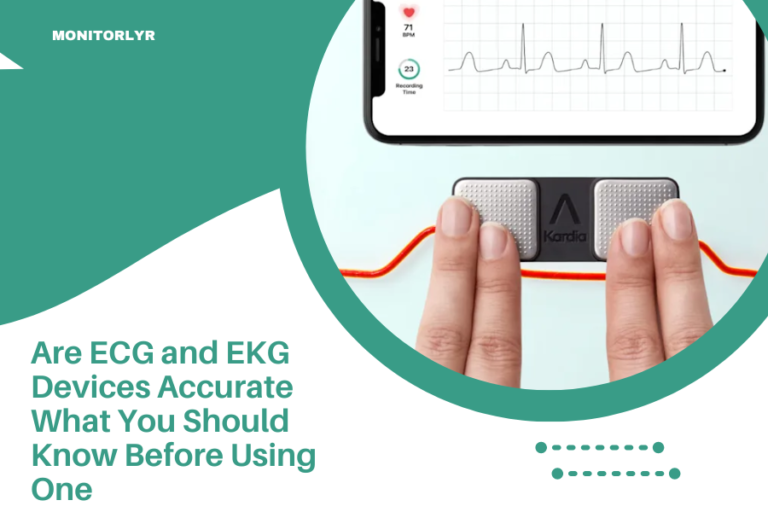
An electrocardiogram (ECG or EKG) is usually the first test. It records your heart’s electrical activity.
You might wear a Holter monitor for 24 hours. This portable device catches heart rhythm problems that come and go.
Blood Tests and Imaging
Blood tests can find thyroid problems or other conditions that affect heart rate.
An echocardiogram uses sound waves to check your heart’s structure and function.
Treatment Options That Work
Treatment depends on what type of tachycardia you have and what’s causing it.
Medications
Beta-blockers slow down your heart rate. They’re often the first treatment doctors try.
Anti-arrhythmic drugs help control abnormal heart rhythms. Some people need these long-term.
Procedures and Devices
Cardioversion uses electrical shocks to reset your heart rhythm. It sounds scary but it’s very safe.
Some people need a pacemaker or defibrillator. These devices help keep your heart beating normally.
Lifestyle Changes That Help
Cut back on caffeine if it triggers your symptoms. Try reducing coffee, tea, and energy drinks gradually.
Find healthy ways to manage stress. Deep breathing, meditation, or gentle exercise can help.
Exercise and Diet Tips
Regular, gentle exercise often helps your heart rhythm. Start slow and build up gradually.
Stay hydrated and eat regular meals. Low blood sugar can trigger fast heart rates.
Living Well With Tachycardia
Many people with tachycardia live normal, active lives. The key is working with your doctor and making smart choices.
Monitoring Your Condition
Keep a symptom diary. Note what triggers episodes and what makes them better.
Learn to check your own pulse. This helps you know when your heart rate is too high.
Building Your Support Team
Tell family and friends about your condition. They can help during episodes and offer support.
Consider joining a support group. Talking with others who understand can be really helpful.
Conclusion
Tachycardia might sound scary, but it’s a manageable condition for most people. The key is recognizing symptoms early and working with your healthcare team to find the right treatment. Don’t ignore a fast heartbeat that happens regularly or comes with other symptoms like chest pain or dizziness. With proper care, you can keep your heart healthy and enjoy an active life. Remember, your heart is telling you something when it races, so listen to what your body needs.
Can tachycardia go away on its own?
Some types of tachycardia can resolve without treatment, especially if they’re caused by temporary factors like caffeine, stress, or illness. But persistent or recurring tachycardia usually needs medical evaluation and treatment to prevent complications.
Is it safe to exercise if I have tachycardia?
Most people with tachycardia can exercise safely with their doctor’s approval. Your doctor might recommend specific types of exercise and heart rate limits. Start slowly and avoid activities that consistently trigger your symptoms.
What foods should I avoid with tachycardia?
Common food triggers include caffeine, alcohol, and high-sodium foods. Some people also react to chocolate, energy drinks, or large meals. Keep a food diary to identify your personal triggers and discuss them with your healthcare provider.
How long do tachycardia episodes typically last?
Episode length varies by type and person. Some last just seconds or minutes, while others can persist for hours. Atrial fibrillation might come and go throughout the day, while supraventricular tachycardia often starts and stops suddenly.
Can young people get tachycardia?
Yes, tachycardia can affect people of all ages, including children and young adults. In younger people, it’s often related to congenital heart conditions, anxiety, stimulant use, or athletic heart syndrome. Anyone experiencing regular fast heart rates should see a doctor regardless of age.