What is a Leadless ECG? The Future of Monitoring
A leadless ECG is a heart monitoring device that captures your heart’s electrical activity without traditional wires or leads attached to your chest.
This wireless technology allows you to monitor your heart rhythm continuously while living your normal life, making it far more convenient than standard ECG machines.
Think about the last time you had an ECG at the doctor’s office. Remember those sticky patches and tangled wires? What if I told you that technology now exists to monitor your heart without any of that hassle?
That’s exactly what leadless ECG devices do. They’re changing how we think about heart monitoring, and honestly, it’s about time.
How Leadless ECG Technology Actually Works
Your heart produces electrical signals every time it beats. Traditional ECG machines need multiple wires to detect these signals from different angles.
Leadless ECG devices work differently. They use advanced sensors and algorithms to capture your heart’s electrical activity through skin contact or proximity sensors.
Some devices sit on your chest like a patch. Others work through your smartphone when you touch specific spots on the device. The magic happens in the processing power.
The Technology Behind the Scenes
Modern leadless ECGs use sophisticated signal processing. They filter out noise from movement, breathing, and other interference.
I found that many of these devices can now match the accuracy of traditional 12-lead ECGs for basic rhythm analysis (American Heart Association).
The sensors detect tiny electrical changes on your skin. Advanced algorithms then reconstruct a clear picture of your heart’s rhythm.
Types of Leadless ECG Devices Available Today
You’ll find several different styles of leadless ECG devices on the market. Each has its own strengths and use cases.
Wearable Patch Monitors
These stick to your chest like a bandage. You wear them for days or weeks at a time.
They’re waterproof and designed for continuous monitoring. Many doctors prescribe these for patients with irregular heartbeats.
The patch records everything and sends data to your healthcare team automatically.
Smartphone-Connected Devices
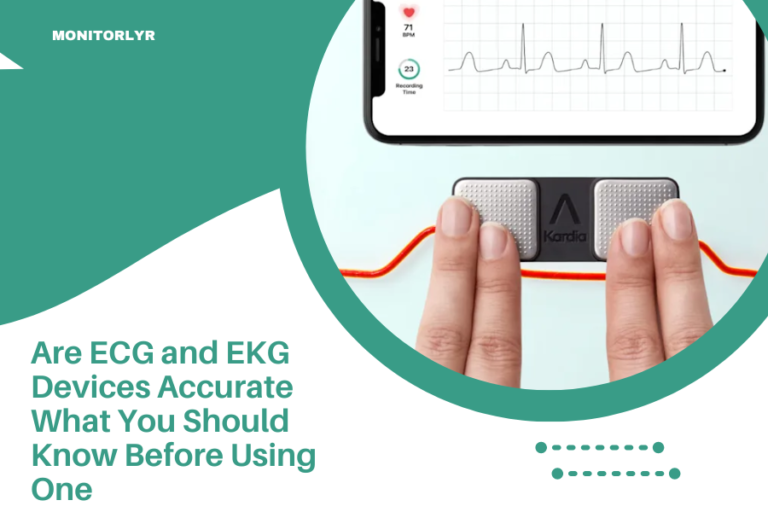
These small gadgets connect to your phone. You hold them or place them on your chest for 30 seconds.
They give you instant results through an app. Perfect for spot-checking your rhythm when you feel something odd.
Some can detect atrial fibrillation, which affects millions of Americans (CDC).
Smartwatch Integration
Many smartwatches now include ECG features. You touch the crown while wearing the watch.
The technology measures electrical signals between your wrist and finger. Simple, fast, and always available.
Research shows these can be surprisingly accurate for detecting certain heart rhythm problems (NIH).
Implantable Loop Recorders
These tiny devices go under your skin. A doctor inserts them during a quick procedure.
They monitor your heart for months or years. Great for catching rare rhythm problems that happen unpredictably.
They’re completely invisible once inserted and require no daily maintenance.
Key Benefits That Make Leadless ECG Special
Why should you care about leadless ECG technology? The benefits go way beyond just convenience.
Freedom of Movement
No wires means you can move naturally. Exercise, shower, sleep – your monitoring continues without interruption.
Traditional ECG monitoring often requires you to stay still or limit activities. That’s not realistic for most people’s lives.
Longer Monitoring Periods
You can wear these devices for days, weeks, or even months. This catches heart problems that come and go.
Many heart rhythm issues are sneaky. They might happen once a week or less. Longer monitoring catches what shorter tests miss.
Real-Time Data and Alerts
Many leadless ECG devices alert you immediately when they detect problems. No waiting for results.
Some can even call emergency services automatically if they detect dangerous rhythms.
Your doctor gets the data instantly too, allowing for faster treatment decisions.
Cost-Effective Monitoring
These devices often cost less than repeated hospital visits and traditional monitoring setups.
You avoid travel costs and time off work for frequent check-ups.
Many insurance plans now cover leadless ECG monitoring for approved conditions.
Who Should Consider Leadless ECG Monitoring
Not everyone needs continuous heart monitoring. But certain groups can benefit greatly from leadless ECG technology.
People with Known Heart Conditions
If you have atrial fibrillation, your doctor might recommend ongoing monitoring. Leadless devices make this much easier.
Heart failure patients can benefit from tracking their rhythm patterns over time.
Anyone recovering from heart surgery might use these for peace of mind during recovery.
Those Experiencing Symptoms
Do you get heart palpitations, dizziness, or chest pain occasionally? These symptoms can be hard to catch during a regular doctor visit.
Leadless ECG devices can record what’s happening during these episodes. This gives your doctor crucial information.
Athletes and Fitness Enthusiasts
High-level athletes sometimes develop heart rhythm changes from intense training.
Leadless monitoring can track these changes without interfering with training or competition.
Many professional sports teams now use this technology for player health monitoring.
Older Adults
Heart rhythm problems become more common with age. Many older adults develop atrial fibrillation.
Research shows that early detection of these problems leads to better outcomes (Mayo Clinic).
Leadless monitoring makes it easy to keep tabs on heart health without frequent clinic visits.
Limitations You Should Know About
Leadless ECG technology is impressive, but it’s not perfect. You should understand the current limitations.
Not as Detailed as Hospital ECGs
A full 12-lead ECG in the hospital captures more detailed information about your heart.
Leadless devices typically show one or two leads worth of data. This is enough for rhythm analysis but not for detecting all types of heart problems.
Battery Life Concerns
Wearable devices need charging or replacement. Some patches last weeks, others need daily charging.
This can create gaps in monitoring if you forget to charge the device or change patches on schedule.
Signal Quality Issues
Movement, sweating, and loose contact can affect signal quality. You might get false alarms or missed events.
Most devices are getting better at filtering out these problems, but they still happen sometimes.
Interpretation Challenges
Not all rhythm abnormalities are dangerous. Some leadless ECG devices might alert you to normal variations.
This can cause anxiety if you don’t understand what the readings mean. Always discuss results with your healthcare team.
Comparing Leadless ECG to Traditional Monitoring
How does leadless ECG stack up against traditional methods? Here’s a practical comparison:
| Feature | Traditional ECG | Leadless ECG |
|---|---|---|
| Monitoring Duration | Minutes to hours | Days to months |
| Mobility | Limited movement | Full activity |
| Data Detail | 12+ leads | 1-6 leads |
| Real-time Alerts | Immediate (hospital) | Immediate (mobile) |
| Cost per Day | High | Low |
The Future of Leadless ECG Technology
Where is this technology heading? The developments I’ve been reading about are pretty exciting.
Improved Accuracy and AI Integration
Machine learning is making these devices smarter every year. They’re getting better at distinguishing real problems from false alarms.
Future versions might predict heart problems before they happen, based on subtle pattern changes.
Smaller and More Comfortable Designs
Devices are shrinking while batteries are lasting longer. Some researchers are working on devices smaller than a postage stamp.
New materials make them more comfortable for extended wear. You might forget you’re wearing them.
Integration with Other Health Metrics
Future leadless ECG devices might combine heart rhythm data with blood pressure, oxygen levels, and activity tracking.
This comprehensive approach could give doctors a complete picture of your cardiovascular health.
Choosing the Right Leadless ECG Device
If you’re considering a leadless ECG device, here are the key factors to think about.
Talk to Your Doctor First
This is the most important step. Your healthcare provider can tell you if leadless ECG monitoring makes sense for your situation.
They can also recommend specific devices based on what they’re trying to monitor.
Consider Your Lifestyle
Do you need something waterproof? How about battery life? Think about what will actually work with your daily routine.
Athletes might need different features than someone monitoring for occasional palpitations.
Understand the Data Output
Some devices just alert you to problems. Others store detailed data for your doctor to review.
Make sure you understand what information you’ll get and how to interpret it.
Check Insurance Coverage
Many insurance plans cover these devices when prescribed by a doctor. But coverage varies.
Consumer devices that you buy yourself typically aren’t covered by insurance.
Getting Started with Leadless ECG Monitoring
Ready to explore leadless ECG monitoring? Here’s how to get started.
Step 1: Medical Consultation
Schedule an appointment with your primary care doctor or cardiologist. Discuss your symptoms and concerns.
They’ll determine if ECG monitoring could help diagnose or manage your condition.
Step 2: Device Selection
Your doctor will recommend specific devices based on your needs. They consider factors like monitoring duration and the type of data needed.
Step 3: Setup and Training
Most leadless ECG devices are simple to use, but you’ll need basic training. Learn how to apply patches or use the device properly.
Make sure you understand how to respond to alerts and when to contact your healthcare team.
Step 4: Follow-up Plan
Establish a plan for reviewing data and follow-up appointments. Regular communication with your healthcare team is key.
Real-World Impact on Heart Care
Leadless ECG technology is already changing how doctors diagnose and treat heart conditions.
Earlier Detection of Problems
Many heart rhythm problems are caught earlier now because of continuous monitoring. This often leads to better treatment outcomes.
I came across research showing that early detection of atrial fibrillation can prevent strokes (American Heart Association).
Better Patient Engagement
When you can see your own heart data, you become more engaged in your health care. Many people make lifestyle changes after seeing their ECG patterns.
This real-time feedback can be motivating for taking medications and following treatment plans.
Reduced Healthcare Costs
By catching problems early and avoiding emergency situations, leadless ECG monitoring can reduce overall healthcare costs.
Fewer emergency room visits and hospitalizations benefit both patients and the healthcare system.
Conclusion
Leadless ECG technology represents a major step forward in heart monitoring. It offers the freedom to monitor your heart rhythm continuously while living your normal life. From wearable patches to smartphone-connected devices, these tools are making heart monitoring more accessible and convenient than ever before. While they’re not perfect and can’t replace all traditional ECG testing, they’re incredibly valuable for catching rhythm problems that come and go. If you have heart symptoms or known heart conditions, talk to your doctor about whether leadless ECG monitoring could help you. The future of heart monitoring is here, and it’s wireless.
Can leadless ECG devices detect heart attacks?
Most leadless ECG devices are designed to detect rhythm problems like atrial fibrillation, but they typically cannot diagnose heart attacks. Heart attacks require more detailed ECG analysis and additional tests. Always seek emergency medical care for chest pain or heart attack symptoms.
How accurate are consumer leadless ECG devices compared to medical-grade ones?
Consumer devices can be quite accurate for basic rhythm detection, but medical-grade leadless ECG devices generally offer higher accuracy and more detailed monitoring. The difference depends on the specific devices being compared and what type of heart activity is being measured.
Do leadless ECG devices work for people with pacemakers?
People with pacemakers can usually use leadless ECG devices, but the pacemaker signals might interfere with readings. Your cardiologist should evaluate whether leadless ECG monitoring is appropriate and help interpret results in the context of your pacemaker function.
How long do the batteries last in different types of leadless ECG devices?
Battery life varies significantly by device type. Disposable patches typically last 1-14 days, rechargeable wearable devices need charging every 1-7 days, and implantable loop recorders can last 2-3 years. Always check the specific battery specifications for any device you’re considering.
Are leadless ECG devices safe to use during pregnancy?
Most leadless ECG devices are safe during pregnancy since they only record electrical signals and don’t emit harmful radiation. However, you should always consult with your obstetrician before using any medical monitoring device during pregnancy to ensure it’s appropriate for your specific situation.