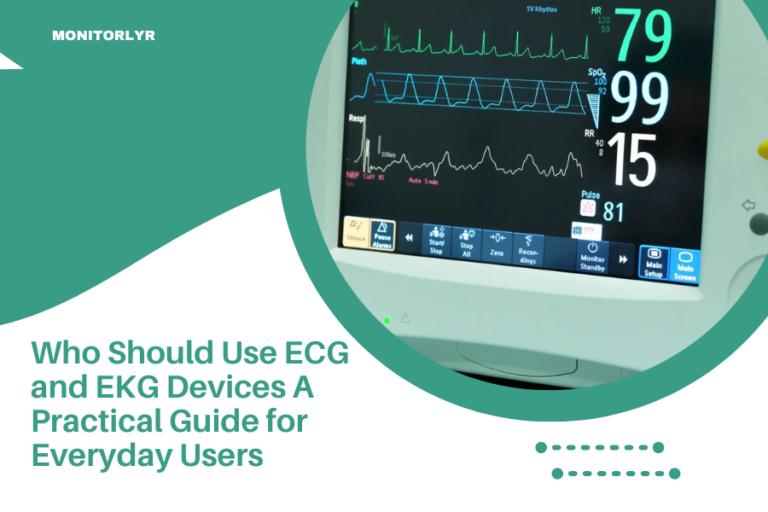
How to Use Your EKG During Heart Palpitations
When experiencing heart palpitations, place your EKG device firmly against your chest or fingers as instructed, remain still, and record for the full duration recommended by your device.
Most personal EKG devices require 30 seconds of steady contact to capture an accurate reading during palpitations, so avoid movement and follow the positioning guidelines exactly.
What Happens During Heart Palpitations
Your heart suddenly feels like it’s racing, skipping beats, or doing flip-flops in your chest. That flutter can be scary, especially when you’re not sure what’s causing it.
Heart palpitations are changes in your heartbeat that you can actually feel. They might last a few seconds or several minutes. Sometimes they feel strong and fast. Other times they feel irregular or like your heart stopped for a moment.
Most palpitations are harmless. Your heart might react to stress, caffeine, or even dehydration. But some palpitations signal heart rhythm problems that need medical attention.
Why EKG Monitoring Helps
An EKG captures your heart’s electrical activity in real time. When palpitations strike, you can record exactly what your heart is doing at that moment.
This gives your doctor concrete data instead of just your description. Many heart rhythm issues come and go quickly, so having an EKG reading from during the episode is really helpful.
Preparing Your EKG Device for Palpitations
Keep your EKG device charged and within reach. Palpitations often happen without warning, so you want to be ready.
Make sure you know how to turn it on quickly. Practice using it when you’re calm so you don’t fumble during an episode.
Clean Your Skin First
Wipe your fingers or chest area with a clean, damp cloth if possible. Oil, lotion, or sweat can interfere with the electrical connection.
If you’re sweating from anxiety about the palpitations, just pat the area dry with a towel. Don’t worry about being perfect – getting a reading is more important than perfect skin prep.
Find a Comfortable Position
Sit down or lie down somewhere comfortable. Standing during palpitations can make you dizzy, and movement affects EKG quality.
Pick a spot where you can stay still for 30 seconds to 2 minutes, depending on your device’s requirements.
Step-by-Step EKG Recording During Palpitations
Turn On Your Device
Power up your EKG device as soon as you feel palpitations starting. Most devices take a few seconds to initialize, so don’t wait.
Some devices automatically start recording when you touch the sensors. Others need you to press a start button.
Position the Electrodes Correctly
For finger-based devices, place your thumbs or index fingers firmly on the metal sensors. Apply steady pressure without pressing too hard.
For chest-based devices, position the unit exactly where the instructions show. This is usually on your left chest, below your collarbone.
Common Positioning Mistakes
Don’t grip too tightly or too loosely. Think “firm handshake” pressure. Avoid moving your fingers or the device once you start recording.
Make sure both hands are making good contact if using a two-handed device. One weak connection can ruin the whole reading.
Stay Still During Recording
Breathe normally but avoid talking, coughing, or shifting position. Movement creates electrical noise that masks your heart’s signals.
If you need to cough or move, stop the recording and start over. A clean 30-second reading is better than a messy 2-minute one.
Managing Anxiety While Recording
Feeling nervous during palpitations is normal. Try slow, steady breathing through your nose while the device records.
Remember that getting this EKG reading is helping you and your doctor figure out what’s happening. You’re taking a positive step.
Different Types of Personal EKG Devices
Smartphone-Connected Devices
These devices sync with apps on your phone. Popular options include AliveCor KardiaMobile and similar products.
The app usually stores your readings and can share them with your doctor. Some apps even provide basic interpretation of your rhythm.
Standalone EKG Monitors
These don’t need a phone connection. They store readings internally and often have small screens showing your rhythm.
Battery life tends to be longer than phone-connected versions. Good option if you want something simple and reliable.
Wearable EKG Devices
Some smartwatches and fitness trackers include EKG capability. Apple Watch, for example, can record single-lead EKGs.
These are convenient since you might already be wearing them when palpitations start. Just raise your wrist and touch the crown or designated sensor.
What Your EKG Reading Shows
Normal Rhythm Patterns
A normal heart rhythm shows regular peaks and valleys on the EKG trace. The spacing between beats stays consistent, and the overall pattern repeats predictably.
Even during palpitations, your rhythm might look normal on the EKG. Sometimes palpitations are just your awareness of normal heartbeats, not actual rhythm problems.
Common Abnormal Patterns
Atrial fibrillation shows as an irregularly irregular rhythm – no predictable pattern between beats. Premature beats appear as early, differently-shaped complexes.
Fast rhythms (over 100 beats per minute) might indicate tachycardia. Very slow rhythms (under 60 beats per minute) could suggest bradycardia.
| Rhythm Type | What You Might Feel | EKG Appearance |
|---|---|---|
| Normal Sinus | Strong but regular beats | Regular spacing, normal shape |
| Atrial Fibrillation | Irregular fluttering | No consistent pattern |
| Premature Beats | Skipped or extra beats | Early beats with different shapes |
| Tachycardia | Fast, racing heart | Regular but very close together |
When to Record Multiple Readings
Long Palpitation Episodes
If your palpitations last several minutes, consider taking multiple short recordings instead of one long one. This gives you backup data and shows how the rhythm changes over time.
Space recordings about 30 seconds apart during ongoing palpitations. This approach often provides clearer data than one continuous long recording.
Intermittent Symptoms
Some palpitations come in waves – strong for a few seconds, then normal, then strong again. Try to capture both the abnormal and normal periods.
Having a normal EKG reading from right after palpitations can be just as useful as the abnormal reading during symptoms.
Troubleshooting Common Recording Problems
Poor Signal Quality
If your EKG trace looks noisy or erratic, check your electrode contact first. Reposition your fingers or the device and try again.
Dry skin can cause poor connections. Slightly damp fingertips sometimes work better than completely dry ones.
Environmental Interference
Electronic devices can interfere with EKG signals. Move away from computers, phones, or other electronics if possible.
Fluorescent lights sometimes cause interference too. Natural lighting is usually better for EKG recording.
Recording Stops Early
Most devices stop recording if they lose contact with your skin. Keep steady pressure on the sensors throughout the entire recording period.
If you’re shaking from anxiety, try bracing your elbows on a table to steady your hands.
After Recording Your EKG
Save and Label the Reading
Add notes about what you were feeling during the recording. Include details like “felt like racing heart” or “felt like skipped beats.”
Also note what you were doing when palpitations started – drinking coffee, feeling stressed, exercising, or just resting.
Track Patterns Over Time
Keep a simple log of when palpitations happen and what triggers them. Many people find patterns they didn’t notice before.
Common triggers include caffeine, alcohol, stress, lack of sleep, or certain medications. Your EKG readings combined with trigger data help doctors make better treatment decisions.
Sharing Results with Your Doctor
How to Present Your Data
Organize your EKG readings chronologically. Include the date, time, and your symptoms for each recording.
Most doctors appreciate both the raw EKG data and your symptom diary. This combination gives them the complete picture.
Questions to Ask Your Doctor
Come prepared with specific questions about your readings. Ask what the patterns mean and whether you need additional testing.
Find out when you should be concerned enough to call immediately versus waiting for your next appointment.
Safety Considerations
When to Seek Immediate Help
Call emergency services if palpitations come with chest pain, severe shortness of breath, dizziness, or fainting.
Also seek immediate help if your EKG device shows extremely fast rhythms (over 150 beats per minute) that don’t slow down after a few minutes.
Device Limitations
Personal EKG devices show only basic rhythm information. They can’t diagnose heart attacks or detect all types of heart problems.
Never rely solely on your personal EKG device for medical decisions. It’s a tool to help your doctor, not replace professional medical evaluation.
Building Long-Term Monitoring Habits
Regular Baseline Recordings
Take EKG readings when you feel normal too. This gives you and your doctor baseline data to compare against symptomatic episodes.
Weekly normal readings can be just as valuable as recordings during palpitations.
Lifestyle Modifications
Use your EKG data to test how lifestyle changes affect your heart rhythm. Try reducing caffeine for a week and see if palpitation frequency changes.
Many people discover that stress reduction, better sleep, or regular exercise significantly reduces their palpitation episodes.
Conclusion
Using your EKG device during heart palpitations gives you and your doctor valuable information about your heart’s rhythm during symptoms. The key is staying calm, positioning the device correctly, and recording for the full recommended time while remaining as still as possible.
Remember that most palpitations are harmless, but having objective data helps determine when treatment is needed. Keep your device charged and accessible, practice using it when you’re calm, and always share your recordings with your healthcare provider for proper interpretation and guidance.
Can I use my EKG device if I have a pacemaker?
Most personal EKG devices are safe to use with pacemakers, but check with your doctor first. The device will record your paced rhythm, which might look different from natural heart rhythms but is still useful diagnostic information.
How often should I record EKGs during frequent palpitations?
If you’re having multiple palpitation episodes per day, aim to record 2-3 episodes rather than every single one. Focus on capturing different types of episodes – some when symptoms are mild and others when they’re more intense.
What if my palpitations stop right when I start recording?
Complete the recording anyway. Seeing how your heart rhythm returns to normal after palpitations provides valuable information. Also, what feels like your heart “stopping” might actually show continued electrical activity on the EKG.
Should I exercise or change positions to trigger palpitations for recording?
Never intentionally trigger palpitations for EKG recording. This could be dangerous and won’t provide the same information as naturally occurring episodes. Wait for spontaneous palpitations and record those instead.
How long should I wait between EKG recordings during the same palpitation episode?
Wait at least 30 seconds between recordings to avoid overlapping data and to see if the rhythm pattern changes. If palpitations continue for more than 10 minutes, take recordings every few minutes to track any progression.