Silent Heart Attack: Can an ECG Detect One?
Yes, an ECG can detect signs of a silent heart attack, but only if it’s taken during or shortly after the event when electrical changes are still visible.
Silent heart attacks often leave subtle traces on ECG readings that trained professionals can spot, though these signs may fade over time.
What Exactly Is a Silent Heart Attack?
A silent heart attack happens without the chest-crushing pain you see in movies. Your heart muscle still dies from blocked blood flow, but your body doesn’t scream about it.
You might feel tired, have mild chest discomfort, or experience what feels like heartburn. Some people blame these symptoms on stress or getting older.
Research shows that silent heart attacks make up about 45% of all heart attacks (Harvard Medical School). That’s nearly half of all heart attacks going unnoticed.
Who’s Most at Risk?
Women experience silent heart attacks more often than men. People with diabetes also face higher risk because nerve damage can mask pain signals.
Older adults over 65 are another high-risk group. Their bodies may not send the typical warning signals during heart trouble.
How ECGs Work to Detect Heart Problems
An ECG reads your heart’s electrical activity through sticky patches on your skin. Think of it like listening to your heart’s electrical conversation.
When heart muscle dies during a heart attack, it changes how electricity flows through your heart. These changes show up as different wave patterns on the ECG printout.
The Three Types of ECG Changes
Doctors look for three main patterns that suggest heart damage:
- ST elevation – shows an active heart attack happening right now
- Q waves – indicate old heart muscle damage from past attacks
- T wave changes – suggest the heart muscle isn’t getting enough oxygen
ST Elevation Changes
These show up during an active heart attack. If you’re having a silent heart attack right now, the ECG will likely catch it.
Q Wave Patterns
Q waves develop hours to days after heart muscle dies. They’re like scars that stay visible on ECGs for months or years.
T Wave Abnormalities
These can appear when your heart muscle is struggling but hasn’t died yet. They’re often the first warning sign.
When ECGs Miss Silent Heart Attacks
ECGs aren’t perfect detective tools. They can miss silent heart attacks in several situations.
If too much time passes between your heart attack and the ECG test, the electrical changes might fade. Some heart attacks affect areas that don’t show well on standard ECGs.
Timing Makes a Big Difference
The sooner you get an ECG after symptoms, the better your chances of detection. Within the first few hours works best.
After weeks or months, some ECG changes become harder to spot. Your heart’s electrical system can adapt and hide old damage.
Location Matters Too
Heart attacks on the back wall of your heart are trickier to catch on standard 12-lead ECGs. Additional ECG leads might be needed.
Different Types of ECG Tests Available
You have several ECG options, each with different strengths for catching silent heart attacks.
| ECG Type | Duration | Best For |
|---|---|---|
| Standard ECG | 10 seconds | Active heart attacks |
| Holter Monitor | 24-48 hours | Catching intermittent problems |
| Event Monitor | 2-4 weeks | Rare episodes |
| Stress ECG | 15-20 minutes | Hidden blockages |
Standard Resting ECG
This quick test works great if you’re having an active silent heart attack. It captures 10 seconds of your heart’s electrical activity while you lie still.
Holter Monitoring
You wear this device for 1-2 days while living normally. It might catch silent episodes that happen during daily activities.
When Holter Monitoring Helps Most
If you have occasional chest discomfort or unexplained fatigue, continuous monitoring can spot problems that come and go.
Stress Testing with ECG
This test pushes your heart harder to reveal blockages that only show up during exercise. Silent heart attacks sometimes happen during physical activity.
Warning Signs That Suggest You Need an ECG
Don’t wait for crushing chest pain. These subtle symptoms might mean you need an ECG check:
- Unexplained fatigue that’s gotten worse lately
- Mild chest pressure or tightness
- Shortness of breath during normal activities
- Nausea or lightheadedness without other cause
- Pain in your jaw, neck, or left arm
Red Flag Combinations
When you have multiple symptoms together, take them more seriously. Fatigue plus chest discomfort plus shortness of breath is a stronger warning than any single symptom.
Home ECG Devices: Can They Help?
Personal ECG devices are getting better, but they have limits for detecting silent heart attacks.
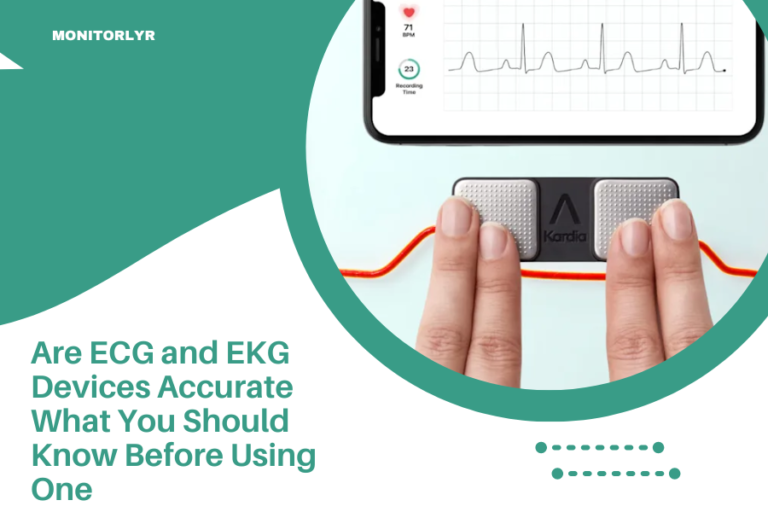
Devices like the Apple Watch can spot some heart rhythm problems. But they only read one or two leads, while doctors prefer 12 leads for heart attack detection.
What Home Devices Do Well
They’re great for tracking heart rhythm problems like atrial fibrillation. They can also establish your normal baseline patterns.
What They Miss
Single-lead devices often can’t detect the subtle changes that show heart muscle damage. They’re screening tools, not diagnostic tools.
FDA-Approved Home ECG Options
KardiaMobile and Apple Watch ECGs have FDA clearance for detecting certain heart rhythms. But always follow up abnormal readings with your doctor.
What Happens After an Abnormal ECG
If your ECG suggests a silent heart attack, your doctor will likely order more tests to confirm and assess damage.
Blood tests can measure proteins that leak from damaged heart muscle. Echocardiograms show how well your heart pumps blood.
Blood Tests That Confirm Heart Damage
Troponin levels rise when heart muscle dies. These proteins stay elevated for days after a heart attack, even silent ones.
Imaging Tests for Complete Assessment
Echocardiograms use sound waves to show heart movement. Areas damaged by silent heart attacks often don’t contract normally.
Cardiac MRI can detect even small areas of heart muscle scarring that ECGs might miss.
Treatment Options After Detection
Finding a silent heart attack leads to treatments that prevent future, potentially deadlier events.
Medications like aspirin, beta-blockers, and statins can cut your risk of another heart attack by 20-40% (American Heart Association).
Medications That Make a Difference
Blood thinners prevent new clots from forming. Blood pressure medications reduce strain on your heart. Cholesterol drugs stabilize plaque in your arteries.
Lifestyle Changes That Matter
Quitting smoking is the single biggest thing you can do. Regular exercise strengthens your heart and opens up backup blood vessels.
A Mediterranean-style diet can reduce your risk of another heart attack by up to 30% (New England Journal of Medicine).
Prevention Strategies for High-Risk People
If you’re at higher risk for silent heart attacks, regular ECG screening might make sense.
People with diabetes, women over 65, and those with multiple heart risk factors should discuss screening schedules with their doctors.
How Often Should You Get Screened?
There’s no universal answer, but many cardiologists suggest yearly ECGs for high-risk patients over 50.
Risk Factors That Increase Your Need for Monitoring
- Family history of early heart disease
- Diabetes lasting more than 10 years
- High blood pressure that’s hard to control
- Chronic kidney disease
- History of smoking
Cost and Insurance Coverage
Most insurance plans cover ECGs when you have symptoms or risk factors. The test typically costs $50-200 without insurance.
Preventive ECGs for screening might not be covered unless you meet certain risk criteria.
Making ECGs More Affordable
Community health centers often offer discounted rates. Some pharmacies now provide basic ECG services for under $100.
Conclusion
ECGs can detect silent heart attacks, but timing and technique matter. If you have subtle symptoms like unexplained fatigue, chest discomfort, or shortness of breath, don’t ignore them. An ECG is a simple, quick test that could save your life by catching heart damage before it gets worse. The key is getting tested soon enough after symptoms start, when electrical changes are still visible. Remember, nearly half of all heart attacks are silent – your heart might be calling for help in whispers rather than screams.
Can an ECG detect a silent heart attack that happened months ago?
Sometimes yes, but it gets harder over time. Q waves from old heart attacks can stay visible for years, but some subtle changes fade within weeks. The sooner you get tested after symptoms, the better your chances of detection.
Are home ECG devices like Apple Watch good enough to detect silent heart attacks?
Home devices are helpful for monitoring but aren’t reliable for detecting heart attacks. They typically only read one electrical lead, while doctors need 12 leads to properly assess heart attack damage. Use them for screening, but always see a doctor for concerning symptoms.
What’s the difference between a silent heart attack and a regular heart attack on an ECG?
The ECG changes look the same – it’s the symptoms that differ. Both types show similar electrical patterns like ST elevation or Q waves. The “silent” part refers to having minimal or no chest pain, not different ECG findings.
How long do ECG changes from a silent heart attack stay visible?
It varies by the type of change. ST elevation during an active attack may last hours. Q waves can persist for months or years. T wave changes might disappear within days or weeks. This is why timing your ECG matters so much.
Should I get regular ECGs if I’m at high risk for silent heart attacks?
Many doctors recommend yearly ECGs for high-risk patients over 50, especially those with diabetes, strong family history, or multiple risk factors. Talk with your doctor about the right screening schedule based on your specific risks and health status.