SA Node: The Heart’s Natural Pacemaker Explained
The SA node is your heart’s natural pacemaker that creates electrical signals to make your heart beat. It sits in the right atrium and controls your heart rhythm by firing 60-100 times per minute.
This small cluster of cells automatically generates the electrical impulses that travel through your heart muscle, causing it to contract and pump blood throughout your body.
What Is the SA Node and Why Does It Matter
Think of your heart like a house with its own electrical system. The SA node is like the main switch that turns everything on and keeps it running smoothly.
Your sinoatrial node measures only about 15 millimeters long. That’s smaller than a penny. But this tiny structure controls one of your body’s most important functions.
When the SA node works properly, you don’t even notice it. Your heart beats steadily while you sleep, work, and exercise. Problems with this natural pacemaker can cause serious heart rhythm issues.
Where You’ll Find Your Heart’s Control Center
The SA node sits in the upper right chamber of your heart. More precisely, it’s located in the wall of your right atrium, near where the superior vena cava enters.
This location isn’t random. The SA node sits at the perfect spot to send electrical signals across both upper chambers of your heart first.
How Your Natural Pacemaker Creates Each Heartbeat
Your SA node works like a tiny biological battery. Special cells inside it automatically create electrical charges without any outside help.
Here’s what happens with each heartbeat:
- The SA node fires an electrical signal
- This signal spreads across both atria (upper chambers)
- The atria contract and push blood down to the ventricles
- The signal reaches the AV node, which passes it to the ventricles
- The ventricles contract and pump blood out of your heart
This whole process takes less than one second. Then it starts all over again.
The Electrical Highway System
Your heart has its own electrical network, much like wires in your walls. The SA node connects to specialized pathways that carry signals quickly.
These pathways make sure all parts of your heart contract in the right order. First the atria, then the ventricles. Perfect timing every time.
What Makes the SA Node Fire
The cells in your SA node have a unique ability. They can create their own electrical charge without any trigger from your brain or nervous system.
This happens because of special ion channels in the cell walls. Sodium, potassium, and calcium ions move in and out, creating the electrical signal.
Your Heart Rate and What Controls It
The SA node sets your baseline heart rate, but it doesn’t work alone. Your nervous system can speed it up or slow it down based on what you need.
When you exercise, your sympathetic nervous system tells the SA node to fire faster. When you rest, your parasympathetic system slows it down.
Normal Heart Rate Ranges
A healthy SA node typically fires between 60 and 100 times per minute when you’re at rest. This range works for most people, but individual needs vary.
| Age Group | Normal Resting Heart Rate |
|---|---|
| Newborns | 100-160 bpm |
| Children (1-10 years) | 70-120 bpm |
| Adults | 60-100 bpm |
| Well-trained athletes | 40-60 bpm |
Why Athletes Have Slower Heart Rates
Regular exercise makes your heart stronger and more efficient. A stronger heart pumps more blood with each beat, so it doesn’t need to beat as often.
Many endurance athletes have resting heart rates in the 40s or 50s. This is usually healthy for them, though it might concern a doctor in someone who doesn’t exercise.
When Your Natural Pacemaker Has Problems
Sometimes the SA node doesn’t work as it should. This can cause your heart to beat too fast, too slow, or irregularly.
I found that SA node problems become more common as people age. The cells can wear out or get damaged by heart disease (American Heart Association).
Sick Sinus Syndrome
This condition happens when your SA node doesn’t create regular electrical signals. Your heart might beat too slowly, skip beats, or alternate between fast and slow rhythms.
Common symptoms include:
- Feeling dizzy or lightheaded
- Fatigue that doesn’t go away with rest
- Shortness of breath during normal activities
- Chest pain or discomfort
- Confusion or memory problems
What Causes SA Node Problems
Several things can damage your natural pacemaker. Age is the biggest factor, but other causes include:
- Heart disease or previous heart attacks
- High blood pressure over many years
- Certain medications, especially some blood pressure drugs
- Sleep apnea that goes untreated
- Infections that affect the heart muscle
Atrial Fibrillation and SA Node Function
In atrial fibrillation, other parts of your atria start creating electrical signals too. This overwhelms the SA node’s normal control.
Instead of one organized signal from the SA node, hundreds of chaotic signals fire randomly. Your atria quiver instead of contracting properly.
How Doctors Check Your SA Node Function
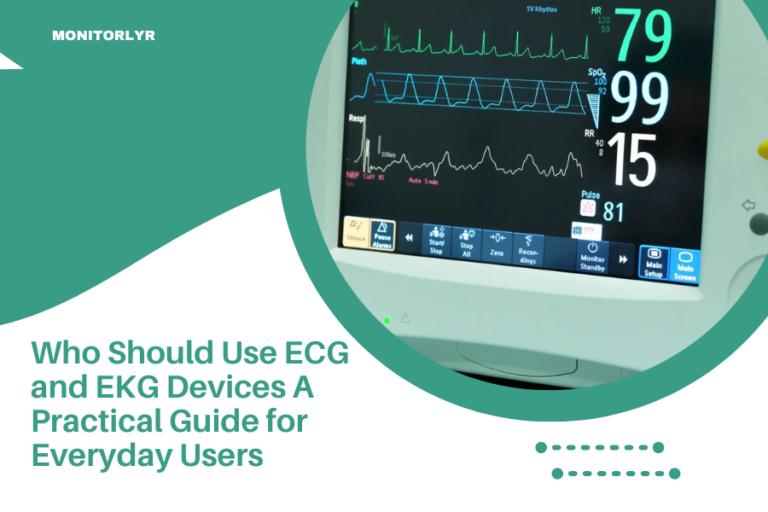
An electrocardiogram (EKG or ECG) shows how well your SA node works. This simple test records the electrical activity of your heart.
On a normal EKG, you can see the SA node’s signal as a small bump called a P wave. It comes right before each heartbeat.
Advanced Testing Options
Sometimes a regular EKG isn’t enough. Your doctor might recommend longer monitoring to catch problems that come and go.
Holter Monitors
These portable devices record your heart rhythm for 24-48 hours while you go about your normal day. You wear small patches on your chest connected to a recorder.
Event Monitors
Event monitors work for weeks or months. You activate them when you feel symptoms, and they record what your heart was doing at that moment.
Electrophysiology Studies
For complex cases, doctors can do detailed studies of your heart’s electrical system. They insert thin wires through blood vessels to test how signals move through your heart.
Treatment Options When Your Pacemaker Needs Help
Many SA node problems can be managed with lifestyle changes and medications. More serious cases might need an artificial pacemaker.
Lifestyle Changes That Support SA Node Health
Research shows that heart-healthy habits also protect your natural pacemaker (Mayo Clinic). Simple changes can make a big difference.
- Regular exercise strengthens your entire cardiovascular system
- Managing stress through relaxation or meditation
- Getting enough quality sleep each night
- Eating a diet rich in fruits, vegetables, and whole grains
- Limiting caffeine and alcohol
- Not smoking or quitting if you do smoke
When Medications Help
Some heart rhythm problems respond well to medications. Beta-blockers can slow down an overactive SA node. Other drugs help maintain steady rhythms.
Your doctor will consider your specific symptoms and overall health when choosing medications.
Artificial Pacemakers as Backup Systems
When your SA node can’t do its job reliably, an artificial pacemaker can take over. Modern pacemakers are small, reliable devices that last for years.
The pacemaker monitors your heart’s natural rhythm. It only sends electrical signals when your SA node misses beats or goes too slowly.
Life with a Pacemaker
Most people with pacemakers return to normal activities within a few weeks. The devices are designed to work seamlessly with your body’s needs.
You’ll need regular checkups to make sure the pacemaker works properly and the battery stays charged.
Keeping Your Natural Pacemaker Healthy
Prevention works better than treatment when it comes to SA node health. The same habits that prevent heart disease also protect your natural pacemaker.
Exercise and Your SA Node
Regular physical activity makes your SA node more resilient. Even moderate exercise like brisk walking for 30 minutes most days helps.
Start slowly if you haven’t been active. Build up gradually to avoid putting sudden stress on your heart.
The Role of Sleep
Your SA node needs good sleep to function properly. During deep sleep, your heart rate naturally slows down, giving your cardiovascular system time to recover.
Poor sleep or sleep apnea can stress your SA node over time. Talk to your doctor if you snore loudly or feel tired despite getting enough sleep.
Managing Other Health Conditions
High blood pressure, diabetes, and other chronic conditions can damage your SA node. Keeping these conditions well-controlled protects your heart’s electrical system.
Take medications as prescribed and keep up with regular medical checkups. Early treatment prevents many heart rhythm problems.
Understanding EKG Readings of SA Node Activity
Learning to read basic EKG patterns helps you understand how your SA node works. You don’t need to be a doctor to recognize normal versus abnormal rhythms.
What Normal SA Node Activity Looks Like
On a normal EKG, SA node activity creates regular P waves. These small bumps come at steady intervals, followed by the larger QRS complex when the ventricles contract.
The rhythm should be regular, with each P wave looking similar to the others. The rate should fall within the normal range for your age and fitness level.
Signs of SA Node Problems on EKG
Several patterns suggest SA node dysfunction:
- Missing P waves or irregular P wave patterns
- Very slow heart rates (bradycardia)
- Long pauses between heartbeats
- Alternating fast and slow rhythms
The Future of SA Node Research
Scientists continue learning new things about how the SA node works. Recent research focuses on regenerating damaged pacemaker cells and improving artificial alternatives.
Some experimental treatments use stem cells to repair SA node damage. Others work on creating biological pacemakers from a patient’s own cells.
Conclusion
Your SA node plays a vital role in keeping you alive and healthy. This small cluster of specialized cells works around the clock to maintain your heartbeat, adapting to your body’s changing needs throughout the day.
Understanding how your natural pacemaker works helps you make better decisions about your heart health. Simple lifestyle changes can protect your SA node for years to come. When problems do occur, many effective treatments are available.
Remember that heart rhythm changes don’t always mean serious problems, but they’re always worth discussing with your doctor. Early detection and treatment of SA node issues can prevent more serious complications and help you maintain an active, healthy lifestyle.
What happens if my SA node completely stops working?
Other parts of your heart’s electrical system can take over as backup pacemakers, though they work at slower rates. The AV node or ventricular cells can maintain a basic rhythm while you get emergency medical care and likely receive an artificial pacemaker.
Can you feel your SA node working?
You can’t feel the SA node itself, but you can feel its effects through your heartbeat. Some people become more aware of their heartbeat during stress, exercise, or when lying quietly, but the actual electrical signals from the SA node are too small to sense directly.
Do SA node problems run in families?
Yes, some SA node disorders have genetic components. Certain inherited conditions affect the ion channels in pacemaker cells, leading to rhythm problems that appear in multiple family members. Tell your doctor about any family history of heart rhythm issues or sudden cardiac events.
Can stress damage my SA node?
Chronic stress can indirectly affect SA node health by contributing to high blood pressure, inflammation, and other cardiovascular problems. Acute stress temporarily changes heart rate through nervous system responses, but usually doesn’t cause permanent damage to healthy SA node cells.
How accurate are fitness trackers at detecting SA node problems?
Modern fitness trackers can detect some heart rhythm irregularities, but they’re not medical devices and can’t diagnose SA node dysfunction. They’re useful for spotting patterns that warrant medical evaluation, but any concerning readings should be confirmed with proper medical testing like an EKG.