How Portable Monitors Detect AFib at Home
Portable AFib monitors use advanced sensors to detect irregular heartbeats by analyzing your heart’s electrical signals through ECG technology that tracks rhythm patterns.
These home monitoring devices can identify atrial fibrillation episodes within 30 seconds to 6 minutes, giving you real-time alerts when your heart rhythm becomes irregular.
What Makes Portable AFib Detection So Accurate
Ever wonder how a small device can catch something your doctor might miss during a quick office visit? The secret lies in continuous monitoring.
AFib often comes and goes unpredictably. You might feel perfectly fine during your appointment, then experience an episode later that evening. Portable monitors solve this timing problem by staying with you 24/7.
The Science Behind ECG Detection
Your heart creates electrical signals every time it beats. When you have AFib, these signals become chaotic and irregular.
Portable monitors use electrodes to capture these electrical patterns. Advanced algorithms then analyze the data, looking for the telltale signs of atrial fibrillation.
Key Detection Features
Modern AFib monitors look for several specific patterns:
- Irregular R-R intervals between heartbeats
- Absence of clear P-waves in the ECG trace
- Heart rate variability beyond normal ranges
- Sudden rhythm changes that last longer than 30 seconds
Types of Home AFib Monitors
Not all portable monitors work the same way. I found that different devices suit different lifestyles and monitoring needs.
Wearable ECG Patches
These stick-on patches give you the most complete picture. You wear them for days or weeks, and they record everything.
The patches are waterproof and designed to stay put during normal activities. They automatically detect and store AFib episodes, even while you sleep.
How Patches Work
The patch contains multiple electrodes that create a continuous ECG recording. When irregular rhythms occur, the device marks these events for review.
Most patches store 14-30 days of data. Some transmit findings to your doctor in real-time, while others require you to mail the device back for analysis.
Handheld ECG Devices
Think of these as on-demand heart monitors. When you feel symptoms, you grab the device and record a 30-second ECG.
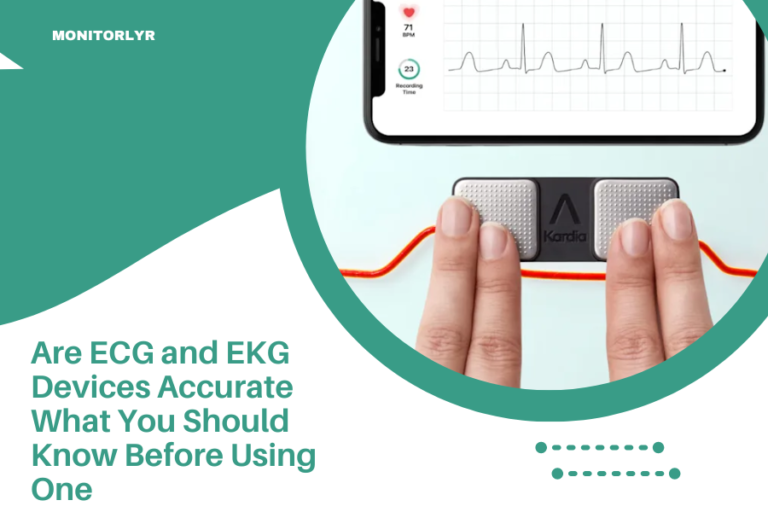
Popular models include devices that connect to your smartphone. You simply touch the sensors with your fingers, and the app analyzes your rhythm.
Best Times to Use Handheld Monitors
These work well when you can predict your symptoms:
- During episodes of heart palpitations
- When feeling dizzy or short of breath
- After activities that typically trigger your AFib
- At scheduled times throughout the day
Smartwatches with AFib Detection
Many people already wear these daily. The convenience factor makes them appealing for long-term monitoring.
Research shows that smartwatch AFib detection can be quite accurate when used properly (American Heart Association). The key is understanding their limitations.
Smartwatch Accuracy Considerations
These devices work best for people who already know they have AFib. They’re less reliable for initial diagnosis compared to medical-grade monitors.
Motion artifacts and poor sensor contact can create false readings. Your results improve when you stay still during measurements.
How Detection Algorithms Actually Work
The magic happens in the software. Modern AFib detection uses machine learning trained on millions of heart rhythm recordings.
Pattern Recognition Process
When you record an ECG, the algorithm follows these steps:
- Filters out noise and movement artifacts
- Identifies individual heartbeats in the signal
- Measures timing between consecutive beats
- Compares patterns against known AFib signatures
- Calculates confidence scores for the diagnosis
Why Timing Matters
AFib creates a specific type of irregularity. Your heart doesn’t just beat fast or slow – it beats unpredictably.
Normal heart rhythms have slight variations, but AFib variations are much more random. Think of normal rhythm like a metronome with tiny wobbles, while AFib sounds like random drumbeats.
False Positive Prevention
Good algorithms distinguish AFib from other causes of irregular heartbeats:
- Premature beats that happen occasionally
- Movement that creates signal noise
- Other arrhythmias that aren’t AFib
- Normal variations in athletic hearts
Setting Up Your Home Monitoring
Getting accurate results starts with proper setup. I researched best practices that make a real difference in detection quality.
Skin Preparation for Patches
Clean, dry skin gives the best electrode contact. Avoid lotions or oils before applying your monitor.
Some people need to shave the application area lightly. Hair can prevent good electrical contact and cause the patch to lift.
Optimal Placement Locations
Most patches work best on your upper chest or side. Follow the specific instructions for your device, as placement affects signal quality.
Avoid bony areas where the patch might not lie flat. The device needs consistent skin contact to work properly.
Handheld Device Technique
Proper finger placement makes or breaks your readings. Clean, slightly moist fingertips work better than dry or sweaty ones.
Stay still and breathe normally during recordings. Movement creates artifacts that can mask or mimic AFib patterns.
Common Technique Mistakes
I found online that these errors cause most failed readings:
- Pressing too hard on the sensors
- Moving or talking during recording
- Using the device immediately after exercise
- Recording in areas with electrical interference
Understanding Your Results
AFib monitors typically give you one of several readings: normal rhythm, possible AFib, or unreadable recording.
What “Possible AFib” Really Means
This doesn’t mean you definitely have AFib. It means the algorithm detected patterns that look suspicious and need medical review.
Many factors can create AFib-like patterns on home monitors. Your doctor will consider the recording along with your symptoms and medical history.
Accuracy Rates You Should Know
Studies show that quality portable monitors detect AFib with 85-95% accuracy when used correctly (Mayo Clinic). However, accuracy depends on:
| Factor | Impact on Accuracy |
|---|---|
| Recording Length | Longer recordings catch more episodes |
| Signal Quality | Clean signals reduce false readings |
| AFib Duration | Brief episodes are harder to detect |
| Device Type | Medical-grade devices outperform consumer versions |
When to Contact Your Doctor
Don’t wait for your next appointment if you get concerning readings. AFib can increase stroke risk, especially when episodes are frequent or prolonged.
Call your healthcare provider when you detect AFib episodes lasting longer than a few minutes, or when you have symptoms like chest pain or severe shortness of breath.
Maximizing Detection Success
Consistent monitoring gives you the best chance of catching AFib episodes. Many people have AFib that comes and goes unpredictably.
Creating a Monitoring Schedule
If you’re using a handheld device, regular recordings work better than random ones. Try recording at the same times daily, plus whenever you feel symptoms.
Some experts recommend recording after meals, exercise, or stressful situations when AFib episodes are more likely to occur.
Tracking Patterns
Keep notes about what you were doing when AFib episodes occurred:
- Time of day and duration
- Activities or triggers
- Symptoms you experienced
- Medications or caffeine intake
Dealing with Technical Issues
All monitors occasionally produce unreadable recordings. Don’t get frustrated – this is normal.
If you’re getting mostly poor-quality recordings, check your technique or contact customer support. Sometimes a simple adjustment fixes the problem.
Conclusion
Portable AFib monitors give you powerful tools to detect irregular heartbeats at home. These devices use sophisticated ECG technology and algorithms to identify atrial fibrillation patterns that might otherwise go unnoticed between doctor visits.
The key to success lies in choosing the right type of monitor for your needs and using it properly. Whether you opt for continuous patch monitoring, handheld devices, or smartwatch detection, consistent use and proper technique will give you the most accurate results.
Remember that home monitors are screening tools, not diagnostic devices. Always work with your healthcare provider to interpret results and develop appropriate treatment plans. Early detection of AFib can help protect your long-term health and reduce your risk of stroke and other complications.
Can portable monitors detect AFib as accurately as hospital equipment?
Quality portable monitors achieve 85-95% accuracy for AFib detection, which approaches hospital-grade equipment performance. The main difference is that medical facilities can immediately verify suspicious readings with additional tests, while home monitors require follow-up with your healthcare provider for confirmation.
How long should I wear a patch monitor to catch AFib episodes?
Most experts recommend 14-30 days of continuous monitoring for the best chance of detecting paroxysmal AFib. Episodes can be sporadic and unpredictable, so longer monitoring periods significantly increase detection rates compared to shorter 24-48 hour recordings.
Will my insurance cover portable AFib monitoring devices?
Many insurance plans cover prescribed cardiac monitoring when ordered by your doctor for specific medical reasons. Coverage varies widely, so check with your insurance provider before ordering. Consumer devices like smartwatches typically aren’t covered, but prescribed medical-grade monitors often are.
Can anxiety or stress cause false AFib readings on home monitors?
Anxiety and stress can cause heart rate increases and occasional irregular beats, but they rarely create the sustained irregular pattern characteristic of true AFib. However, movement from anxiety, muscle tension, or trembling can create signal artifacts that might interfere with accurate readings.
What should I do if my portable monitor detects AFib during the night?
Nighttime AFib detection without symptoms usually isn’t an emergency, but you should contact your healthcare provider within 24-48 hours to discuss the findings. If you wake up with chest pain, severe shortness of breath, or dizziness along with AFib detection, seek immediate medical attention.