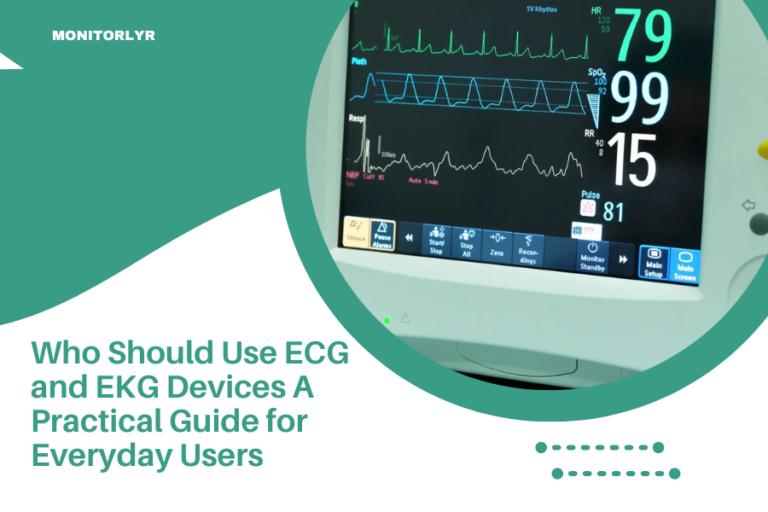
Using a Heart Monitor for POTS: Best Practices
Heart monitors can help POTS patients track their heart rate patterns throughout daily activities and detect episodes early.
The best heart monitor for POTS should provide continuous monitoring, customizable heart rate alerts, and detailed data logging capabilities.
What is POTS and Why Does Heart Monitoring Matter?
POTS stands for Postural Orthostatic Tachycardia Syndrome. It’s a condition where your heart rate jumps up dramatically when you stand up. We’re talking about increases of 30 beats per minute or more within 10 minutes of standing.
Think of your heart as a car engine that suddenly revs up every time you shift into drive. That’s what happens with POTS. Your body struggles to maintain proper blood flow when you change positions.
How Heart Monitors Help POTS Patients
A heart monitor acts like your personal early warning system. It tracks your heart rate patterns and can alert you before symptoms get worse. Many people with POTS learn to recognize their triggers this way.
From what I read in medical journals, continuous monitoring helps doctors adjust medications and treatment plans more effectively (Cleveland Clinic).
Types of Heart Monitors for POTS
Chest Strap Monitors
These wrap around your chest and give the most accurate readings. They’re like having an EKG machine with you all day. The downside? They can feel uncomfortable during long wear.
Most chest straps sync with smartphone apps. You get real-time data and can share reports with your doctor.
Wristband Heart Rate Monitors
Smartwatches and fitness trackers fall into this category. They’re convenient and comfortable for daily wear. However, they’re not always as precise as chest straps, especially during rapid heart rate changes.
Research shows optical sensors in wristbands can struggle with accuracy during POTS episodes when blood flow changes quickly (NIH).
Patch Monitors
These stick to your skin like a bandage and can monitor for weeks. Doctors often prescribe them for detailed analysis. They’re waterproof and barely noticeable once applied.
Essential Features for POTS Monitoring
Customizable Heart Rate Alerts
You need a device that lets you set your own alert thresholds. Standard fitness tracker alerts won’t work for POTS. Your “high” heart rate might be someone else’s normal exercise rate.
Set alerts for both your standing heart rate threshold and your maximum safe rate. This gives you time to sit down or take medication before symptoms worsen.
Continuous 24/7 Monitoring
POTS symptoms can happen anytime. You need a monitor that works while you sleep, shower, and go about daily activities. Intermittent monitoring misses too many episodes.
Data Export and Sharing
Your doctor needs to see your heart rate patterns over time. Look for devices that create detailed reports you can email or print. Charts showing heart rate changes with position changes are especially helpful.
Best Practices for Using Heart Monitors with POTS
Proper Device Placement
For chest straps, position them just below your chest muscles. The sensors should sit snugly against your skin. Too loose and you’ll get inaccurate readings.
Wristband monitors work best on your non-dominant hand, about a finger’s width above your wrist bone. Make sure it’s snug but not cutting off circulation.
Calibration and Setup
Spend time setting up your device properly. Enter your actual resting heart rate, not the device default. Many people with POTS have higher resting rates than average.
Test your alerts in a safe environment first. Stand up slowly while watching your monitor to see how quickly it detects changes.
Setting Appropriate Alert Levels
Work with your doctor to determine your personal alert thresholds. A common starting point is 30 beats above your resting rate when standing. Adjust based on your specific symptoms and triggers.
Creating Monitoring Schedules
Some people benefit from more intensive monitoring during certain times. Maybe you track continuously for a week each month, or focus on monitoring during symptom flares.
Daily Monitoring Strategies
Morning Routine Monitoring
Start tracking before you get out of bed. Take your lying-down heart rate, then monitor as you sit up and stand. This morning pattern often predicts how your day will go.
Many POTS patients notice their morning heart rate patterns change with weather, stress, or sleep quality.
Activity-Based Tracking
Pay attention to your heart rate during specific activities. Showering, cooking, or climbing stairs might trigger episodes. Your monitor helps identify these patterns.
Keep a simple log of activities alongside your heart rate data. You’ll start seeing connections between certain tasks and symptoms.
Medication Timing
If you take heart rate medications, monitor how your heart responds throughout the day. Some medications wear off faster than others.
Your monitor data can help your doctor adjust medication timing and dosages more precisely.
| Monitor Type | Accuracy | Comfort | Battery Life | Best For POTS |
|---|---|---|---|---|
| Chest Strap | Excellent | Fair | 12-24 hours | Precise episode detection |
| Smartwatch | Good | Excellent | 1-3 days | Daily lifestyle tracking |
| Patch Monitor | Excellent | Excellent | 1-2 weeks | Long-term analysis |
Interpreting Your Heart Rate Data
Understanding Normal vs. Concerning Patterns
Your heart rate will naturally vary throughout the day. What matters for POTS is the sudden jumps when changing positions. Look for patterns, not isolated readings.
A gradual increase during physical activity is normal. A sudden spike while standing still or doing light tasks might indicate a POTS episode.
Tracking Trends Over Time
Weekly and monthly trends matter more than daily variations. Are your episodes becoming more frequent? Are medications helping reduce peak heart rates?
Many patients find their POTS symptoms fluctuate with hormonal changes, weather patterns, or stress levels. Long-term monitoring reveals these connections.
Creating Useful Reports for Doctors
Doctors want to see specific data points. Include your resting rate, average standing rate, and peak rates during episodes. Note any symptoms that occurred during high heart rate periods.
Common Monitoring Mistakes to Avoid
Over-Monitoring and Anxiety
Watching your heart rate constantly can increase anxiety, which raises your heart rate even more. It becomes a frustrating cycle.
Set specific times to check your data rather than staring at real-time numbers all day. Trust your body’s signals too, not just the device.
Ignoring Device Limitations
No consumer heart monitor is perfect. They can give false readings due to movement, poor contact, or electrical interference. Learn to recognize when readings seem off.
If your device shows a heart rate of 200 but you feel fine, double-check with a manual pulse count or different device.
Misinterpreting Normal Variations
Your heart rate naturally changes with breathing, temperature, hydration, and emotions. Not every increase means a POTS episode.
Working with Healthcare Providers
Sharing Data Effectively
Bring specific examples to appointments, not just general statements. Instead of “my heart rate gets high,” show charts of when, how high, and what you were doing.
Many doctors appreciate seeing correlations between symptoms and heart rate data. It helps them understand your condition better.
Adjusting Treatment Based on Data
Your monitoring data should inform treatment decisions. Maybe you need medication adjustments, or perhaps certain activities should be modified.
Some patients discover their POTS responds better to specific timing of medications or lifestyle changes based on their heart rate patterns.
Lifestyle Integration Tips
Making Monitoring Sustainable
Choose a monitoring routine you can stick with long-term. Intensive monitoring for short periods often provides better insights than inconsistent daily tracking.
Some people monitor continuously for two weeks every few months. Others prefer consistent daily monitoring with less detailed analysis.
Balancing Awareness with Quality of Life
Heart monitoring should improve your life, not control it. Use the data to make informed decisions, but don’t let numbers dictate every activity.
Technology and App Integration
Choosing Compatible Apps
Look for apps that can export data in formats your doctor can use. PDF reports work better than screenshots for medical records.
Some apps let you add notes about symptoms, medications, or activities alongside heart rate data. This context makes the numbers more meaningful.
Cloud Storage and Data Backup
Keep your monitoring data backed up. Losing months of heart rate patterns is frustrating and unhelpful for ongoing treatment.
Cost Considerations and Insurance
Insurance Coverage Options
Some insurance plans cover heart monitors when prescribed by a doctor for diagnosed conditions like POTS. Check with your provider about coverage options.
Prescription monitors often provide more detailed data than consumer devices, and insurance coverage makes them more affordable.
Conclusion
Using a heart monitor for POTS gives you valuable insights into your condition and helps guide treatment decisions. The key is finding the right device for your needs and using it consistently without letting it control your life.
Start with basic monitoring to understand your patterns, then work with your healthcare team to interpret the data and adjust your treatment plan. Remember that the monitor is a tool to help you manage POTS better, not a replacement for medical care and your own body awareness.
Can heart monitors prevent POTS episodes from happening?
Heart monitors don’t prevent episodes, but they can give you early warning signs. When you see your heart rate climbing, you can sit down, drink fluids, or take medication before symptoms become severe.
How accurate are consumer heart monitors for POTS patients?
Consumer devices are generally accurate for tracking trends and sudden increases, which is what matters most for POTS. They may not be as precise as medical-grade equipment, but they’re sufficient for daily management and sharing useful data with your doctor.
Should I wear my heart monitor 24/7 or just during certain activities?
This depends on your symptoms and goals. Continuous monitoring for short periods (1-2 weeks) often provides better insights than partial daily monitoring. Many patients find monitoring during high-risk activities like morning routines or exercise most helpful.
What heart rate threshold should trigger concern for POTS patients?
POTS is typically diagnosed when heart rate increases by 30 beats per minute within 10 minutes of standing. Your personal alert threshold should be set with your doctor’s guidance, as it varies based on your baseline heart rate and symptom patterns.
Can I use my smartphone instead of a dedicated heart monitor?
Smartphone apps that use the camera flash to detect heart rate can work for occasional checks, but they’re not suitable for continuous POTS monitoring. They require you to stay still and hold your finger steady, which isn’t practical for tracking positional changes throughout the day.