EKG for Seniors: Why Monitoring Over 60 Matters
EKG monitoring becomes critical after age 60 because heart disease risk doubles every decade, and early detection can prevent life-threatening cardiac events.
Seniors over 60 should consider regular EKG monitoring since age-related heart changes often develop silently, making symptoms easy to miss until serious complications occur.
Your heart changes as you age. What worked fine at 40 might need attention at 65. Think of your heart like a car engine – after years of faithful service, it needs more frequent check-ups to catch problems before they leave you stranded.
I found through research that heart disease remains the leading cause of death for adults over 65 (CDC). The good news? EKG technology now makes heart monitoring easier than ever for seniors.
Why Your Heart Needs More Attention After 60
Age brings predictable changes to your cardiovascular system. Your heart muscle thickens. Arteries stiffen. The electrical system that controls your heartbeat can develop glitches.
These changes happen gradually. You might not notice them until a major event occurs. That’s where EKG monitoring becomes your early warning system.
Common Heart Conditions in Seniors
Research shows several heart conditions become more common after 60. Atrial fibrillation affects about 9% of people over 65 (American Heart Association). This irregular heartbeat increases stroke risk by five times.
Coronary artery disease also peaks in this age group. Silent heart attacks – ones you don’t feel – happen more often in seniors too.
The Silent Nature of Senior Heart Problems
Here’s what makes senior heart issues tricky: they often hide. Your chest pain might feel like heartburn. Shortness of breath might seem like normal aging. Fatigue could appear to be just getting older.
An EKG doesn’t lie, though. It shows your heart’s electrical activity in real-time, catching problems your body might not signal clearly.
What EKG Monitoring Reveals for Seniors
An EKG captures your heart’s electrical signals through sensors placed on your skin. For seniors, this simple test can reveal several important conditions.
Irregular Heart Rhythms
Atrial fibrillation tops the list of concerns for seniors. This chaotic heart rhythm creates turbulent blood flow, leading to clot formation. Those clots can travel to your brain, causing stroke.
Other rhythm problems include bradycardia (slow heart rate) and tachycardia (fast heart rate). Both can cause dizziness, fatigue, and fainting in older adults.
Heart Block Detection
Age can damage the electrical pathways in your heart. When signals get blocked, your heart rate drops dangerously low. EKGs spot these blocks early, often before symptoms appear.
Signs of Heart Attack
EKGs can detect both active heart attacks and evidence of previous ones you might not have felt. Research indicates up to 45% of heart attacks are silent, especially in seniors (NIH).
Changes in your EKG pattern can reveal blocked arteries or damaged heart muscle, even weeks after an event.
Types of EKG Monitoring for Seniors
You have several EKG monitoring options, each suited for different situations and lifestyles.
Traditional 12-Lead EKG
This standard test uses 12 sensors and takes about 10 minutes. Your doctor uses this for routine checkups or when investigating symptoms.
The 12-lead EKG provides the most complete picture of your heart’s electrical activity. It’s the gold standard for diagnosing heart attacks and rhythm problems.
When You Need a 12-Lead EKG
Schedule a 12-lead EKG if you experience chest pain, shortness of breath, dizziness, or palpitations. Also get one before starting new medications or exercise programs.
Holter Monitors
A Holter monitor records your heart rhythm for 24 to 48 hours. You wear this small device while going about your normal activities.
This extended monitoring catches intermittent problems that might not show up during a brief office visit. It’s perfect for investigating occasional palpitations or dizzy spells.
How to Use a Holter Monitor
Keep a diary of your activities and symptoms while wearing the monitor. This helps your doctor connect symptoms with heart rhythm changes. You can shower with most newer models, but ask your healthcare provider first.
Event Monitors
Event monitors record your heart rhythm only when you activate them during symptoms. You might wear one for weeks or months.
These work well for symptoms that happen rarely – maybe once a week or less. When you feel something unusual, you press a button to start recording.
Mobile Cardiac Telemetry
This advanced monitoring sends real-time data to a monitoring center. Technicians watch for dangerous rhythms 24/7 and alert your doctor immediately if problems arise.
Home EKG Devices for Seniors
Technology now puts EKG monitoring in your hands. Several FDA-approved devices let you check your heart rhythm at home.
Smartphone-Based EKG Devices
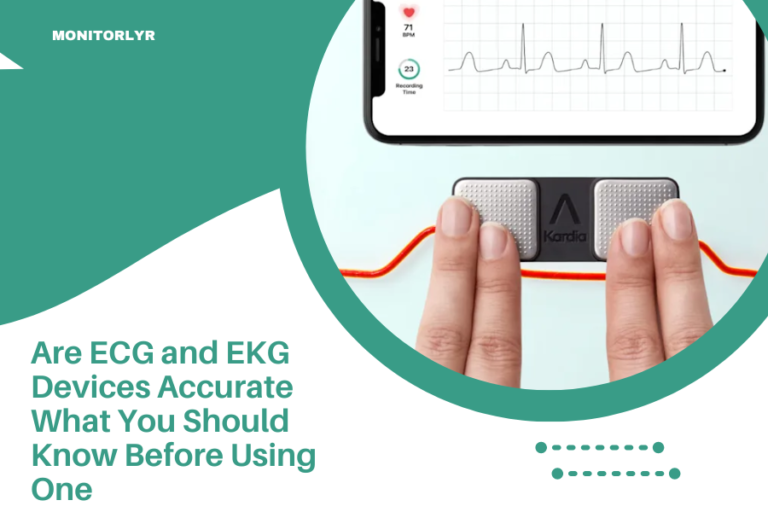
Devices like AliveCor’s KardiaMobile attach to your smartphone. Place your fingers on the sensors for 30 seconds, and you get an EKG reading.
The app analyzes your rhythm and flags potential problems. You can share results with your doctor instantly.
Smartwatch EKG Features
Apple Watch and other smartwatches now include EKG capability. They’re convenient but provide less detailed information than dedicated medical devices.
Use smartwatch EKGs for general monitoring, but don’t rely on them for diagnosing serious conditions.
Patch Monitors
These adhesive patches stick to your chest and monitor continuously for days or weeks. They’re waterproof and wireless, making them convenient for active seniors.
Patch monitors automatically detect and record abnormal rhythms. Some send data directly to your doctor’s office.
Benefits of Regular EKG Monitoring for Seniors
Regular EKG monitoring offers several advantages that become more important as you age.
Early Detection Saves Lives
Catching heart problems early dramatically improves outcomes. Atrial fibrillation caught early can be managed with medication to prevent stroke. Heart attacks detected quickly cause less permanent damage.
I came across studies showing that early detection of heart rhythm problems reduces hospitalization rates by up to 30% in seniors (Journal of the American College of Cardiology).
Medication Management
Many medications affect heart rhythm, especially in seniors who often take multiple drugs. Regular EKG monitoring helps your doctor adjust dosages safely.
Some blood pressure medications can slow your heart rate too much. Others might cause dangerous rhythm changes. EKG monitoring catches these problems before they become serious.
Peace of Mind
Knowing your heart rhythm is normal provides valuable peace of mind. When chest tightness turns out to be muscle strain rather than a heart attack, you can relax and enjoy life.
On the flip side, identifying real problems early lets you take action before they become emergencies.
When to Seek EKG Monitoring
Certain situations make EKG monitoring especially important for seniors.
Risk Factor Assessment
Multiple risk factors increase your need for monitoring. High blood pressure, diabetes, high cholesterol, smoking history, and family heart disease all matter.
If you have two or more risk factors, discuss regular EKG monitoring with your doctor. The combination multiplies your risk more than adding individual risks together.
Symptom Checklist
Watch for these symptoms that warrant EKG evaluation:
- Chest pain or pressure, even mild
- Shortness of breath during normal activities
- Dizziness or lightheadedness
- Heart palpitations or racing
- Unusual fatigue
- Swelling in legs or feet
Medication Reviews
Starting certain medications requires baseline EKG monitoring. Blood thinners, heart medications, and some antibiotics can affect heart rhythm.
Annual medication reviews should include EKG assessment, especially if you take multiple prescriptions.
Understanding Your EKG Results
Learning to read basic EKG patterns helps you understand your heart health better.
Normal vs. Abnormal Patterns
A normal EKG shows regular, evenly spaced heartbeats. The pattern repeats consistently across the recording.
Abnormal patterns might show irregular spacing, missing beats, or unusual wave shapes. Your doctor interprets these changes in context with your symptoms and medical history.
Age-Related Changes
Some EKG changes are normal with aging. Heart rate typically decreases slightly. The electrical signals might take longer to travel through your heart.
These normal changes differ from pathological problems that need treatment. Your doctor distinguishes between normal aging and concerning abnormalities.
| EKG Finding | Normal Aging | Needs Attention |
|---|---|---|
| Heart Rate | 60-100 BPM | Below 50 or above 120 |
| Rhythm | Regular with occasional skips | Consistently irregular |
| Wave Shape | Slight changes in size | New abnormal patterns |
Cost and Insurance Considerations
Medicare typically covers EKG testing when medically necessary. This includes routine screening for seniors with risk factors and diagnostic testing for symptoms.
Home monitoring devices vary in cost from $100 to $500. Some insurance plans cover these devices when prescribed by your doctor.
Maximizing Insurance Coverage
Work with your doctor to document medical necessity for EKG monitoring. Symptoms, risk factors, and medication needs all support coverage decisions.
Keep records of symptoms and when they occur. This documentation helps justify extended monitoring periods.
Conclusion
EKG monitoring becomes increasingly important after age 60 as heart disease risk rises and symptoms become less obvious. Regular monitoring catches problems early when treatment is most effective. Whether through routine office visits, extended monitoring, or home devices, EKG technology now makes heart rhythm assessment more accessible than ever. Talk with your doctor about the right monitoring approach for your individual risk factors and lifestyle. Your heart has served you well for decades – give it the attention it deserves in your golden years.
How often should seniors get EKG tests?
Most seniors should have an EKG annually during routine checkups, or more frequently if they have risk factors like high blood pressure, diabetes, or heart disease symptoms. Your doctor will recommend the right schedule based on your individual health profile.
Can home EKG devices replace doctor visits?
Home EKG devices complement but don’t replace regular medical care. They’re useful for monitoring between visits and catching intermittent problems, but doctors provide comprehensive interpretation and treatment planning that home devices cannot offer.
What should I do if my home EKG shows an abnormal reading?
Contact your healthcare provider promptly if you get abnormal readings, especially if you have symptoms like chest pain or dizziness. Don’t panic over single abnormal readings, as movement or poor sensor contact can cause false alarms.
Are EKG tests safe for seniors with pacemakers?
Yes, EKG tests are completely safe for people with pacemakers or other cardiac devices. In fact, regular EKG monitoring is often more important for these individuals to ensure their devices are working properly and their heart rhythm remains stable.
What’s the difference between EKG and ECG?
EKG and ECG refer to the same test – electrocardiogram. EKG comes from the German spelling (elektrokardiogramm), while ECG uses the English spelling. Both terms are widely used and mean exactly the same diagnostic procedure.