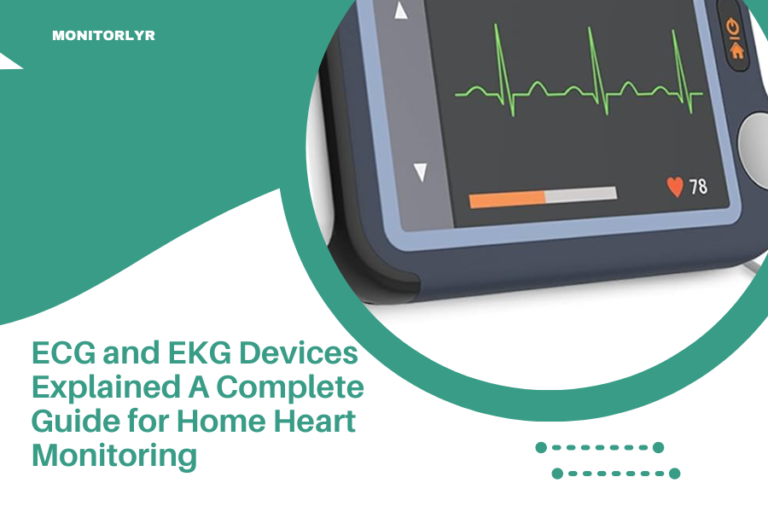
ECG vs. EKG: Is There Actually a Difference?
ECG and EKG refer to the exact same medical test – there is no difference between them except the letters used.
The different abbreviations come from language origins: ECG uses English spelling while EKG comes from the original German term “elektrokardiogramm.”
Why Two Different Names for the Same Thing?
You might wonder why we have two names floating around for identical heart monitoring technology. The answer takes us back over 100 years.
A Dutch scientist named Willem Einthoven invented this heart-reading machine in 1902. He used the German term “elektrokardiogramm” because German was the dominant scientific language back then.
When the technology spread to English-speaking countries, doctors faced a choice. Some translated it directly to “electrocardiogram” (ECG). Others kept the German spelling pattern and used EKG.
Regional Preferences Shape Usage
Different parts of the world picked different abbreviations. American hospitals and clinics tend to say EKG more often. European and many other international medical communities prefer ECG.
But here’s what matters: both terms describe the same exact procedure, equipment, and results.
What Does This Test Actually Measure?
Your heart creates electrical signals every time it beats. These tiny electrical pulses tell your heart muscle when to squeeze and pump blood.
An ECG/EKG captures these electrical patterns through sticky patches placed on your skin. The machine translates these signals into wavy lines on paper or a computer screen.
The Science Behind the Squiggles
Those wavy lines aren’t random. Each part represents a different phase of your heartbeat cycle.
Doctors can spot irregular rhythms, damaged heart muscle, or blocked arteries by reading these patterns. It’s like having a window into your heart’s electrical system.
Normal vs. Abnormal Patterns
A healthy heart creates predictable wave patterns. The timing between waves, their height, and their shape all provide information about your heart’s condition.
When something’s wrong, these patterns change. Maybe the waves come too fast, too slow, or in irregular clusters.
Different Types of Heart Monitoring
You’ll encounter several variations of ECG/EKG testing depending on your needs.
Resting ECG/EKG
This is the standard version you’ve probably experienced. You lie still on a table while the machine records your heart’s activity for about 10 seconds.
It’s quick, painless, and gives doctors a snapshot of your heart rhythm at rest.
Stress Test ECG/EKG
Sometimes doctors need to see how your heart behaves under pressure. You’ll walk or run on a treadmill while connected to the monitoring equipment.
This reveals problems that only show up when your heart works harder.
Holter Monitor
Think of this as a 24-hour ECG/EKG. You wear a small device that records your heart rhythm throughout your normal daily activities.
It catches irregular rhythms that come and go, which a short office test might miss.
Event Monitors
These work like Holter monitors but for longer periods – sometimes weeks or months. You press a button when you feel symptoms.
Modern Home ECG/EKG Devices
Technology has made basic heart rhythm monitoring available at home. Several consumer devices now offer ECG/EKG capabilities.
Smartwatch ECG Features
Apple Watch, Samsung Galaxy Watch, and other smartwatches include ECG apps. You place your finger on the crown while wearing the watch.
These provide single-lead ECG readings in about 30 seconds. They’re not as detailed as medical-grade equipment but can spot some irregular rhythms.
Portable ECG Devices
Standalone devices like KardiaMobile offer more detailed home monitoring. They connect to your smartphone and create ECG readings you can share with your doctor.
Research shows these devices can accurately detect common heart rhythm problems like atrial fibrillation (American Heart Association).
Limitations of Home Devices
Home ECG/EKG devices have clear limitations. They can’t replace full medical evaluations or detect all types of heart problems.
Think of them as early warning systems rather than diagnostic tools.
When Doctors Order ECG/EKG Tests
Several situations prompt doctors to recommend heart rhythm monitoring.
Symptoms That Trigger Testing
Chest pain, shortness of breath, dizziness, or fainting episodes often lead to ECG/EKG orders. Feeling like your heart skips beats or races also warrants testing.
Sometimes you feel perfectly fine but have risk factors that make monitoring wise.
Routine Screening Situations
Pre-surgery checkups almost always include ECG/EKG testing. Doctors need to ensure your heart can handle anesthesia and surgical stress.
Annual physicals for people over 40 or those with heart disease family history may include routine ECG/EKG screening.
Medication Monitoring
Some medications affect heart rhythm. Doctors use periodic ECG/EKG tests to watch for unwanted changes.
Understanding Your Results
ECG/EKG results include several key measurements that doctors analyze.
Heart Rate and Rhythm
Normal resting heart rate falls between 60-100 beats per minute for adults. The rhythm should be regular with consistent spacing between beats.
Faster, slower, or irregular patterns may indicate various heart conditions.
Wave Analysis
Each heartbeat creates P waves, QRS complexes, and T waves on the printout. The size, shape, and timing of these waves reveal different information about your heart’s function.
| Wave Type | What It Shows | Normal Duration |
|---|---|---|
| P Wave | Atrial contraction | Less than 0.12 seconds |
| QRS Complex | Ventricular contraction | 0.06-0.10 seconds |
| T Wave | Ventricular recovery | 0.10-0.25 seconds |
Common Abnormal Findings
Atrial fibrillation shows up as irregularly spaced beats without clear P waves. Heart attacks leave characteristic changes in specific wave patterns.
Your doctor will explain any abnormal findings and what they mean for your health.
The Testing Process
Getting an ECG/EKG is straightforward and comfortable for most people.
What to Expect During Testing
You’ll remove clothing from your chest and lie on an examination table. A technician places 10 sticky electrodes on your chest, arms, and legs.
The actual recording takes less than a minute. You simply lie still and breathe normally.
Preparation Tips
Avoid lotions or oils on your skin before testing – they interfere with electrode contact. Wear clothing that’s easy to remove from your upper body.
Let the technician know about any medications you’re taking, as some can affect results.
Cost and Insurance Coverage
ECG/EKG costs vary depending on where you have the test done and your insurance coverage.
Most health insurance plans cover ECG/EKG testing when ordered by a doctor for medical reasons. Routine screening may have different coverage rules.
Hospital emergency departments, doctor’s offices, and outpatient clinics all offer ECG/EKG services at different price points.
Conclusion
ECG and EKG are simply two abbreviations for the same heart monitoring test. Whether your doctor orders an “ECG” or “EKG,” you’re getting identical technology that reads your heart’s electrical activity.
The choice of abbreviation often depends on regional preferences or individual doctor habits. What matters is the valuable information this quick, painless test provides about your heart health.
From basic office screenings to advanced home monitoring devices, ECG/EKG technology continues helping people understand and protect their heart health. Don’t let the different abbreviations confuse you – focus on the important health insights this testing provides.
Is an ECG or EKG more accurate than the other?
Neither is more accurate because ECG and EKG refer to the identical test using the same equipment and procedures. The accuracy depends on the quality of the machine and the technician’s skill, not which abbreviation is used.
Do hospitals prefer ECG or EKG terminology?
Hospital preference varies by region and tradition. American hospitals often use EKG while international facilities commonly use ECG. Both terms appear in medical records and mean exactly the same thing.
Can I request either an ECG or EKG from my doctor?
You can use either term when talking to your doctor – they’ll understand you’re referring to heart rhythm monitoring. Most medical professionals use both abbreviations interchangeably in conversation.
Do ECG and EKG machines look different?
ECG and EKG machines are identical in appearance and function. The only difference might be how the manufacturer labels the device, but the technology, electrodes, and printouts are the same regardless of which abbreviation is used.
Will my test results say ECG or EKG?
Your test results may use either abbreviation depending on your healthcare facility’s preferences or the equipment manufacturer’s labeling. The medical information and wave patterns will be identical regardless of which term appears on your printout.