ECG and EKG Devices Explained A Complete Guide for Home Heart Monitoring
ECG and EKG devices have become increasingly popular as people look for convenient ways to monitor heart health at home. These devices allow users to track heart rhythm, detect irregularities, and better understand cardiovascular patterns without visiting a clinic for every check.
This guide explains what ECG and EKG devices are, how they work, who they are for, and what to consider before choosing one.
What Are ECG and EKG Devices
ECG and EKG both refer to the same test. ECG is the English abbreviation for electrocardiogram, while EKG comes from the German spelling elektrokardiogramm. Both terms describe devices that measure the electrical activity of the heart.
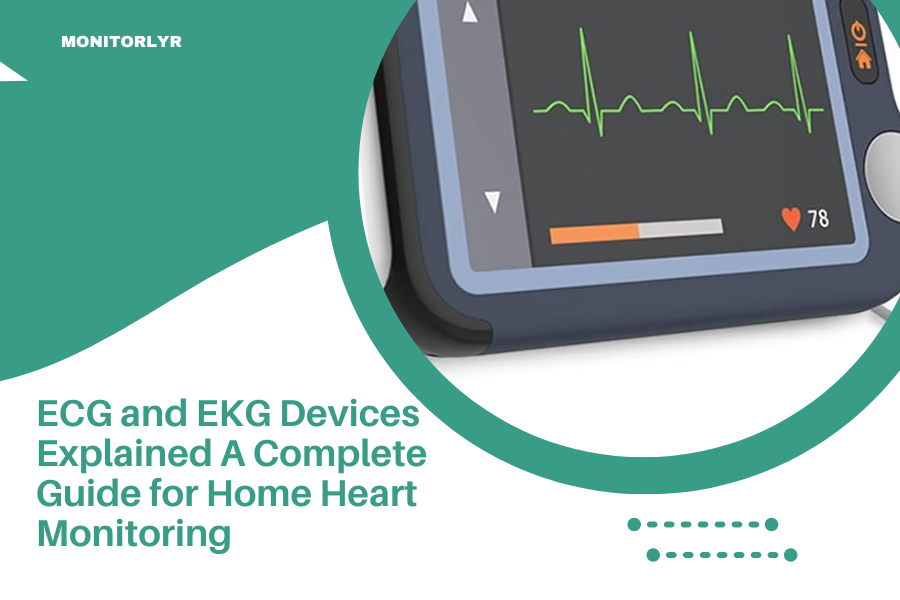
ECG and EKG devices record electrical signals produced when the heart beats. These signals are displayed as a waveform that can reveal heart rate, rhythm, and potential irregularities.
How ECG and EKG Devices Work
ECG and EKG devices use electrodes to detect electrical impulses generated by the heart. Depending on the device type, electrodes may be placed on the chest, wrists, fingers, or integrated into wearable designs.
Most consumer ECG devices follow this basic process:
• Sensors detect electrical signals from the heart • Signals are processed and converted into readable data • Results are displayed on a screen or mobile app • Data may be stored for long term tracking or sharing with healthcare professionals
Some devices offer single lead readings, while others provide multi lead measurements that offer more detailed heart activity information.
Types of ECG and EKG Devices
There are several types of ECG and EKG devices designed for home use.
Handheld ECG Devices
Handheld devices typically require users to place fingers or palms on sensors. These devices are portable, easy to use, and ideal for quick spot checks.
Wearable ECG Devices
Wearable ECG devices are often built into smartwatches or wearable health sensors. They allow users to capture readings during daily activities and may automatically detect irregular rhythms.
Patch and Chest Strap Devices
These devices attach directly to the body and provide continuous monitoring over longer periods. They are commonly used for detailed tracking and extended heart rhythm analysis.
Benefits of Using ECG and EKG Devices
Home ECG and EKG devices offer several advantages.
• Early detection of irregular heart rhythms • Convenient monitoring without frequent clinic visits • Improved awareness of heart health trends • Ability to share data with healthcare providers • Support for lifestyle and fitness related insights
These devices can be especially useful for individuals managing heart conditions or tracking symptoms such as palpitations or dizziness.
Accuracy and Limitations
While modern ECG and EKG devices are highly advanced, they are not a replacement for professional medical equipment or diagnosis.
Accuracy depends on factors such as:
• Proper sensor placement • Device quality and calibration • User movement during readings • Skin condition and contact quality
Many consumer ECG devices are designed for screening and monitoring rather than diagnosis. Abnormal readings should always be reviewed by a qualified healthcare professional.
Who Should Consider an ECG or EKG Device
ECG and EKG devices may be helpful for:
• Individuals monitoring known heart conditions • People experiencing occasional heart rhythm symptoms • Fitness focused users tracking heart performance • Older adults interested in preventive health • Caregivers supporting family members
They may not be necessary for everyone, especially those without symptoms or risk factors.
Key Features to Look For
When choosing an ECG or EKG device, consider the following features:
• Type of measurement and number of leads • Ease of use and setup • App compatibility and data storage • Ability to export or share reports • Battery life and charging method • Regulatory approvals and certifications • Price and warranty coverage
Selecting the right device depends on your health goals and how often you plan to use it.
ECG and EKG Devices and Medical Advice
ECG and EKG devices provide valuable information, but they should not be used to self diagnose medical conditions. Always consult a healthcare professional if you notice unusual patterns or symptoms.
Final Thoughts
ECG and EKG devices can play a helpful role in personal heart health awareness. By understanding how they work and what they offer, users can make informed decisions about whether these devices fit their needs.
Used responsibly, ECG and EKG devices support better communication with healthcare providers and encourage proactive heart health monitoring.