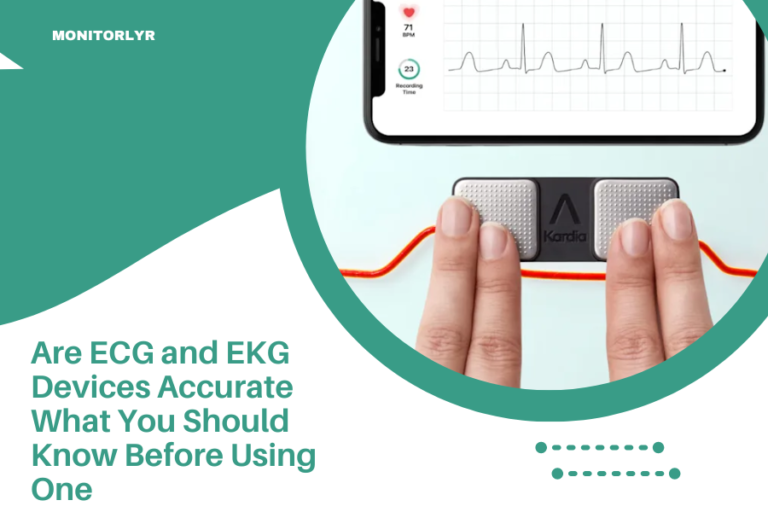
Cardiac Event Recorders: Tracking Rare Symptoms
Cardiac event recorders are portable ECG devices that continuously monitor your heart rhythm for weeks or months, capturing irregular heartbeats that standard tests often miss.
These specialized monitors help doctors diagnose heart conditions by recording your cardiac activity during daily activities, providing detailed data about rare symptoms like palpitations, dizziness, or chest pain.
What Are Cardiac Event Recorders?
Think of a cardiac event recorder as your heart’s personal detective. While a regular ECG only captures 10 seconds of heart activity, these devices watch your heart for extended periods.
I found that these monitors come in two main types: continuous recorders and symptom-activated recorders. Both serve the same goal – catching those sneaky heart rhythm problems that come and go.
How They Differ From Regular Heart Monitors
Regular ECGs are like taking a snapshot. Event recorders are like filming a movie. They give your doctor the full story of what your heart does during normal daily life.
Standard heart tests happen in clinical settings. Event recorders work while you sleep, exercise, work, and go about your routine.
Types of Cardiac Event Recorders
External Loop Recorders
These devices attach to your chest with adhesive electrodes. You wear them for 2-4 weeks typically.
When you feel symptoms, you press a button. The device saves the heart rhythm from before, during, and after the event.
Pros and Cons of External Models
The good news? They’re easy to remove and comfortable for most people. The downside? You might forget to press the button during symptoms.
Implantable Loop Recorders
These tiny devices go under your skin through a small procedure. They can monitor your heart for up to three years.
I read that many doctors prefer these for patients with very infrequent symptoms. They automatically detect and record abnormal rhythms.
When Doctors Recommend Implantable Devices
Your doctor might suggest this option if you have unexplained fainting spells, stroke of unknown cause, or symptoms that happen less than once monthly.
Common Symptoms That Require Event Recording
Palpitations and Irregular Heartbeats
Do you feel your heart racing, skipping beats, or fluttering? These sensations often happen randomly, making them hard to catch during regular doctor visits.
Event recorders excel at capturing these episodes. They show your doctor exactly what your heart rhythm looks like during these uncomfortable moments.
Unexplained Dizziness or Fainting
Sudden dizzy spells can be scary. Are they related to your heart rhythm or something else?
Many fainting episodes happen due to heart rhythm changes. Event recorders help doctors determine if your symptoms connect to cardiac issues (Mayo Clinic).
Chest Pain Episodes
Not all chest pain means heart attack. But recurring chest discomfort deserves investigation.
Event recorders can show if your chest pain coincides with heart rhythm changes or other cardiac events.
How Event Recorders Work
Continuous Monitoring Technology
These devices use the same ECG technology as hospital monitors. But they’re designed for long-term, comfortable wear.
The recorder stores heart rhythm data in its memory. Most models can save multiple episodes for your doctor to review.
Patient-Activated Recording
When you feel symptoms, you activate the device. It typically records 30-60 seconds before activation and continues for several minutes after.
This pre-event recording feature is brilliant. It captures what happened just before you noticed symptoms.
Automatic Detection Features
Modern recorders can detect abnormal rhythms automatically. They recognize patterns like very fast, very slow, or irregular heartbeats.
This backup system helps catch events you might sleep through or not notice.
Getting Your Event Recorder
Doctor’s Evaluation Process
Your doctor will review your symptoms and medical history first. They might order a regular ECG or echocardiogram before recommending event monitoring.
Most insurance companies require this step-by-step approach. Start with simpler tests, then move to longer monitoring if needed.
Device Setup and Instructions
Medical technicians will show you how to use your recorder. They’ll explain button functions, care instructions, and what activities to avoid.
You’ll get a symptom diary to track when you feel symptoms and what you were doing. This information helps doctors interpret your recordings.
Living With Your Event Recorder
Daily Activity Guidelines
Most recorders allow normal activities. You can work, exercise lightly, and drive as usual.
Swimming and showering require special care with external devices. Your medical team will give you specific water exposure rules.
Sleep Comfort Tips
Sleeping with a heart monitor takes adjustment. Try sleeping on your back initially. Use extra pillows to avoid rolling onto the device.
Skin Care and Device Maintenance
External electrodes can irritate sensitive skin. Clean the area gently and let your skin breathe when possible.
Call your medical team if you notice significant skin redness, itching, or irritation around electrode sites.
What Your Results Mean
Normal Heart Rhythm Patterns
Good news if your recordings show normal rhythms during symptoms. This often means your heart isn’t causing your discomfort.
Your doctor might investigate other causes like anxiety, blood pressure changes, or medication side effects.
Abnormal Findings and Next Steps
Abnormal recordings guide your treatment plan. Different rhythm problems require different approaches.
Some findings need immediate treatment. Others require monitoring or lifestyle changes.
Common Treatment Options
Treatments range from medications to procedures. Your doctor will explain options based on your specific findings and overall health.
| Rhythm Problem | Common Treatment | Success Rate |
|---|---|---|
| Atrial Fibrillation | Blood thinners, rate control | High with proper medication |
| Slow Heart Rate | Pacemaker if severe | Excellent symptom relief |
| Fast Heart Rate | Medications, ablation | Good with treatment |
Cost and Insurance Coverage
Typical Expenses
Event recorder costs vary widely. External monitors typically cost less than implantable versions.
I found that total costs include device rental, setup, monitoring services, and result interpretation fees.
Insurance Approval Process
Most insurance plans cover medically necessary heart monitoring. Your doctor needs to document your symptoms and previous test results.
Prior authorization requirements vary by insurance company. Your medical team usually handles this paperwork.
Conclusion
Cardiac event recorders offer you the best chance to capture those elusive heart rhythm problems that standard tests miss. They provide your doctor with the detailed information needed to make accurate diagnoses and create effective treatment plans.
Don’t let intermittent symptoms go undiagnosed. If you experience unexplained palpitations, dizziness, or chest discomfort, talk to your doctor about event monitoring. The peace of mind and potential health benefits make this technology a valuable tool in modern cardiac care.
How long do I need to wear a cardiac event recorder?
Most external event recorders are worn for 2-4 weeks, while implantable devices can monitor for up to three years. Your doctor determines the duration based on how often your symptoms occur and what previous tests have shown.
Can I exercise while wearing an event recorder?
Light to moderate exercise is usually fine with event recorders. Avoid contact sports or activities that might dislodge external electrodes. Swimming and heavy sweating may affect device function, so discuss your exercise routine with your medical team.
What happens if I forget to press the button during symptoms?
Many modern recorders have automatic detection features that capture abnormal rhythms even if you don’t activate them. You can also press the button after symptoms start – the device typically records several minutes before activation.
Are there any side effects from implantable loop recorders?
Implantable devices occasionally cause minor skin irritation or discomfort at the insertion site. Serious complications are rare but can include infection or device malfunction. Most patients adapt well and forget the device is there.
How accurate are cardiac event recorders compared to hospital monitors?
Event recorders use the same ECG technology as hospital equipment and provide equally accurate heart rhythm data. The main advantage is extended monitoring time, which increases the chance of capturing intermittent problems that hospital stays would miss.