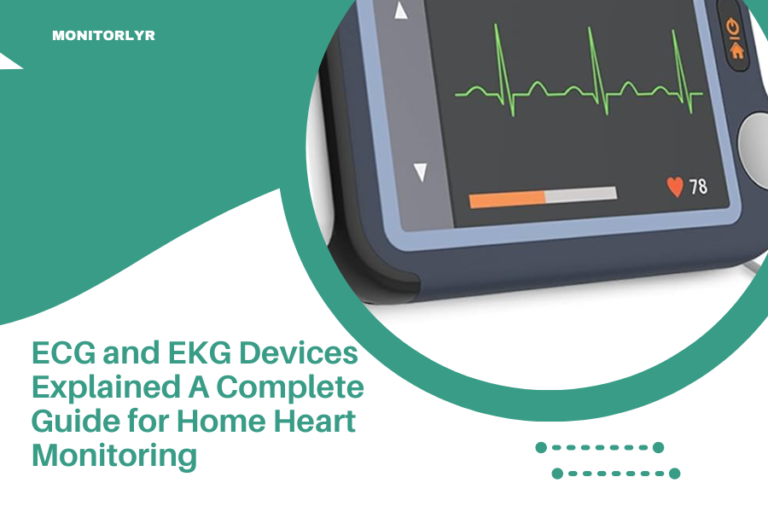
Caffeine Sensitivity: Using EKG to Track Reactions
EKG monitoring can help track your heart’s response to caffeine by detecting changes in heart rate, rhythm irregularities, and arrhythmias that occur after consuming coffee or other caffeinated drinks.
Most people with caffeine sensitivity experience noticeable EKG changes within 30-60 minutes of consumption, including elevated heart rate and occasional premature beats that show up as distinct patterns on the monitor.
What Caffeine Does to Your Heart
When you drink coffee, your heart doesn’t just beat faster. It can also change its rhythm in ways you might not feel right away.
Caffeine blocks adenosine receptors in your body. Think of adenosine as your heart’s natural brake pedal. When caffeine removes that brake, your heart rate jumps up. Some people handle this well. Others don’t.
Your heart might skip beats, add extra beats, or create irregular patterns. These show up clearly on EKG readings. That’s why tracking with an EKG device gives you real data instead of just guessing how you feel.
Normal vs. Sensitive Heart Responses
A normal caffeine response shows a mild increase in heart rate. Maybe you go from 70 beats per minute to 85. The rhythm stays steady.
A sensitive response looks different. Your heart rate might jump to 110 or higher. You might see extra beats called PVCs (premature ventricular contractions). These look like odd spikes on your EKG readout.
Why Use EKG for Caffeine Tracking
Your body lies to you sometimes. You might feel fine while your heart is actually struggling with that second cup of coffee.
EKG devices don’t lie. They show exactly what your heart is doing in real time. This helps you make better choices about caffeine intake based on facts, not feelings.
What EKG Catches That You Might Miss
You probably notice when your heart pounds hard. But do you catch subtle rhythm changes? Probably not.
EKG monitoring picks up these small but important changes:
- Heart rate variability shifts
- Minor arrhythmias
- Prolonged QT intervals
- Atrial fibrillation episodes
- Premature beats
The Hidden Dangers
Some people develop atrial fibrillation from too much caffeine. This irregular heart rhythm increases stroke risk. You might not feel it happening, but an EKG will catch it every time.
Research from the Mayo Clinic shows that even healthy people can develop temporary heart rhythm problems from excessive caffeine. The key word is “temporary” – if you catch it early with monitoring.
How to Set Up EKG Caffeine Tracking
You don’t need a hospital-grade EKG machine. Consumer devices work well for basic monitoring. Here’s how to get started.
Choosing the Right EKG Device
Look for devices that can record continuous readings for at least 4-6 hours. That’s how long caffeine affects your system.
Single-lead EKG devices work fine for caffeine tracking. You don’t need the full 12-lead setup that hospitals use. Those are for detecting heart attacks, not caffeine responses.
Key Features You Need
- Real-time rhythm detection
- Data export capabilities
- Irregular heartbeat alerts
- Battery life of 8+ hours
- Smartphone connectivity
Setting Up Your Baseline
Before you test caffeine, you need to know your normal heart patterns. Record your EKG for 2-3 days without any caffeine. Yes, this means no coffee, tea, chocolate, or energy drinks.
This baseline becomes your comparison point. When you add caffeine back, you’ll see exactly how it changes your heart’s behavior.
The Testing Process
Start your EKG device before you drink anything with caffeine. Keep it running for at least 4 hours after your last sip.
Step-by-Step Protocol
Begin recording 30 minutes before consuming caffeine. This gives you a pre-caffeine reading to compare against.
Note the exact time you start drinking. Write down what you consumed and how much. A small coffee affects your heart differently than a large energy drink.
Check your EKG readout every 15 minutes for the first hour. Caffeine usually hits your system within 30-45 minutes. That’s when you’ll see the biggest changes.
What to Watch For
Heart rate increases are normal. But watch for these warning signs:
- Heart rate above 120 beats per minute
- Irregular spacing between beats
- Extra beats that look different from normal ones
- Long pauses between heartbeats
- Sustained fast rhythms lasting more than 10 minutes
Recording Your Data
Keep a simple log with these details:
- Time of caffeine consumption
- Type and amount of caffeine
- Pre-caffeine heart rate
- Peak heart rate after caffeine
- Any irregular rhythms detected
- How you felt during the test
Reading Your EKG Results
You don’t need medical school to spot caffeine sensitivity patterns. Here’s what to look for on your EKG strips.
Normal Caffeine Response Patterns
A healthy response shows a gradual heart rate increase. The rhythm stays regular. Beat-to-beat spacing remains consistent, just faster.
Your heart rate might go from 75 to 95 beats per minute. This is perfectly normal and usually not concerning.
Timing Matters
Normal responses peak around 1 hour after consumption. Your heart rate should return to baseline within 3-4 hours.
Signs of Caffeine Sensitivity
Sensitive hearts show different patterns. You might see sharp spikes in heart rate instead of gradual increases.
The rhythm might become irregular. Beats come too early or too late. Some beats might be stronger or weaker than others.
Red Flag Patterns
These EKG patterns suggest you should limit caffeine intake:
| Pattern | What It Looks Like | What It Means |
|---|---|---|
| PVCs | Extra beats with different shapes | Heart is electrically irritated |
| Sustained tachycardia | Heart rate over 100 for hours | Heart is working too hard |
| Atrial fibrillation | Completely irregular spacing | Upper heart chambers not coordinated |
| Frequent PACs | Early beats from upper chambers | Atrial irritation |
Using Your Findings
Once you know how caffeine affects your heart, you can make smarter choices about consumption.
Creating Your Personal Caffeine Limits
If your EKG shows minimal changes, you probably tolerate caffeine well. Most healthy adults can handle 400mg daily without problems (FDA guidelines).
But if your heart rate jumps above 110 or you see irregular beats, consider lowering your intake. Try cutting your usual amount in half and retest.
Timing Your Caffeine
Some people handle morning coffee fine but react poorly to afternoon caffeine. Use your EKG data to find your optimal timing.
Test the same amount of caffeine at different times of day. You might discover that 2 PM coffee hits your heart harder than 8 AM coffee.
Alternative Strategies
If EKG monitoring shows you’re caffeine sensitive, you have options beyond giving up coffee completely.
Try switching to tea, which has less caffeine and includes L-theanine. This amino acid can smooth out caffeine’s heart effects.
Decaf coffee still has small amounts of caffeine (3-5mg per cup). For very sensitive people, even this might show up on EKG monitoring.
When to See a Doctor
EKG monitoring is great for tracking patterns, but it’s not a substitute for medical care.
Concerning EKG Findings
Schedule a doctor visit if your EKG shows these patterns after caffeine:
- Heart rates consistently above 130 beats per minute
- Sustained irregular rhythms lasting more than 30 minutes
- Very slow heart rates (below 50) after the caffeine wears off
- Chest pain along with EKG changes
Medical Emergency Signs
Stop caffeine immediately and seek emergency care if you experience:
- Chest pain or pressure
- Severe shortness of breath
- Dizziness or fainting
- Heart rates above 150 beats per minute
Sharing Data with Healthcare Providers
Bring your EKG recordings to doctor appointments. Many physicians find this consumer-generated data helpful for understanding your heart’s response patterns.
Print out or email examples of both your baseline rhythm and your post-caffeine recordings. This gives doctors a clear comparison.
Long-term Monitoring Benefits
Tracking caffeine responses over weeks or months reveals patterns you might not notice day-to-day.
Seasonal and Stress Variations
Your caffeine tolerance might change based on stress levels, sleep quality, or even the weather. Long-term EKG data helps you spot these trends.
During high-stress periods, you might find that your usual coffee amount suddenly causes irregular heartbeats. Your EKG data will show this clearly.
Age-Related Changes
Caffeine sensitivity often increases with age. Regular EKG monitoring can catch these gradual changes before they become problematic.
What worked for your heart at age 25 might not work at age 45. Your EKG data provides objective evidence of these changes.
Conclusion
EKG monitoring transforms caffeine sensitivity from guesswork into data-driven decisions. You get clear, objective information about how your heart responds to different amounts and types of caffeine.
This isn’t about eliminating coffee from your life. It’s about finding the right amount that keeps you alert without stressing your cardiovascular system. Your heart will thank you for paying attention to what the data shows.
Start with baseline monitoring, test your usual caffeine intake, and adjust based on what your EKG reveals. Simple changes in timing or amount can make a huge difference in how your heart handles your daily brew.
Can I use a smartwatch EKG for caffeine monitoring?
Yes, most smartwatch EKG features work well for basic caffeine tracking. They detect heart rate changes and many irregular rhythms, though dedicated EKG devices provide more detailed data and longer recording times.
How long should I monitor after drinking caffeine?
Monitor for at least 4-6 hours after your last caffeine consumption. Caffeine’s half-life is 3-5 hours, so effects can linger longer than you might expect, especially if you’re sensitive.
What if my EKG shows irregular beats only sometimes with caffeine?
Occasional irregular beats aren’t always concerning, but consistency matters. If you see the same pattern multiple times after caffeine consumption, consider reducing your intake or consulting a healthcare provider.
Do different types of caffeine affect EKG readings differently?
Yes, coffee often produces different heart responses than energy drinks or tea. Energy drinks contain additional stimulants like taurine, while tea includes L-theanine which can moderate caffeine effects. Test each type separately.
Should I avoid all caffeine if my EKG shows sensitivity?
Not necessarily. Try reducing the amount first, switching to lower-caffeine options like tea, or changing consumption timing. Complete elimination is only needed if you experience concerning symptoms or significant EKG abnormalities.