
Are ECG and EKG Devices Accurate What You Should Know Before Using One
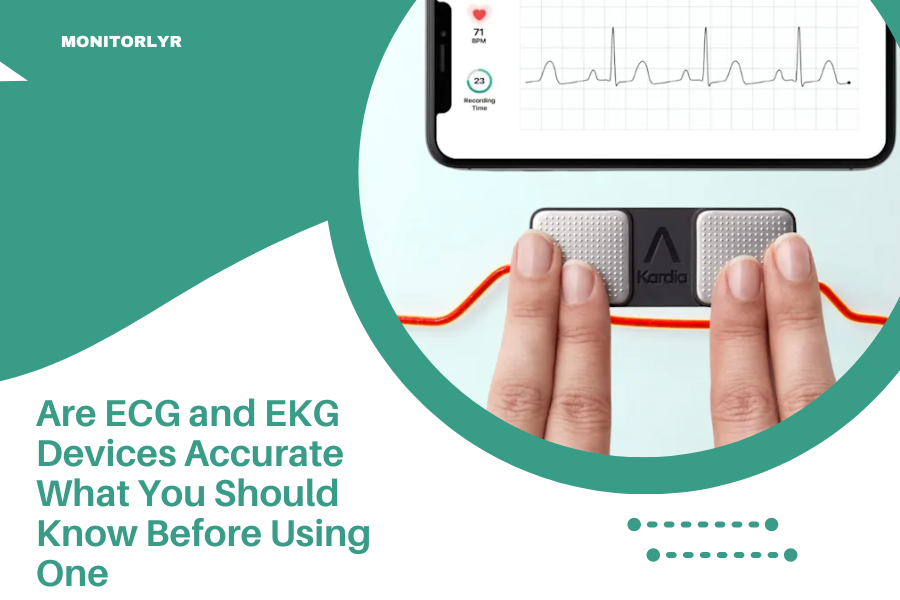
ECG and EKG devices are widely used for at home heart monitoring, but many people wonder how accurate these devices really are. Understanding their accuracy, limitations, and proper use can help you set realistic expectations and use them more effectively.
This article explains how accurate consumer ECG and EKG devices are, what affects their performance, and how to use them responsibly.
Understanding Accuracy in ECG and EKG Devices
Accuracy in ECG and EKG devices refers to how closely the readings match clinical grade electrocardiogram equipment used in medical settings. Consumer devices are designed to detect patterns, trends, and irregular rhythms rather than provide full diagnostic results.
Many modern ECG and EKG devices are clinically validated for detecting specific conditions such as irregular heart rhythms. However, they typically use fewer leads than hospital equipment, which limits the amount of detail they can capture.
Factors That Affect Accuracy
Several factors influence how accurate ECG and EKG devices are in everyday use.
Sensor Placement
Correct placement of electrodes or contact points is critical. Improper hand positioning, loose contact, or incorrect placement can lead to distorted or incomplete readings.
Movement During Measurement
Movement can interfere with electrical signal detection. For best results, users should remain still and relaxed while taking a reading.
Skin Condition and Contact Quality
Dry skin, sweat, or lotions can reduce signal quality. Clean, dry skin improves electrode contact and overall accuracy.
Device Quality and Calibration
Accuracy varies between devices depending on sensor quality, software algorithms, and calibration standards. Devices from reputable manufacturers with regulatory clearance tend to perform more reliably.
Heart Rhythm Complexity
Simple rhythms are easier to detect accurately. Complex or intermittent irregularities may be harder for consumer devices to capture consistently.
Single Lead vs Multi Lead Devices
Most home ECG and EKG devices use single lead measurements. These are effective for detecting basic rhythm irregularities but do not provide the comprehensive view of multi lead clinical ECG systems.
Multi lead consumer devices offer more detailed data but are usually larger, more expensive, and require more setup. The choice depends on how much detail is needed for monitoring purposes.
What ECG and EKG Devices Can Detect
Consumer ECG and EKG devices are commonly used to detect:
• Heart rate and rhythm patterns • Irregular rhythms such as atrial fibrillation alerts • Trends over time rather than isolated readings
They are not designed to diagnose heart attacks, structural heart problems, or all types of arrhythmias.
Common Misconceptions About Accuracy
One common misconception is that ECG and EKG devices provide medical diagnoses. In reality, they offer screening level information that can support discussions with healthcare professionals.
Another misconception is that a normal reading guarantees heart health. Normal results do not rule out all heart conditions, especially those that do not affect rhythm.
How to Improve Accuracy at Home
Users can improve accuracy by following best practices:
• Read and follow the manufacturer instructions carefully • Take readings while seated and relaxed • Avoid talking or moving during measurement • Take multiple readings at different times • Keep the device clean and properly maintained
Consistency in how and when readings are taken helps improve the reliability of long term tracking.
When to Talk to a Healthcare Professional
If a device shows repeated irregular readings or if symptoms such as chest discomfort, dizziness, or shortness of breath occur, users should consult a qualified healthcare professional.
ECG and EKG devices should be viewed as tools for awareness and monitoring, not replacements for medical evaluation.
Final Thoughts
ECG and EKG devices can be accurate within their intended use when used correctly. They are valuable for tracking heart rhythm trends and identifying potential irregularities early.
Understanding their limitations and using them responsibly helps ensure that these devices support heart health awareness without creating false reassurance or unnecessary concern.
