Why Athletes Need Regular EKG Monitoring
Athletes need regular EKG monitoring because intense training can reveal hidden heart conditions like hypertrophic cardiomyopathy and arrhythmogenic right ventricular dysplasia that standard checkups often miss.
Regular EKG screening helps detect dangerous heart rhythm problems early, preventing sudden cardiac events that claim the lives of young athletes each year.
Your heart works harder as an athlete than most people realize. While you push your body to its limits, your heart adapts in ways that can sometimes mask serious problems. That’s where EKG monitoring becomes your safety net.
Think of your heart like a high-performance race car engine. The harder you push it, the more you need to monitor every detail. Regular EKG tests act like diagnostic tools that catch problems before they become disasters.
What Makes Athletic Hearts Different
Your athletic heart looks different from a regular person’s heart on an EKG. This happens because consistent training creates specific changes in heart structure and function.
Athletes often develop what doctors call “athletic heart syndrome.” Your heart muscle gets thicker, your resting heart rate drops, and your heart chambers might enlarge slightly. These changes help you perform better but can also hide dangerous conditions.
Normal Athletic Heart Changes
When you train regularly, your heart adapts by becoming more efficient. Your resting heart rate might drop to 40-60 beats per minute compared to the average 60-80 beats per minute.
Your left ventricle often gets slightly larger to pump more blood with each beat. The heart muscle itself becomes thicker, which shows up clearly on EKG readings.
When Heart Changes Become Dangerous
Some heart changes cross the line from helpful adaptations to serious health risks. Hypertrophic cardiomyopathy causes excessive heart muscle thickening that can block blood flow.
Long QT syndrome affects your heart’s electrical system, causing dangerous irregular rhythms during intense exercise. These conditions often show no symptoms until something goes wrong.
Hidden Heart Conditions in Athletes
Research shows that sudden cardiac death affects about 1 in 40,000 to 1 in 80,000 young athletes each year (American Heart Association). Many of these deaths happen to athletes who seemed perfectly healthy.
The scariest part? Most dangerous heart conditions cause no symptoms during regular daily activities. They only show up during intense exercise when your heart rate spikes.
Hypertrophic Cardiomyopathy
This genetic condition causes abnormal thickening of the heart muscle. It’s the leading cause of sudden cardiac death in young athletes under 35.
You might feel completely normal during regular activities. But when you push hard during competition, the thickened muscle can block blood flow and cause dangerous rhythms.
Arrhythmogenic Right Ventricular Dysplasia
ARVD replaces normal heart muscle with scar tissue and fat. This creates electrical problems that can trigger life-threatening arrhythmias during exercise.
Early signs include heart palpitations, dizziness, or fainting during workouts. But many athletes dismiss these symptoms as normal training fatigue.
Long QT Syndrome
This electrical disorder affects how your heart recharges between beats. Exercise, especially swimming, can trigger dangerous irregular rhythms.
You might experience fainting spells, seizures, or even cardiac arrest during intense training sessions or competitions.
Why Standard Physical Exams Miss Heart Problems
Your typical sports physical includes basic heart listening with a stethoscope. But this method catches less than 10% of serious heart conditions in athletes.
Heart murmurs and irregular rhythms often sound normal when you’re resting. The real problems only show up when your heart rate reaches 150-200 beats per minute during intense exercise.
Limitations of Basic Heart Screening
Doctors can miss structural heart problems during routine exams because they only listen to your heart at rest. Many dangerous conditions only cause problems during peak exertion.
Family history questions help, but genetic conditions sometimes skip generations or show up for the first time in young athletes.
How EKG Screening Fills the Gap
EKG tests record your heart’s electrical activity and can spot abnormal patterns that indicate hidden conditions. Even at rest, these tests reveal electrical problems that could become dangerous during exercise.
Research from Italy showed that adding EKG screening to standard physicals reduced sudden cardiac death in young athletes by 89% over 26 years (New England Journal of Medicine).
Benefits of Regular EKG Monitoring for Athletes
Regular EKG monitoring gives you a detailed picture of your heart’s health over time. Changes in your EKG patterns can reveal developing problems before they become dangerous.
Early detection means you can work with cardiologists to manage conditions safely. Many athletes with heart conditions can continue competing with proper monitoring and treatment.
Early Problem Detection
EKG tests can spot electrical abnormalities years before they cause symptoms. This gives you time to get proper evaluation and treatment from heart specialists.
Trending your EKG results over time shows subtle changes that might indicate developing problems. What looks normal on one test might show concerning patterns when compared to your baseline.
Performance Optimization
Understanding your heart’s electrical patterns helps optimize your training intensity. You’ll know exactly how hard you can push without entering dangerous territory.
Some athletes find that certain EKG patterns correlate with their best performance days. This information helps fine-tune training and competition strategies.
Peace of Mind
Knowing your heart is healthy lets you compete with confidence. You won’t wonder if that chest tightness during sprints means something serious.
Your family and coaches also benefit from knowing you’re monitoring your heart health properly. Everyone can focus on performance instead of worrying about hidden health risks.
When Athletes Should Get EKG Testing
You should get baseline EKG testing before starting any intensive training program. This gives doctors a reference point for future comparisons.
Annual EKG monitoring makes sense for most competitive athletes. High-risk sports or athletes with family histories of heart problems might need more frequent testing.
Pre-Participation Screening
Get your first EKG before joining high school, college, or professional sports teams. Many programs now require this as part of standard medical clearance.
If you’re starting serious training after age 35, EKG screening becomes even more important. Age-related heart changes can interact with training adaptations in unexpected ways.
Annual Monitoring Schedule
Most sports medicine experts recommend yearly EKG tests for competitive athletes. This catches gradual changes that might not show up in day-to-day symptoms.
Endurance athletes might benefit from more frequent monitoring because extreme training volumes can sometimes cause heart muscle changes that cross into dangerous territory.
Symptom-Based Testing
Get immediate EKG testing if you experience chest pain, unusual shortness of breath, dizziness, or fainting during exercise. Don’t wait for your next scheduled screening.
New heart palpitations or skipped beats during training also warrant prompt EKG evaluation, even if they don’t seem serious.
Types of EKG Monitoring for Athletes
Different types of EKG monitoring serve different purposes for athletes. Understanding your options helps you choose the right approach for your situation.
Standard 12-lead EKGs work well for routine screening, while exercise stress tests better simulate competition conditions. Newer portable monitors let you track heart rhythms during actual training sessions.
Standard Resting EKG
This basic test takes about 10 minutes and provides a snapshot of your heart’s electrical activity at rest. It’s perfect for routine screening and comparing changes over time.
Resting EKGs catch most structural heart problems and many electrical abnormalities. They’re affordable and available at most medical facilities.
Exercise Stress Testing
Stress tests record your EKG while you exercise on a treadmill or bike. This better mimics the conditions where heart problems typically show up in athletes.
These tests can reveal electrical problems that only appear during high heart rates. They also help determine safe exercise intensity levels for athletes with known heart conditions.
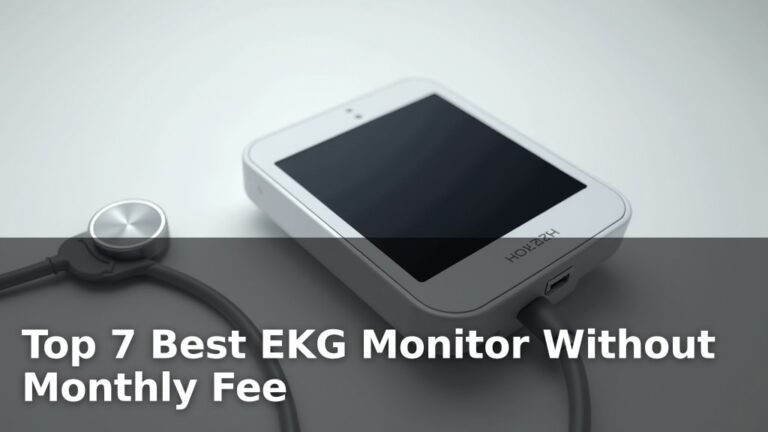
Portable EKG Monitors
Wearable EKG devices let you monitor heart rhythms during actual training sessions. This provides real-world data about how your heart responds to your specific sport and training intensity.
Some devices can detect irregular rhythms in real-time and alert you to stop exercising if dangerous patterns develop.
Understanding Your EKG Results
Learning to read basic EKG patterns helps you understand your heart health better. You don’t need medical training to recognize normal versus concerning results.
Your doctor should explain any abnormal findings and what they mean for your training and competition. Don’t hesitate to ask questions about anything you don’t understand.
Normal Athletic EKG Patterns
Athletic hearts often show slower heart rates, larger QRS complexes, and early repolarization patterns. These changes reflect your heart’s adaptation to training.
What looks abnormal in a sedentary person might be completely normal for a trained athlete. This is why you need doctors familiar with sports cardiology to interpret your results.
Red Flag EKG Findings
Certain EKG patterns always need further evaluation in athletes. These include T-wave inversions, pathological Q waves, and prolonged QT intervals.
If your EKG shows any of these patterns, expect additional testing like echocardiograms or cardiac MRI to rule out structural heart problems.
Cost and Accessibility of EKG Monitoring
EKG testing costs vary widely depending on your location and insurance coverage. Basic screening EKGs typically range from $50-200 without insurance.
Many sports medicine clinics offer athlete-specific EKG packages that include proper interpretation by cardiologists familiar with athletic heart adaptations.
Insurance Coverage Options
Some insurance plans cover EKG screening as preventive care, especially if you have family history of heart disease. Check with your provider about coverage for sports physicals.
High school and college athletic programs increasingly include EKG screening in their medical requirements, which can reduce individual costs.
Portable EKG Device Options
Consumer EKG devices range from $100-500 and can provide ongoing monitoring between professional screenings. Popular options include the Apple Watch ECG and KardiaMobile devices.
While these devices can’t replace professional medical screening, they offer valuable data about your heart rhythms during training.
Conclusion
Regular EKG monitoring protects athletes from hidden heart conditions that standard physicals often miss. Your heart works harder than most people’s, and that extra stress can reveal dangerous problems that only show up during intense exercise.
The small investment in regular EKG testing provides huge peace of mind and could literally save your life. Don’t wait for symptoms to appear – many serious heart conditions in athletes cause no warning signs until something catastrophic happens.
Start with a baseline EKG before intensive training, then follow up annually or whenever you experience concerning symptoms. Your heart powers everything you do as an athlete, so give it the monitoring and care it deserves.
How often should competitive athletes get EKG testing?
Most sports medicine experts recommend annual EKG testing for competitive athletes, with more frequent monitoring for those in high-risk sports or with family histories of heart disease. Endurance athletes may benefit from testing every 6-12 months due to the extreme training volumes.
Can athletes continue competing if their EKG shows abnormalities?
Many athletes with EKG abnormalities can continue competing safely with proper medical management and monitoring. The key is working with sports cardiologists who understand the difference between normal athletic heart adaptations and dangerous conditions requiring activity restrictions.
Are portable EKG devices accurate enough for athlete monitoring?
Consumer EKG devices like Apple Watch and KardiaMobile provide useful rhythm monitoring between professional screenings, but they cannot replace comprehensive 12-lead EKGs performed by medical professionals. They’re best used as supplementary monitoring tools.
What symptoms should prompt immediate EKG testing in athletes?
Athletes should seek immediate EKG evaluation for chest pain, unusual shortness of breath, dizziness, fainting episodes, or new heart palpitations during exercise. These symptoms could indicate serious underlying heart conditions that need urgent medical attention.
Do different sports require different EKG monitoring approaches?
Endurance sports like marathon running and cycling may require more frequent monitoring due to extreme training volumes, while contact sports focus more on detecting structural abnormalities that could worsen with physical impact. Swimming requires special attention to Long QT syndrome, which commonly triggers events in pools.