How EKG Detects Dangerous Electrolyte Shifts
EKG machines detect dangerous electrolyte shifts by measuring changes in your heart’s electrical patterns, revealing imbalances that could be life-threatening.
Potassium, sodium, calcium, and magnesium imbalances show up as distinctive wave patterns on your EKG, helping doctors catch problems before they cause serious heart rhythm issues.
Your heart beats because of electrical signals. These signals depend on minerals called electrolytes to work properly. When electrolytes get out of balance, your EKG shows warning signs that trained eyes can spot.
Think of it like this: your heart is a house, and electrolytes are the electricity running through it. When the power supply gets wonky, the lights flicker in predictable ways.
What Are Electrolyte Shifts and Why They Matter
Electrolyte shifts happen when the levels of key minerals in your blood change too much, too fast. Your body normally keeps these levels steady, but illness, medications, or dehydration can throw them off.
The four main electrolytes that affect your heart are potassium, sodium, calcium, and magnesium. Each one plays a different role in making your heart beat normally.
When these get imbalanced, your heart can skip beats, race, or even stop. That’s why doctors take electrolyte problems seriously.
Potassium: The Heart’s Main Controller
Potassium controls how fast your heart beats and how hard it squeezes. Too little potassium makes your heart weak and irregular. Too much can make it stop completely.
Research shows that potassium imbalances cause more EKG changes than any other electrolyte (American Heart Association). You’ll see these changes before you feel sick, which makes EKGs so useful.
Low Potassium Signs on EKG
When potassium drops too low, your EKG shows flattened T waves and extra U waves. The ST segment might also dip down, creating a pattern doctors recognize right away.
High Potassium Signs on EKG
High potassium makes T waves tall and pointy, like mountain peaks. In severe cases, the QRS complex gets wider, and P waves disappear entirely.
Sodium: The Volume Regulator
Sodium affects how much fluid stays in your blood vessels. While sodium changes don’t show up as clearly on EKGs as potassium does, they still matter.
Low sodium can make you dizzy and confused. High sodium can raise your blood pressure and strain your heart.
How EKG Technology Spots Electrolyte Problems
Modern EKG machines use computer algorithms to flag abnormal patterns. They compare your heart’s electrical activity to normal ranges and highlight anything that looks off.
The machine measures electrical voltage across 12 different views of your heart. This gives doctors a complete picture of what’s happening.
The 12-Lead System Explained
Each lead looks at your heart from a different angle. It’s like having 12 security cameras watching your heart’s electrical system.
Some leads are better at catching certain electrolyte problems than others. Lead V1 and V2 often show potassium changes first.
Computer Analysis vs Human Reading
Computers are great at spotting obvious patterns, but doctors still need to interpret the results. Electrolyte changes can be subtle, and experience matters.
I found research showing that computer analysis catches about 85% of significant electrolyte imbalances, but human review improves accuracy (Journal of Electrocardiology).
Calcium and Magnesium: The Supporting Players
Calcium and magnesium work together to help your heart muscle contract and relax properly. Problems with these minerals show up differently on EKGs.
Calcium Imbalances on EKG
Low calcium makes the QT interval longer on your EKG. This means it takes your heart longer to reset between beats, which can be dangerous.
High calcium shortens the QT interval. Your heart resets too quickly, which can also cause problems.
Why QT Interval Matters
The QT interval is like your heart’s cooldown period. If it’s too long or too short, you’re at risk for dangerous rhythm problems called arrhythmias.
Magnesium: The Underrated Mineral
Magnesium deficiency is common but hard to spot on EKGs. It often makes other electrolyte problems worse.
Low magnesium can make potassium and calcium imbalances more severe. That’s why doctors often check all electrolytes together.
Common Causes of Dangerous Electrolyte Shifts
Several things can throw your electrolytes out of balance quickly. Knowing these helps you understand when you might be at risk.
Medications That Affect Electrolytes
- Diuretics (water pills) can lower potassium and sodium
- Blood pressure medications may raise potassium
- Some antibiotics can affect magnesium levels
- Heart medications often change multiple electrolytes
Illness and Medical Conditions
Kidney disease, diabetes, and heart failure all mess with electrolyte balance. Vomiting and diarrhea can cause rapid changes that show up on EKGs within hours.
Dehydration is one of the fastest ways to shift electrolytes. Even mild dehydration can cause EKG changes in some people.
Diet and Lifestyle Factors
Extreme diets, excessive sweating, and alcohol use can all affect your electrolytes. Athletes are especially prone to these problems.
From what I read, marathon runners and other endurance athletes often show EKG changes after long events due to electrolyte shifts (Sports Medicine Research).
When EKG Changes Become Emergencies
Some EKG patterns mean you need immediate medical attention. These warning signs can appear quickly when electrolytes shift.
Red Flag Patterns
Wide QRS complexes with high potassium can mean your heart might stop. Extremely long QT intervals with low calcium can trigger deadly arrhythmias.
Missing P waves or very slow heart rates often signal severe electrolyte problems that need emergency treatment.
How Fast Things Can Change
Electrolyte levels can shift in minutes during medical emergencies. That’s why hospitals do EKGs repeatedly when they suspect electrolyte problems.
I came across studies showing that EKG changes often appear before blood test results come back, making them valuable early warning tools (Emergency Medicine Journal).
Treatment and Monitoring
Once doctors spot electrolyte problems on your EKG, they can start treatment right away. The EKG also helps them track how well the treatment is working.
Correcting Electrolyte Imbalances
Mild problems might need just dietary changes or different medications. Severe imbalances often require IV treatments in the hospital.
The goal is to bring levels back to normal gradually. Moving too fast can sometimes cause different problems.
Using EKG to Track Progress
Doctors repeat EKGs as they treat electrolyte problems. They watch for the abnormal patterns to improve, which tells them the treatment is working.
This is much faster than waiting for blood tests, which can take hours to process.
Prevention and Early Detection
The best approach is preventing dangerous electrolyte shifts before they happen. Regular monitoring helps catch problems early.
Who Needs Regular Monitoring
People with heart disease, kidney problems, or diabetes should have regular EKGs and blood tests. Those taking medications that affect electrolytes also need closer watching.
Many experts recommend home EKG devices for high-risk patients, though these can’t replace professional medical care (Mayo Clinic).
Home EKG Devices and Limitations
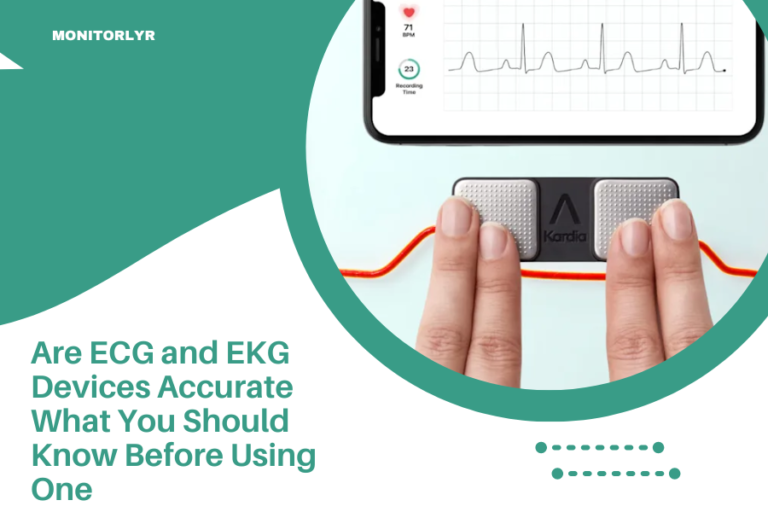
Consumer EKG devices are getting better, but they can’t catch all electrolyte problems. They’re useful for basic rhythm monitoring but not for detailed electrolyte assessment.
Professional 12-lead EKGs in medical settings remain the gold standard for detecting electrolyte shifts.
Conclusion
EKGs are powerful tools for detecting dangerous electrolyte shifts before they cause serious problems. By recognizing specific patterns in your heart’s electrical activity, doctors can spot imbalances in potassium, sodium, calcium, and magnesium that could threaten your life. The key is understanding that your heart’s electrical system depends on these minerals to function properly, and when they get out of balance, your EKG tells the story. Whether you’re at high risk due to medical conditions or medications, or you’re simply curious about how your body works, knowing how EKGs detect electrolyte problems can help you appreciate this life-saving technology. Remember that while home devices are improving, professional medical evaluation remains essential for accurate diagnosis and treatment of electrolyte imbalances.
Can home EKG devices detect electrolyte imbalances?
Home EKG devices can spot some obvious rhythm changes but can’t reliably detect subtle electrolyte shifts. They typically use fewer leads than professional machines, missing important details that doctors need to diagnose electrolyte problems accurately.
How quickly do electrolyte changes show up on an EKG?
EKG changes from electrolyte shifts can appear within minutes to hours, depending on how severe the imbalance is. This makes EKGs faster than blood tests for spotting these problems, as lab results often take several hours to process.
What should I do if I suspect I have an electrolyte imbalance?
Seek medical attention promptly, especially if you have symptoms like irregular heartbeat, muscle weakness, or confusion. Don’t try to self-treat with supplements, as this can sometimes make imbalances worse or create new problems.
Are certain people more likely to develop dangerous electrolyte shifts?
Yes, people with kidney disease, heart failure, diabetes, or those taking diuretics face higher risks. Athletes who sweat heavily, elderly individuals, and anyone with chronic illnesses that affect fluid balance should also be more cautious about electrolyte problems.
Can drinking sports drinks prevent electrolyte imbalances?
Sports drinks can help during intense exercise or hot weather, but they’re not necessary for most people and won’t prevent medication-related or disease-related electrolyte problems. Regular balanced meals and adequate water intake work better for everyday electrolyte maintenance.