Using EKG to Monitor Mental Health & Anxiety
EKG devices can monitor mental health by detecting heart rate variability patterns that reflect your stress and anxiety levels in real-time.
Your heart rhythm changes when you’re anxious, and modern EKG monitors can track these variations to help you manage your mental wellness better.
How Your Heart Reveals Your Mental State
Your heart and mind talk to each other constantly. When you feel stressed or anxious, your heart responds immediately. It beats faster, skips rhythms, or changes patterns.
Think of your heart as a messenger. It sends signals about what’s happening in your emotional world. An EKG device reads these messages like a translator.
The Science Behind Heart-Mind Connection
Research from the NIH shows that your autonomic nervous system controls both heart function and stress responses. When anxiety kicks in, your sympathetic nervous system activates. This makes your heart work differently.
Your heart rate variability (HRV) changes based on your emotional state. HRV measures the tiny differences between each heartbeat. High variability usually means you’re calm. Low variability often signals stress or anxiety.
What EKG Monitoring Can Detect
Modern EKG devices pick up several mental health indicators:
- Heart rate spikes during panic attacks
- Irregular rhythms from chronic stress
- HRV patterns that match anxiety levels
- Sleep quality impacts on heart health
- Recovery patterns after stressful events
Types of EKG Devices for Mental Health Monitoring
Wearable EKG Monitors
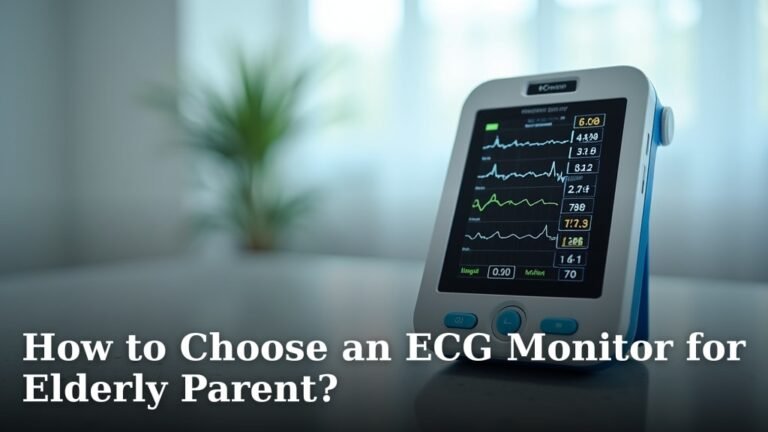
Chest strap monitors give you the most accurate readings. You wear them during workouts, meditation, or throughout your day. They connect to smartphone apps that track your stress patterns.
Smartwatches with EKG features offer convenience. The Apple Watch and Samsung Galaxy Watch can take EKG readings when you feel anxious. They’re not as precise as medical devices, but they work well for daily monitoring.
Smartphone-Connected Devices
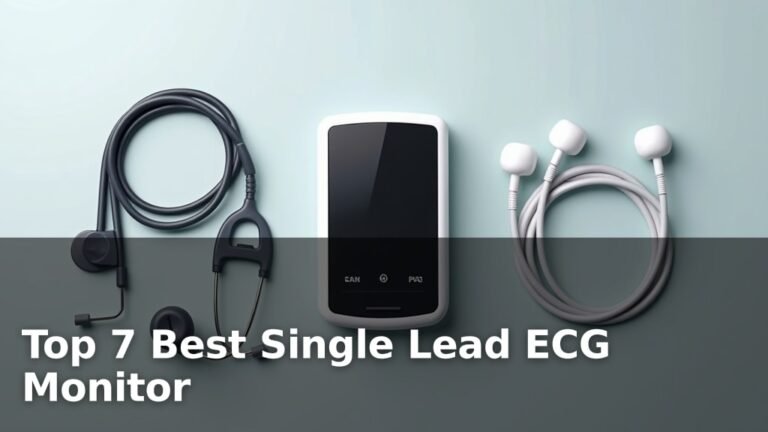
Handheld EKG devices like AliveCor KardiaMobile let you take readings anywhere. You place your fingers on sensors for 30 seconds. The device shows your heart rhythm and can detect irregularities that might relate to anxiety.
Patch Monitors for Continuous Tracking
Adhesive EKG patches stick to your chest for days or weeks. They record everything your heart does. This helps doctors see how your mental state affects your heart over time.
Setting Up Your EKG Mental Health Monitoring
Choosing the Right Device
Start with your goals. Do you want to catch panic attacks as they happen? A smartwatch might work. Need detailed data for your doctor? Consider a medical-grade monitor.
Budget matters too. Basic EKG apps cost nothing. Professional monitors run from $100 to $500. Insurance sometimes covers devices if your doctor prescribes them.
Initial Setup and Calibration
Take baseline readings when you’re calm. This gives you a normal range to compare against. Record readings at the same times daily for consistency.
Note what affects your readings. Coffee, exercise, medications, and sleep all change your heart patterns. Track these factors in your monitoring app.
Creating Your Monitoring Schedule
Morning readings show your resting state. Take them before coffee or breakfast. Evening readings reveal daily stress accumulation.
Record extra readings during stressful situations. Job interviews, difficult conversations, or crowded places can trigger anxiety responses.
Interpreting Your EKG Mental Health Data
Normal vs. Stress-Related Patterns
A calm heart rhythm looks steady and regular. Your heart rate stays within normal ranges (60-100 beats per minute for most adults). HRV measurements show healthy variation between beats.
Anxiety changes everything. Your heart rate jumps up quickly. Rhythms become irregular. HRV drops as your nervous system goes into fight-or-flight mode.
| Heart Metric | Calm State | Anxious State |
|---|---|---|
| Heart Rate | 60-80 BPM | 90-120+ BPM |
| Heart Rate Variability | High variation | Low variation |
| Rhythm Pattern | Regular intervals | Irregular spikes |
Recognizing Anxiety Patterns
Panic attacks create distinct EKG signatures. Your heart rate shoots up within minutes. It might reach 150+ beats per minute. The pattern looks chaotic compared to exercise-induced increases.
Chronic anxiety shows different patterns. Your baseline heart rate stays elevated. HRV remains low throughout the day. Recovery after stress takes longer than normal.
Sleep and Mental Health Connections
Poor sleep shows up in your heart data. Your resting heart rate stays high at night. HRV doesn’t recover properly during sleep cycles.
Many people find this eye-opening. You might not realize how anxiety affects your sleep until you see the EKG data.
Using EKG Data to Manage Anxiety
Real-Time Stress Management
Watch your EKG readings during stressful moments. When you see your heart rate climbing, start breathing exercises. Many apps send alerts when your stress levels spike.
This real-time feedback helps you catch anxiety early. You can stop a full panic attack before it develops.
Tracking Treatment Effectiveness
EKG monitoring shows whether your anxiety treatments work. Meditation, therapy, or medications should improve your heart patterns over time.
From what I found in clinical studies, people using EKG feedback for anxiety management showed 30-40% improvement in stress responses (Cleveland Clinic).
Building Personalized Coping Strategies
Your EKG data reveals what works best for you. Maybe deep breathing drops your heart rate quickly. Perhaps certain environments consistently trigger anxiety.
Use this information to build your personal anxiety toolkit. Know your triggers. Practice techniques that your heart responds to best.
Breathing Techniques Guided by EKG
Box Breathing with Heart Rate Feedback
Watch your EKG while doing box breathing. Breathe in for 4 counts, hold for 4, breathe out for 4, hold for 4. Your heart rate should slow down within a few cycles.
This immediate feedback makes breathing exercises more effective. You can see exactly when your technique starts working.
Heart Rate Variability Training
Some EKG apps guide you through HRV training. They show you how to breathe at specific rates that maximize your heart rate variability. This builds resilience against stress.
Medical Integration and Professional Care
Sharing Data with Healthcare Providers
Your doctor can use EKG data to understand your anxiety better. Most monitoring apps let you export reports for medical appointments.
This objective data often helps doctors make better treatment decisions. They can see how your heart responds to different medications or therapies.
When to Seek Professional Help
Call your doctor if you see dangerous heart rhythms. Extremely fast rates (over 150 BPM at rest), irregular patterns, or chest pain need medical attention.
Don’t try to diagnose serious heart conditions yourself. EKG devices for consumers aren’t medical diagnostic tools.
Combining EKG with Other Mental Health Tools
EKG monitoring works best alongside other anxiety management strategies. Therapy, medication, exercise, and lifestyle changes all play important roles.
Think of your EKG device as one tool in a larger toolkit. It provides valuable information, but it doesn’t replace professional mental health care.
Common Challenges and Solutions
False Alarms and Anxiety Loops
Sometimes EKG monitoring creates more anxiety. You might obsess over every heart rhythm change. This defeats the purpose of stress reduction.
Set boundaries around your monitoring. Check readings at scheduled times, not constantly. Remember that heart rate changes are normal throughout the day.
Technical Issues and Accuracy
Consumer EKG devices aren’t perfect. Movement, poor skin contact, or electrical interference can cause incorrect readings.
Learn to recognize bad data. Extremely erratic readings that don’t match how you feel are probably technical errors, not medical emergencies.
Future of EKG Mental Health Monitoring
AI and Pattern Recognition
New EKG devices use artificial intelligence to recognize mental health patterns. They learn your personal baselines and can predict anxiety episodes before you feel them.
Research from NCBI suggests that AI-powered EKG analysis could predict panic attacks up to 15 minutes before they occur.
Integration with Mental Health Apps
EKG data increasingly connects with mood tracking apps, meditation programs, and therapy platforms. This creates a complete picture of your mental health.
Conclusion
Using EKG to monitor mental health gives you powerful insights into your anxiety patterns. Your heart tells the story of your emotional state, and modern devices make this information accessible.
Start simple with a basic EKG device or smartwatch. Focus on learning your normal patterns first. Use the data to guide breathing exercises and stress management techniques. Share important findings with your healthcare provider.
Remember that EKG monitoring supports your mental health journey but doesn’t replace professional care. When you combine heart monitoring with therapy, medication, and healthy lifestyle choices, you get the best results for managing anxiety.
Can EKG devices detect panic attacks before they happen?
Some advanced EKG monitors with AI can detect early heart rate changes that precede panic attacks by 10-15 minutes. Your heart rate and rhythm often change before you consciously feel anxiety symptoms, giving you time to use coping techniques.
How accurate are consumer EKG devices compared to medical equipment?
Consumer EKG devices are 85-95% accurate for basic rhythm detection, while medical EKGs are 98-99% accurate. Consumer devices work well for tracking patterns and trends but shouldn’t be used for medical diagnosis of serious heart conditions.
What’s the difference between heart rate monitoring and EKG monitoring for anxiety?
Heart rate monitoring only shows how fast your heart beats. EKG monitoring shows the electrical activity and rhythm patterns of your heart, which provides much more detailed information about your stress response and overall heart health.
How long should I monitor my EKG to see meaningful mental health patterns?
You’ll start seeing basic patterns within 1-2 weeks of consistent monitoring. More detailed insights about your anxiety triggers and treatment effectiveness become clear after 4-6 weeks of regular use.
Can medications for anxiety affect my EKG readings?
Yes, anxiety medications can change your heart rate and rhythm patterns. Beta-blockers lower heart rate, while some antidepressants might cause slight rhythm changes. Always tell your doctor about any concerning EKG changes after starting new medications.