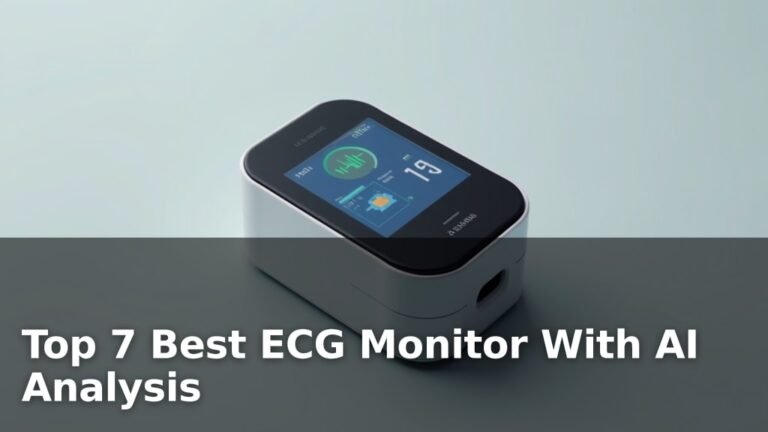
Why Doctors Now Recommend Home Heart Monitors
Doctors now recommend home heart monitors because they provide 24/7 cardiac surveillance that catches dangerous heart rhythms missed during brief office visits.
Home ECG devices let you record symptoms as they happen, giving your doctor real data instead of guesswork about your heart health.
The Big Shift in Heart Care
Your doctor’s office visits last 15 minutes. Your heart works 24/7. See the problem?
That’s why cardiologists are changing how they monitor patients. Instead of waiting for your annual checkup, they want you tracking your heart at home.
I found that many heart problems hide between appointments. Irregular heartbeats come and go. Chest pain happens at random times. By the time you reach the doctor’s office, your heart might be beating normally again.
What Changed Doctors’ Minds
Home monitoring technology got really good, really fast. The devices are now medical-grade accurate. You don’t need nursing school to use them.
Plus, insurance companies started covering home monitors. That made them accessible to regular people, not just tech enthusiasts.
Why Your Heart Needs Constant Watching
Think of your heart like a car engine. You wouldn’t wait for it to break down completely before checking it, right?
Your heart gives early warnings. But those warnings don’t follow your doctor’s schedule.
The Timing Problem
Heart symptoms are sneaky. They show up at 2 AM. They happen during stressful work meetings. They appear while you’re exercising.
When you finally get to your appointment, your doctor asks: “Tell me about your symptoms.” But your memory isn’t a medical device. You might forget details or mix up timing.
What Doctors Actually Need
Your cardiologist needs data, not stories. They want to see what your heart rhythm looked like when you felt dizzy. They need proof of what happened during your chest pain episode.
Home monitors give them that proof. Real ECG readings. Exact timestamps. Clear patterns they can analyze.
Who Benefits Most from Home Heart Monitoring
Not everyone needs a home ECG device. But certain people get huge benefits from having one.
People with Known Heart Conditions
If you already have atrial fibrillation, heart disease, or take heart medications, your doctor probably wants more frequent monitoring.
Traditional monitoring meant more office visits. Now you can check your heart daily and send results digitally.
Patients with Confusing Symptoms
Do you get heart palpitations that disappear before appointments? Chest discomfort that comes and goes? These mystery symptoms frustrate both you and your doctor.
Home monitoring solves this puzzle. You can record an ECG the moment symptoms start.
High-Risk Individuals
Some people have higher chances of developing heart problems. Family history of heart disease. High blood pressure. Diabetes. Age over 65.
Research from the American Heart Association shows that early detection prevents many heart emergencies. Home monitoring catches problems before they become crises.
Types of Home Heart Monitors Doctors Recommend
You have several options for home heart monitoring. Each type serves different needs.
Single-Lead ECG Devices
These are the most popular choice. You place your fingers on the device for 30 seconds. It records your heart rhythm and stores the data.
Many doctors prefer these because they’re simple and accurate. Patients actually use them consistently.
Chest Strap Monitors
These devices stick to your chest and monitor continuously. They’re good for people who need longer-term data or have frequent symptoms.
The downside? Some people find them uncomfortable for daily wear.
Smartwatch ECG Features
Apple Watch, Samsung Galaxy Watch, and other smartwatches now include ECG capability. They’re convenient because you’re already wearing them.
I researched their accuracy compared to medical devices. The results are pretty good for basic rhythm monitoring, though dedicated medical devices still provide more detailed data.
How Home Monitoring Changes Your Care
When you start home heart monitoring, your relationship with your doctor changes. You become partners in managing your health.
Faster Problem Detection
Instead of waiting months between checkups, you catch issues within days or weeks. This speed can prevent heart attacks, strokes, and other serious complications.
Studies from the Mayo Clinic show that early detection of atrial fibrillation reduces stroke risk by up to 70% when treated promptly.
Better Treatment Decisions
Your doctor makes treatment choices based on real data, not just symptoms you remember. They can see if your medications are working. They know if your heart responds well to lifestyle changes.
Reduced Emergency Room Visits
Many people rush to the ER when they feel heart symptoms. With home monitoring, you and your doctor can often determine if symptoms are serious remotely.
This saves you time, money, and stress. It also keeps emergency rooms available for true emergencies.
What to Expect from Your Doctor
If your doctor recommends home heart monitoring, here’s what typically happens next.
Device Selection and Training
Your doctor or their staff will help you choose the right device. They’ll show you how to use it properly and how often to take readings.
Most people learn the basics in about 10 minutes. The devices are designed for regular people, not medical professionals.
Data Sharing Process
You’ll learn how to share your ECG readings with your medical team. Some devices sync automatically with your doctor’s system. Others require you to email or upload readings.
Setting Up Communication
Your doctor will explain when to contact them immediately versus when readings can wait for your next appointment.
Usually, you’ll send routine readings weekly or monthly. But you’ll contact them right away if you experience serious symptoms or concerning ECG patterns.
Cost and Insurance Coverage
Home heart monitors range from $99 to $400 for most consumer devices. Professional-grade monitors prescribed by doctors can cost more, but insurance often covers them.
Getting Insurance to Pay
If your doctor prescribes a home heart monitor for a medical condition, insurance usually covers it. You’ll need documentation of your heart condition and a prescription.
Medicare and most private insurance plans now cover FDA-approved home ECG devices when medically necessary.
Comparing Costs
| Monitor Type | Price Range | Insurance Coverage |
|---|---|---|
| Consumer ECG Device | $99-$199 | Sometimes |
| Medical-Grade Monitor | $200-$400 | Usually |
| Smartwatch with ECG | $250-$500 | Rarely |
Making the Most of Your Home Monitor
Having a device is just the start. You need to use it effectively to help your doctor help you.
Creating a Recording Schedule
Take readings at consistent times. Most doctors want daily readings at the same time, plus recordings whenever you feel symptoms.
Don’t obsess over your heart rhythm, but don’t forget to use the device either. Find a balance that gives your doctor good data without making you anxious.
When to Take Extra Readings
- During any chest pain or discomfort
- When you feel dizzy or lightheaded
- If you notice irregular heartbeats
- During stressful situations that affect your heart
- Before and after exercise if recommended
Keeping a Symptom Log
Write down what you were doing when you took each reading. Include how you felt, what activities you’d done, and any medications you’d taken.
This context helps your doctor understand patterns and triggers for heart rhythm changes.
Common Concerns About Home Monitoring
Many people worry about using medical devices at home. Let me address the most common concerns I hear about.
Accuracy Questions
FDA-approved home ECG devices are very accurate for detecting common heart rhythm problems. They won’t catch every possible heart issue, but they’re excellent for monitoring the conditions most doctors worry about.
Research from the Cleveland Clinic found that consumer ECG devices correctly identify atrial fibrillation over 95% of the time.
Technology Anxiety
If you’re not comfortable with technology, don’t worry. These devices are designed for simplicity. Most have just one or two buttons.
Your doctor’s office will provide training. Many patients in their 70s and 80s use these devices successfully.
Getting Help When Needed
Device manufacturers offer customer support. Your doctor’s office can also help troubleshoot problems. You’re not on your own with the technology.
The Future of Heart Care at Home
Home heart monitoring is becoming standard care, not just an option for tech-savvy patients.
I found that many medical schools now teach doctors how to use home monitoring data. Insurance companies are expanding coverage. Device makers are improving accuracy and ease of use.
What’s Coming Next
Artificial intelligence is making home monitors smarter. Future devices will spot concerning patterns automatically and alert your doctor before you even notice symptoms.
Integration with other health data is improving too. Your heart monitor will connect with your blood pressure cuff, scale, and activity tracker to give doctors a complete picture of your health.
Conclusion
Doctors recommend home heart monitors because they work. They catch problems early, provide real data for treatment decisions, and give both you and your doctor peace of mind.
If your doctor suggests home heart monitoring, consider it a good thing. It means they’re being proactive about your health. Modern devices are accurate, easy to use, and often covered by insurance.
Your heart doesn’t take breaks, and now your heart care doesn’t have to either. Home monitoring lets you and your doctor work together to keep your heart healthy between office visits.
How accurate are home heart monitors compared to hospital equipment?
FDA-approved home ECG devices achieve over 95% accuracy for detecting common rhythm disorders like atrial fibrillation. While they don’t replace comprehensive hospital testing, they’re reliable enough for daily monitoring and symptom tracking that doctors trust for treatment decisions.
Will using a home heart monitor make me more anxious about my health?
Most patients find home monitoring reduces anxiety because they have concrete data instead of wondering about symptoms. Your doctor will teach you which readings are normal variations versus concerning patterns, helping you avoid unnecessary worry about minor fluctuations.
How often should I share my home heart monitor data with my doctor?
Routine readings typically get shared weekly or monthly depending on your condition, while concerning symptoms or abnormal readings should be reported immediately. Your doctor will give you specific guidelines about which patterns require urgent communication versus routine follow-up.
Can home heart monitors detect heart attacks?
Home ECG devices primarily detect rhythm abnormalities, not heart attacks, which involve blocked blood vessels. If you experience chest pain, shortness of breath, or other heart attack symptoms, call emergency services immediately rather than relying solely on your home monitor reading.
What happens if my home heart monitor shows an abnormal reading?
First, stay calm and retake the reading to confirm accuracy. Contact your doctor immediately if you’re experiencing symptoms or if the abnormal pattern persists. Your medical team will review the data and determine whether you need immediate evaluation, medication adjustment, or routine follow-up care.