Unclassified Heart Rhythm? What Your App Means
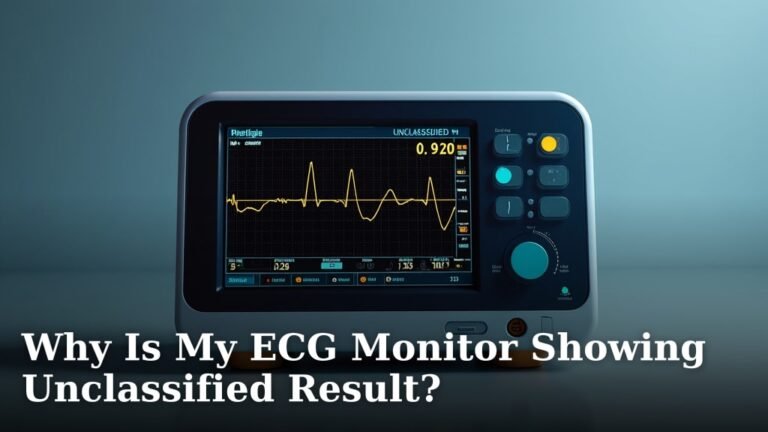
An “unclassified heart rhythm” on your ECG app means the device detected something unusual but couldn’t identify the specific type of heart rhythm abnormality.
This reading typically happens when your heart rhythm doesn’t match the app’s database of known patterns, requiring medical review for proper diagnosis.
What Does Unclassified Heart Rhythm Actually Mean?
Think of your ECG app like a translator trying to read a foreign language. Sometimes it recognizes clear words like “normal” or “atrial fibrillation.” But other times? It sees something that looks like writing but can’t make sense of it.
That’s your unclassified reading. Your app detected electrical activity that seems off but doesn’t fit into its programmed categories. The device is basically saying, “I see something here, but I’m not sure what it is.”
Why Apps Give Unclassified Readings
Consumer ECG devices have limited programming. They can spot maybe 5-10 common rhythm patterns. Real ECG machines in hospitals? They help doctors identify hundreds of different patterns.
Your app works with shorter recordings too. Most consumer devices record for 30 seconds. That’s often not enough time to catch the full picture of what’s happening.
Common Causes of Unclassified Results
Movement and Poor Contact
Did you move during the recording? Even tiny movements can create electrical noise. Your app might see this interference and flag it as “unclassified” because it can’t tell what’s your heart and what’s just static.
Poor finger contact causes similar problems. If your skin is too dry or wet, the sensors can’t get a clean reading.
Unusual but Harmless Rhythms
Your heart might have been doing something perfectly normal but uncommon. Maybe you had a few extra beats (premature contractions) during the recording. These are usually harmless but can confuse consumer devices.
Premature Beats
These feel like skipped heartbeats or flutters. They happen to almost everyone sometimes. Your app sees the irregular timing and thinks “this doesn’t look normal” but can’t classify exactly what it is.
Sinus Arrhythmia
This is when your heart rate naturally speeds up and slows down with breathing. It’s completely normal, especially in younger people. But apps sometimes flag it as unusual.
Technical Issues
Sometimes the problem isn’t your heart at all. Low battery, software glitches, or electromagnetic interference from other devices can create confusing readings.
When Should You Worry About Unclassified Readings?
Red Flag Symptoms
Take unclassified readings seriously if you also have:
- Chest pain or pressure
- Shortness of breath
- Dizziness or fainting
- Rapid or very slow heart rate
- Nausea or sweating
These symptoms combined with unusual ECG readings need immediate medical attention. Don’t wait to call your doctor or go to urgent care.
Pattern Recognition
One unclassified reading? Probably not a big deal. But if you keep getting them, especially at similar times or during certain activities, that’s worth investigating.
Keep a simple log. Note when the readings happen, what you were doing, and how you felt. This information helps doctors figure out what’s going on.
What to Do After Getting an Unclassified Reading
First Steps
Don’t panic. Take a few deep breaths and assess how you feel right now. Are you having any symptoms? If not, you have time to think through your next steps calmly.
Try taking another reading in a few minutes. Make sure you’re sitting still, your hands are clean and dry, and you’re not near other electronic devices.
Improve Your Recording Technique
Sit in a comfortable chair with your arms relaxed. Clean your fingers with a dry cloth. Hold the device steady and don’t talk or move during the recording.
If the second reading comes back normal, the first one was likely just technical interference.
When to Contact Your Doctor
Call your doctor if you get multiple unclassified readings, especially with symptoms. Most doctors want to see these readings, so save them or email them from your app.
Your doctor might want you to wear a longer-term monitor. These devices record for 24-48 hours and catch rhythms that brief consumer recordings miss.
Understanding Different Types of Unclassified Readings
App-Specific Variations
Different apps use different terms for unclear readings. Some say “unclassified.” Others might say “unreadable,” “poor recording,” or “inconclusive.”
From what I found in research, these all basically mean the same thing – the app detected something but can’t identify what it is (FDA guidance documents).
Apple Watch Classifications
Apple Watch might show “inconclusive” instead of “unclassified.” This happens when the recording quality is too poor to analyze or when it detects something outside its programmed patterns.
KardiaMobile Readings
KardiaMobile devices might show “unclassified” or “other rhythm.” Both suggest the device found something that doesn’t fit normal sinus rhythm or atrial fibrillation patterns.
How Accurate Are Consumer ECG Devices?
Consumer ECG devices are pretty good at what they’re designed for – detecting normal rhythms and atrial fibrillation. Research shows they catch AFib correctly about 85-95% of the time (American Heart Association studies).
But they’re not great at identifying other rhythm problems. That’s why unclassified readings exist – the device knows something is different but lacks the sophistication to say what.
Limitations You Should Know
These devices only record from one or two angles of your heart. Hospital ECGs use 12 different angles. It’s like trying to identify a building from one photo versus seeing it from all sides.
| Consumer Device | Hospital ECG |
|---|---|
| 1-2 leads | 12 leads |
| 30-second recording | Varies, often longer |
| Basic rhythm analysis | Detailed interpretation |
| Limited pattern recognition | Comprehensive analysis |
Tips for Better ECG Readings
Timing Matters
Take readings when you’re relaxed and sitting down. Avoid recordings right after exercise, drinking caffeine, or when you’re stressed. These can all affect your heart rhythm naturally.
Environmental Factors
Move away from WiFi routers, microwaves, and other electronics. These can create interference that shows up as unusual patterns on your ECG.
Some people find they get cleaner readings in certain rooms of their house. Experiment to find your “quiet zone.”
Skin Preparation
Clean, dry skin makes the biggest difference. If your hands are sweaty, wash and dry them completely. If they’re too dry, a tiny bit of moisture can help – but not too much.
What Doctors Do With Unclassified Readings
When you bring unclassified readings to your doctor, they’ll look at the raw ECG tracing, not just the app’s interpretation. Doctors can often identify patterns that apps miss.
They might order additional tests like a Holter monitor or event recorder. These devices record for much longer periods and catch intermittent rhythm problems.
Follow-up Testing Options
Your doctor might suggest an echocardiogram to check your heart structure or stress testing to see how your heart responds to exercise. These tests help determine if rhythm abnormalities are related to other heart problems.
Living With Occasional Unclassified Readings
Many people get occasional unclassified readings without any underlying heart problems. Once your doctor has evaluated you and ruled out serious issues, try not to let these readings create anxiety.
Keep using your device if it helps you stay aware of your heart health. But don’t let it become a source of constant worry. These devices are tools to help you, not stress you out.
Building Confidence in Your Readings
Learn what your normal readings look like. Most people have pretty consistent patterns when they’re healthy and relaxed. Knowing your baseline helps you recognize when something is truly different.
Conclusion
Getting an “unclassified heart rhythm” reading can feel scary, but it’s often not a medical emergency. These readings usually happen because consumer ECG devices have limited ability to interpret complex heart rhythms, or because of technical issues with the recording.
Pay attention to how you feel when you get these readings. If you have symptoms like chest pain, shortness of breath, or dizziness, contact your doctor right away. If you feel fine, try improving your recording technique and see if the problem continues.
Remember that consumer ECG devices are screening tools, not diagnostic equipment. They’re great for monitoring trends and catching obvious problems, but they can’t replace professional medical evaluation. When in doubt, talk to your healthcare provider – they can help interpret your readings and determine if any follow-up testing is needed.
What does it mean when my ECG app says “unclassified rhythm” multiple times?
Multiple unclassified readings could indicate a consistent rhythm abnormality that your app can’t identify, or recurring technical issues with your recording technique. Try improving your recording conditions first, but if it continues, contact your doctor for evaluation.
Can anxiety cause unclassified heart rhythm readings?
Yes, anxiety can cause heart rhythm changes like extra beats or increased heart rate variability that might confuse consumer ECG devices. Anxiety can also cause tremor or movement that interferes with recording quality, leading to unclassified results.
Should I go to the emergency room for an unclassified ECG reading?
Go to the emergency room only if you have symptoms like severe chest pain, difficulty breathing, fainting, or feel like something is seriously wrong. An unclassified reading alone, without symptoms, usually doesn’t require emergency care.
How often should I take ECG readings if I keep getting unclassified results?
If you’re getting frequent unclassified readings, limit yourself to 1-2 recordings per day at most. Taking too many readings can increase anxiety and doesn’t provide additional useful information. Focus on quality recordings when you’re calm and still.
Can medications cause unclassified heart rhythm readings?
Some medications can affect heart rhythm or cause tremor that interferes with ECG recordings. If you started new medications around the time unclassified readings began, mention this to your doctor. Don’t stop prescribed medications without medical guidance.