Silent AFib: How to Catch Symptoms with Home EKG
Silent AFib affects millions but shows no clear symptoms, making home EKG devices your best early warning system.
You can catch silent atrial fibrillation by using portable EKG monitors that detect irregular heart rhythms during daily activities.
Your heart might be betraying you right now, and you’d never know it. That’s the scary reality of silent AFib – a condition that quietly increases your stroke risk by five times while you go about your normal day.
But here’s the good news: you don’t need to visit a doctor’s office every time you want to check your heart rhythm. Modern home EKG devices put hospital-grade monitoring right in your pocket.
What Makes AFib “Silent” and Dangerous
Silent atrial fibrillation flies under the radar because it doesn’t cause the typical symptoms. No chest pain. No shortness of breath. No racing heart that makes you panic.
Instead, your heart’s electrical system misfires quietly in the background. The upper chambers flutter chaotically while you feel perfectly fine. From what I read in cardiology research, about 25% of people with AFib never feel any symptoms at all (American Heart Association).
This silence creates real danger. Blood pools in your heart’s chambers, forming clots that can travel to your brain. The result? Stroke risk jumps dramatically, even when you feel healthy.
Who’s Most at Risk for Silent Episodes
Age plays the biggest role here. I found that AFib affects about 9% of people over 65, with many cases going undetected (CDC). But younger adults aren’t immune.
High blood pressure doubles your risk. Sleep apnea, diabetes, and heart disease stack the odds against you. Family history matters too – genetics load the gun, lifestyle pulls the trigger.
Athletes face a unique challenge. Their strong hearts can mask AFib symptoms during exercise, making home monitoring even more important.
How Home EKG Devices Catch What You Can’t Feel
Think of home EKG devices as your personal heart detectives. They record the electrical signals that control your heartbeat, creating a detailed map of your rhythm patterns.
Unlike your finger checking your pulse, EKG devices see the complete electrical picture. They catch brief episodes that last just minutes. They spot patterns that develop over weeks.
The beauty lies in timing. AFib often strikes at random moments – while you’re sleeping, during stress, or after meals. Having a device ready means you can capture these episodes when they happen.
Single-Lead vs Multi-Lead Devices
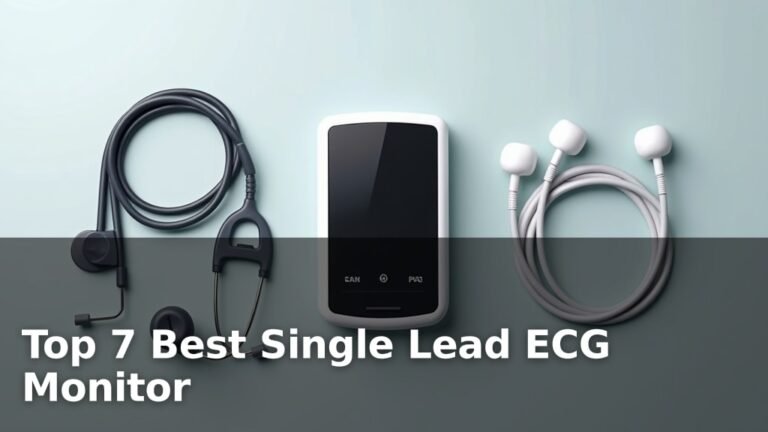
Single-lead devices work like simplified versions of hospital EKGs. You place your fingers on metal contacts or wear a chest strap for 30 seconds to several minutes.
Multi-lead devices give you more detailed readings. They use multiple contact points to create a fuller picture of your heart’s electrical activity.
For AFib detection, single-lead devices often work well. Research shows they catch AFib with 85-95% accuracy when used correctly (Journal of Medical Internet Research).
Types of Home EKG Monitors
Smartphone-Connected Devices
These gadgets pair with your phone to store and analyze readings. Popular options include credit card-sized devices you carry in your wallet.
You simply place your thumbs on the metal plates for 30 seconds. The device records your heart rhythm and sends data to an app for analysis.
Many include AI-powered algorithms that flag potential AFib episodes. Some even connect you directly with cardiologists for professional review.
Wearable EKG Monitors
Smartwatches now include medical-grade EKG sensors. Apple Watch, Samsung Galaxy Watch, and Fitbit offer FDA-cleared AFib detection features.
The advantage? Continuous monitoring without thinking about it. These devices can catch AFib episodes automatically, even while you sleep.
But they’re not perfect. False alarms happen, especially during exercise or if you have other heart rhythm issues.
Patch Monitors
These stick-on devices provide extended monitoring for days or weeks. They’re like having a hospital monitor attached to your chest 24/7.
Doctors often prescribe patch monitors when they suspect intermittent AFib. The extended monitoring catches episodes that shorter tests might miss.
Event Monitors vs Holter Monitors
Event monitors activate when you feel symptoms or on a schedule. Holter monitors record continuously for 24-48 hours.
For silent AFib, continuous monitoring makes more sense. You can’t press a button for symptoms you don’t feel.
Key Features to Look for in Home EKG Devices
Accuracy and FDA Approval
Look for FDA clearance – it’s not just a nice-to-have feature. FDA-cleared devices meet strict accuracy standards for medical use.
I found that accuracy rates vary widely among consumer devices. Some detect AFib correctly 90% of the time, others struggle with 70% accuracy (Mayo Clinic studies).
Check if the device specifically mentions AFib detection. General heart rate monitoring isn’t the same as rhythm analysis.
Data Storage and Sharing
Your EKG readings need to go somewhere useful. Look for devices that store data securely and let you share results with doctors easily.
Cloud storage protects your data if your phone breaks. Export features let you print reports for medical appointments.
Some devices integrate with electronic health records, making it easier for your care team to track patterns over time.
Battery Life and Convenience
Dead batteries defeat the purpose of home monitoring. Look for devices with week-long battery life or quick charging options.
Size matters too. A device that’s too bulky to carry won’t help when you need it most.
Consider how often you’ll realistically use the device. Daily monitoring requires different features than occasional spot checks.
How to Use Home EKG Devices Effectively
Proper Placement and Technique
Clean, dry hands make better electrical contact. Remove lotions, oils, or anything that might interfere with the sensors.
Stay still during recordings. Movement creates electrical noise that can mask AFib signals or trigger false alarms.
Follow the manufacturer’s instructions exactly. Finger placement, pressure, and recording duration all affect accuracy.
When to Take Readings
Random timing catches more episodes than scheduled readings. AFib doesn’t follow your calendar.
Take readings during different activities – resting, after meals, during stress, before bed. This creates a complete picture of your heart rhythm patterns.
If you feel any unusual sensations – dizziness, fatigue, or just “something off” – record immediately. Trust your instincts.
Creating a Monitoring Schedule
Start with twice-daily readings for the first week. Morning and evening provide good baseline data.
Add extra readings during high-risk times. Stress, alcohol consumption, and poor sleep can trigger AFib episodes.
Keep a simple log of when you take readings and how you feel. Patterns often emerge over time.
Understanding Your EKG Results
Normal vs Abnormal Rhythms
Normal heart rhythms show regular, evenly spaced beats. The electrical pattern repeats consistently with minor variations.
AFib creates an irregular, chaotic pattern. Instead of steady beats, you see rapid, random electrical activity in the upper chambers.
Many apps color-code results: green for normal, yellow for borderline, red for concerning patterns. But don’t rely on colors alone.
False Positives and Limitations
Home devices aren’t perfect. Movement, poor contact, or other heart conditions can trigger false AFib alarms.
Premature beats look similar to AFib on single-lead recordings. Stress and caffeine can create rhythm changes that confuse algorithms.
Always confirm concerning results with professional medical evaluation. Home devices screen for problems – they don’t diagnose them.
What to Do When Your Device Detects AFib
Immediate Steps
Don’t panic. AFib isn’t usually a medical emergency, even when newly discovered.
Take a second reading to confirm the result. Make sure you followed proper technique and stayed still during recording.
Note what you were doing when the episode occurred. Physical activity, stress levels, and recent meals all provide useful context.
When to Seek Medical Care
Call 911 if you have chest pain, severe shortness of breath, or feel like you might faint. These suggest more serious heart problems.
Contact your doctor within 24-48 hours for confirmed AFib readings, especially if it’s your first detection.
Bring your device and recorded data to medical appointments. Doctors can review the actual EKG tracings, not just summary reports.
Lifestyle Factors That Affect Detection
Common AFib Triggers
Alcohol tops the list of AFib triggers. Even moderate drinking can spark episodes in sensitive people.
Stress, poor sleep, and dehydration create perfect storms for rhythm problems. Caffeine affects some people more than others.
Large meals, especially high-sodium foods, can trigger episodes. Your digestive system and heart share some nerve pathways.
Tracking Triggers with Your Device
Use your EKG device to test theories about triggers. Take readings before and after drinking coffee, during stressful periods, or after poor sleep.
Keep notes about what you ate, how you slept, and your stress levels. Patterns often become clear after a few weeks of tracking.
Share this trigger data with your doctor. It helps guide treatment decisions and lifestyle recommendations.
Integrating Home Monitoring with Professional Care
Preparing for Doctor Visits
Organize your EKG data before appointments. Print summaries or prepare your device to show recordings directly.
Create a timeline of episodes. When did they start? How often do they occur? What triggers seem connected?
List all symptoms, even minor ones. Fatigue, exercise intolerance, or brain fog might relate to AFib episodes.
Questions to Ask Your Healthcare Provider
Ask about stroke risk assessment. Your CHA2DS2-VASc score helps determine if you need blood thinners.
Discuss monitoring frequency. How often should you check your rhythm? When should you contact the office?
Understand treatment options. Rate control, rhythm control, and anticoagulation each serve different purposes.
Cost Considerations and Insurance Coverage
Home EKG devices range from $50 smartphone attachments to $300 advanced monitors. Prescription patch monitors can cost $1000 or more.
Insurance coverage varies widely. Some plans cover devices when prescribed by doctors. Others consider them wellness products outside medical coverage.
Check with your insurance before purchasing expensive devices. A prior authorization might unlock coverage for prescription monitors.
| Device Type | Typical Cost | Insurance Coverage |
|---|---|---|
| Smartphone EKG | $50-150 | Rarely covered |
| Smartwatch EKG | $200-400 | Not typically covered |
| Prescription Monitor | $800-1500 | Often covered with approval |
The Future of Home Heart Monitoring
AI-powered analysis keeps improving. Future devices will catch AFib earlier and reduce false alarms through better algorithms.
Integration with telehealth platforms means faster connection to medical care when problems arise. Real-time physician review might become standard.
Continuous monitoring without wearable devices is coming. Researchers work on radar-based systems that monitor heart rhythm from across the room.
Conclusion
Silent AFib doesn’t have to stay hidden. Home EKG devices give you powerful tools to catch this sneaky condition before it causes serious problems.
The key lies in consistent monitoring with reliable devices. Choose FDA-cleared options that fit your lifestyle and budget. Use them regularly, not just when you feel symptoms.
Remember that home devices complement professional medical care – they don’t replace it. Work with your healthcare team to create a monitoring plan that makes sense for your risk level and health goals.
Your heart’s electrical activity tells a story about your health. With the right tools and knowledge, you can become fluent in reading that story and taking action when needed.
Can home EKG devices replace regular doctor visits for heart monitoring?
No, home EKG devices supplement professional care but can’t replace comprehensive cardiac evaluation. Doctors provide clinical context, interpret complex rhythms, and manage treatments that home devices cannot offer.
How accurate are smartphone EKG apps compared to medical-grade equipment?
FDA-cleared smartphone EKG devices achieve 85-95% accuracy for AFib detection, which is quite good for screening. Medical-grade equipment remains more accurate for complex rhythm analysis and detailed cardiac assessment.
What should I do if my home EKG shows different results each time?
Inconsistent results often indicate technique problems, device issues, or intermittent rhythm changes. Ensure proper finger placement, stay still during recordings, and contact your doctor if irregular patterns persist across multiple readings.
Is it safe to rely on smartwatch AFib detection for peace of mind?
Smartwatch AFib detection provides helpful screening but shouldn’t be your only monitoring method. These devices can miss episodes and produce false alarms, so use them as early warning tools alongside regular medical checkups.
How often should I take EKG readings if I’m at high risk for AFib?
High-risk individuals should typically take readings twice daily plus any time they feel unusual symptoms. Your doctor may recommend more frequent monitoring based on your specific risk factors and medical history.