Does Caffeine Affect Your EKG? How to Measure
Yes, caffeine can affect your EKG readings by increasing heart rate and potentially causing irregular heart rhythms that show up on the test.
To measure accurately, avoid caffeine for 12-24 hours before your EKG, use personal EKG devices during different caffeine states, and track patterns over time.
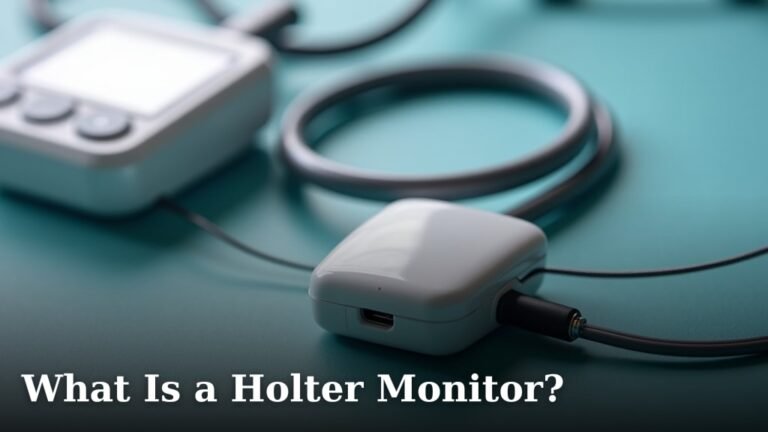
You grab your morning coffee and wonder: will this affect that heart monitor reading you’re planning to take? It’s a smart question. Your heart and caffeine have a relationship, and your EKG device picks up on their conversations.
Let me walk you through what happens when caffeine meets your heart’s electrical system. You’ll learn exactly how to measure these effects and what to watch for.
How Caffeine Changes Your Heart’s Electrical Activity
Caffeine blocks adenosine receptors in your heart. Think of adenosine as your heart’s natural “slow down” signal. When caffeine blocks it, your heart speeds up.
Your EKG device measures electrical impulses. These impulses change when caffeine enters your system. The changes happen within 15-30 minutes of drinking coffee.
What Shows Up on Your EKG Reading
You might see faster heart rates on your EKG strip. Normal resting heart rate runs 60-100 beats per minute. Caffeine can push this higher.
Some people notice premature heartbeats. These show up as extra blips on your EKG trace. They’re usually harmless but worth tracking.
Peak Effect Timing
Caffeine hits peak blood levels 30-60 minutes after drinking. Your EKG changes will be strongest during this window. The effects can last 3-5 hours.
Different Types of Caffeine Effects on Heart Rhythm
Not everyone reacts the same way. Your genetics, caffeine tolerance, and overall health play roles.
Common EKG Pattern Changes
- Faster heart rate (sinus tachycardia)
- Premature atrial contractions (PACs)
- Premature ventricular contractions (PVCs)
- Slightly irregular timing between beats
Who Sees Bigger Changes
Caffeine-sensitive people show more dramatic EKG shifts. If you rarely drink coffee, you’ll likely see bigger changes than daily coffee drinkers.
Age matters too. Research suggests older adults may show more pronounced caffeine effects on heart rhythm (Journal of the American Heart Association).
Dose-Dependent Responses
More caffeine equals bigger EKG changes, up to a point. One cup of coffee contains roughly 95mg of caffeine. Energy drinks can pack 200mg or more.
How to Measure Caffeine’s Effect on Your EKG
You need a systematic approach. Random readings won’t give you useful patterns.
Before You Start Measuring
Choose consistent conditions. Same time of day, same activity level, same stress levels when possible. Variables muddy your data.
Pick your EKG device. Personal EKG monitors like KardiaMobile or Apple Watch work fine for this tracking. Hospital-grade accuracy isn’t needed.
Step-by-Step Measurement Protocol
Day one: Take a baseline EKG reading before any caffeine. Morning works best, right after waking up.
Record your resting heart rate and rhythm quality. Note any irregular beats or patterns.
The Caffeine Challenge
Drink your usual amount of caffeine. Note the exact time and quantity consumed.
Take EKG readings at these intervals:
- 15 minutes after caffeine
- 30 minutes after
- 60 minutes after
- 3 hours after
Recording Your Results
Write down heart rate, rhythm quality, and how you feel. Screenshots help if your device allows them.
| Time Point | Heart Rate | Rhythm Notes | Symptoms |
|---|---|---|---|
| Baseline | 68 bpm | Regular | None |
| 30 min post-caffeine | 78 bpm | Few extra beats | Slight jitters |
| 60 min post-caffeine | 82 bpm | Irregular | Alert feeling |
Best Practices for Accurate EKG Measurements
Your technique affects reading quality. Poor electrode contact gives messy traces.
Device Setup Tips
Clean your hands and the device sensors. Moisture and oils interfere with electrical signals.
Sit still during recordings. Movement creates artifacts that look like heart problems but aren’t.
Environmental Considerations
Electronic devices can interfere. Turn off nearby phones, computers, or other gadgets during measurements.
Room temperature matters. Being too cold makes you shiver, which affects EKG quality.
When to Avoid Caffeine Before EKG Testing
Medical EKGs need clean baselines. Your doctor wants to see your heart without stimulants.
Stop caffeine 12-24 hours before medical tests. This includes coffee, tea, chocolate, and energy drinks.
Withdrawal Effects to Consider
Heavy coffee drinkers might get withdrawal headaches. This stress can affect heart rhythm too. Plan accordingly.
Interpreting Your Caffeine-EKG Results
Numbers tell a story, but context matters more than absolute values.
What’s Normal vs Concerning
Heart rate increases of 10-20 beats per minute are typical with caffeine. Occasional extra beats happen in healthy hearts.
Red flags include chest pain, severe dizziness, or sustained very fast rhythms over 150 beats per minute at rest.
Pattern Recognition
Look for consistency across multiple days. One weird reading doesn’t mean much. Patterns over time reveal true caffeine sensitivity.
Individual Variation Factors
Your caffeine metabolism depends on genetics. Some people break down caffeine fast, others slowly.
Medications can amplify caffeine effects. Blood pressure drugs and some antibiotics change how your body handles stimulants.
Health Conditions That Matter
Heart conditions make caffeine effects more pronounced. Atrial fibrillation, for example, can worsen with caffeine intake.
Anxiety disorders often amplify both caffeine sensitivity and heart rhythm awareness.
Using EKG Data to Guide Caffeine Intake
Your measurements should inform your choices. Data without action wastes effort.
Finding Your Personal Caffeine Threshold
Try different amounts over several days. Start low and work up until you see concerning changes.
Some people handle 400mg daily fine. Others feel effects at 100mg. Your EKG helps find your sweet spot.
Timing Optimization
Morning caffeine affects you differently than afternoon intake. Your cortisol levels change throughout the day.
Avoid caffeine within 6 hours of bedtime. Poor sleep affects next-day heart rhythm variability.
Common Mistakes in Caffeine-EKG Monitoring
I’ve seen people make these errors repeatedly. Avoid them to get useful data.
Measurement Errors
Taking readings at random times creates useless information. Stick to your protocol.
Forgetting to note other stimulants skews results. Energy drinks, pre-workout supplements, and some medications contain caffeine.
Interpretation Mistakes
One abnormal reading doesn’t indicate a problem. Your heart has natural rhythm variations throughout the day.
Comparing your readings to online “normal” values misses the point. You’re looking for your personal patterns.
When to Consult Healthcare Providers
Self-monitoring has limits. Some findings need professional evaluation.
Concerning Patterns
Sustained fast rhythms over 150 beats per minute warrant medical attention. So do very slow rates under 50 beats per minute.
New symptoms with caffeine suggest changing sensitivity. Chest pain, shortness of breath, or dizziness need evaluation.
Documentation for Your Doctor
Bring your EKG data to appointments. Screenshots or printed strips help doctors understand your concerns.
Include timing, amounts, and symptoms in your records. This context helps medical interpretation.
Conclusion
Caffeine does affect your EKG, and measuring these effects gives you valuable insights into your heart’s response to stimulants. By following a systematic approach to monitoring, you can find your personal caffeine threshold and make informed decisions about your intake.
Remember that small changes are normal, while dramatic shifts or concerning symptoms deserve medical attention. Your EKG device becomes a powerful tool for understanding how your unique physiology responds to one of the world’s most popular stimulants.
Start with simple baseline measurements, track your patterns consistently, and use the data to optimize your caffeine intake for both enjoyment and heart health.
Can I drink decaf coffee before an EKG test?
Yes, decaf coffee contains only 2-5mg of caffeine compared to regular coffee’s 95mg, making it unlikely to significantly affect your EKG readings.
How long does it take for caffeine to completely clear from my system?
Caffeine’s half-life is 3-5 hours, but complete elimination takes 12-24 hours depending on your metabolism, age, and liver function.
Can energy drinks cause more dramatic EKG changes than coffee?
Yes, energy drinks often contain 200-400mg of caffeine plus other stimulants like taurine and guarana, potentially causing more pronounced heart rhythm changes.
Should I be worried if my heart rate increases by 30 beats per minute after coffee?
A 30 bpm increase is higher than typical but may be normal for caffeine-sensitive individuals; consult a healthcare provider if this occurs regularly or causes symptoms.
Do tea and chocolate affect EKG readings the same way as coffee?
Tea contains 25-50mg caffeine and chocolate has 5-25mg, so they can affect EKGs but usually produce milder changes than coffee due to lower caffeine content.